Disc Repair Versus Fusion: Which Path Fits?

Disc Repair Versus Fusion: Which Path Fits?

A lumbar disc problem can turn ordinary life into negotiation: whether you can sit through dinner, lift a grandchild, finish a workday, or walk without guarding every step. In the conversation around disc repair versus fusion, the central question is not simply which procedure is newer or less invasive. It is which approach best matches the source of pain, the stability of the spine, the condition of nearby joints, and the life you want to return to.

Fusion has a long and established role in spine surgery. Disc repair is a broader term that can describe motion-preserving surgery, biologic treatments intended to support disc health, or non-surgical care designed to reduce inflammation and improve function. Those differences matter. A meaningful decision starts with a precise diagnosis, not a one-size-fits-all promise.

What a Damaged Disc Can and Cannot Explain

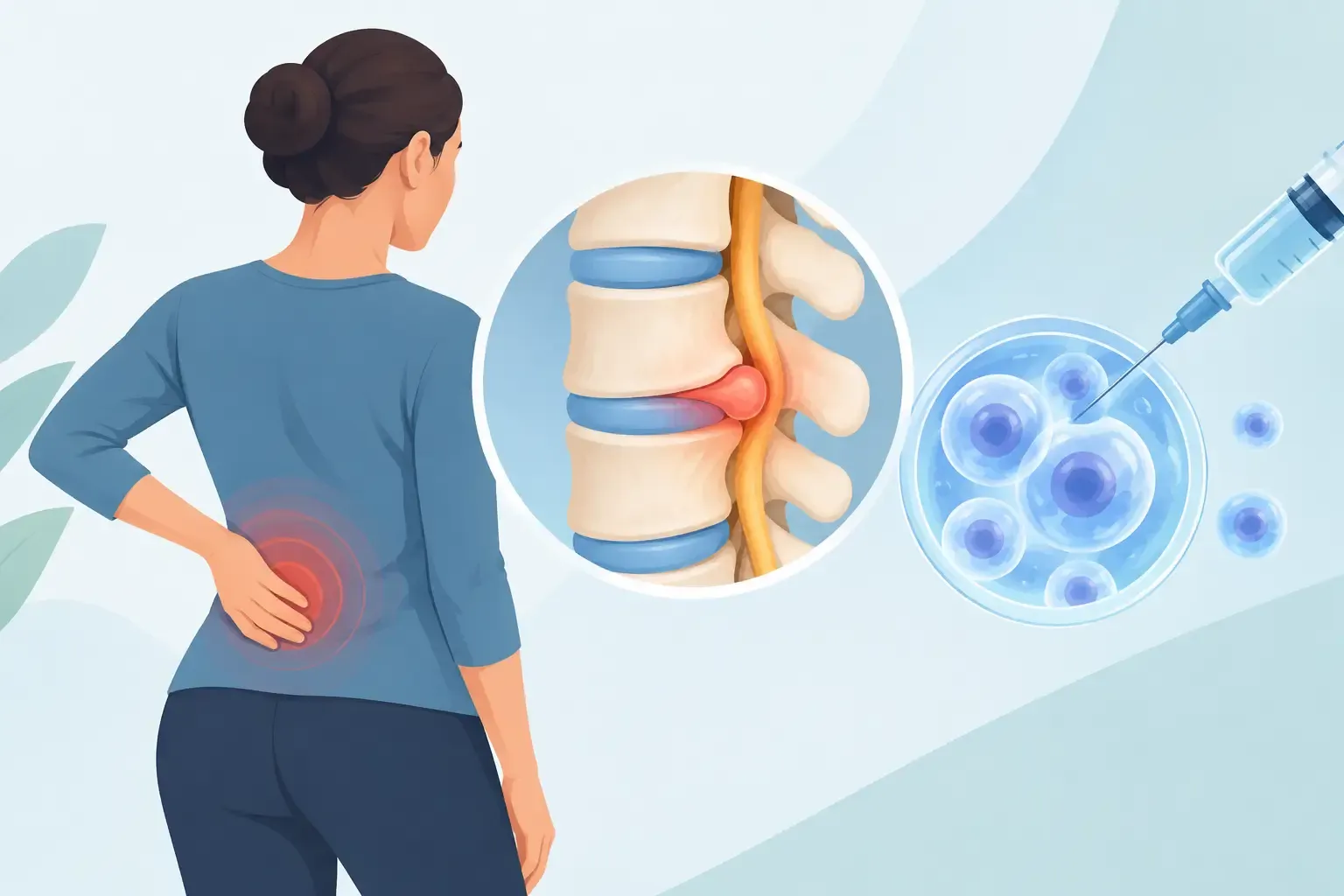
Spinal discs are the flexible cushions between vertebrae. Their outer layer, the annulus, surrounds a gel-like center that helps absorb force and distribute load. With age, injury, repetitive strain, genetics, smoking, or reduced tissue hydration, a disc can lose height and resilience. A bulge or herniation may irritate a nerve root, producing sciatica, numbness, tingling, or weakness.

But an MRI showing disc degeneration does not automatically prove the disc is causing symptoms. Many adults have age-related disc changes without disabling pain. Facet joints, spinal stenosis, hip dysfunction, muscle deconditioning, inflammatory conditions, and nerve sensitivity can all contribute to a similar symptom pattern.

That is why a high-quality spine evaluation considers more than imaging. A clinician should connect your symptoms, neurologic exam, movement limitations, medical history, and imaging findings before recommending a treatment direction.

Disc Repair Versus Fusion: The Core Difference

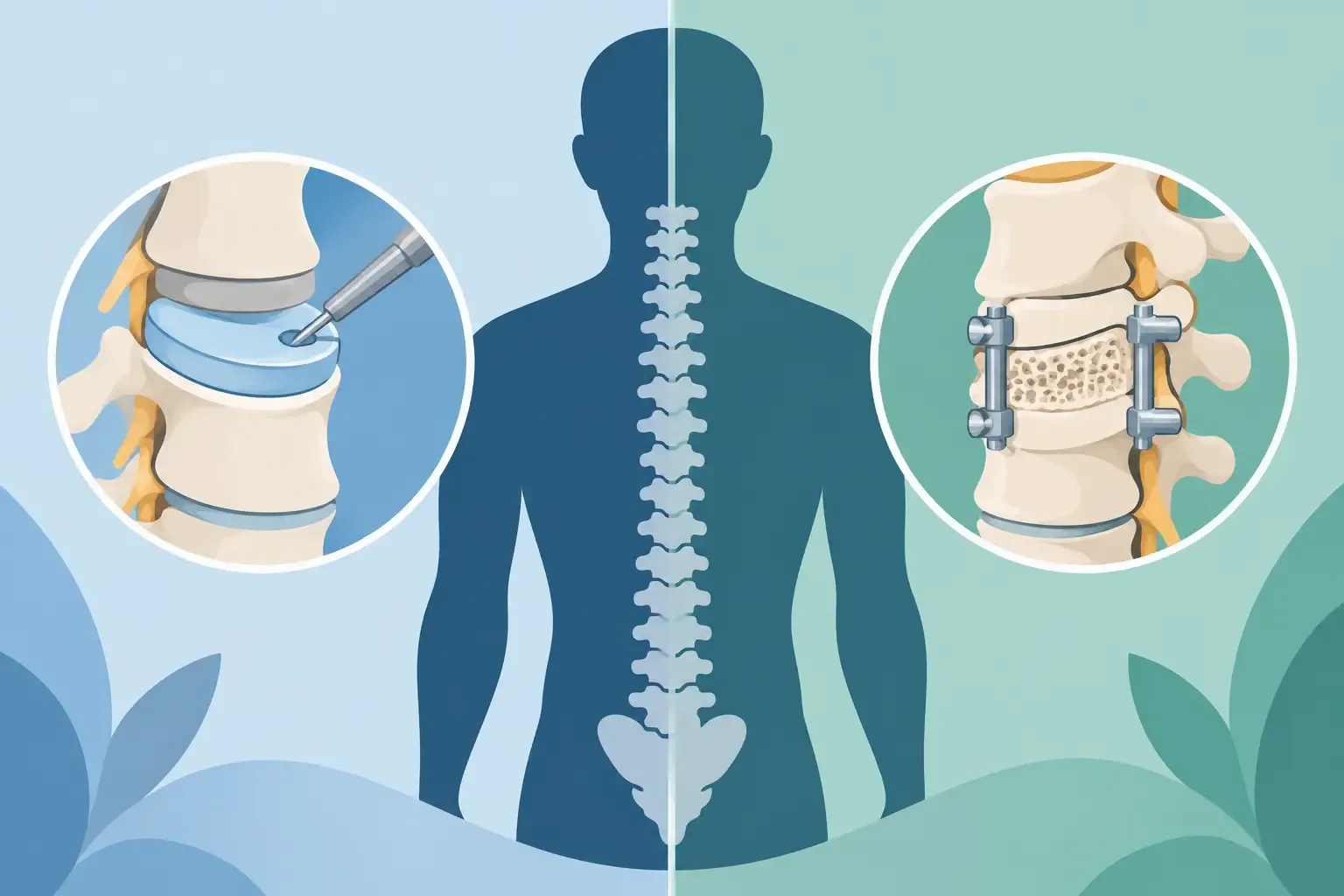
Spinal fusion intentionally joins two or more vertebrae so they no longer move independently. A surgeon may remove the damaged disc, place a spacer or bone graft material in the disc space, and secure the segment with hardware. The goal is stability. By reducing motion at a painful or unstable level, fusion can relieve mechanical pain, correct deformity, protect nerves, and support spinal alignment.

Disc repair aims to preserve or improve the natural disc environment rather than eliminate motion at that spinal level. Depending on the diagnosis, this may involve conservative rehabilitation, targeted injections, investigational biologic approaches, surgical repair techniques in select cases, or artificial disc replacement. These are not interchangeable treatments, and not every approach is appropriate for every disc problem.

Artificial disc replacement is often confused with disc repair. It is a surgical procedure that removes the diseased disc and replaces it with a motion-preserving implant. It may be considered for carefully selected patients, most commonly in the cervical spine and in certain lumbar cases. It is not the same as regenerating a native disc.

When Fusion May Be the Stronger Option

Fusion can be a highly appropriate and life-changing treatment when the spine needs structural stabilization. It is often considered when there is significant instability, such as spondylolisthesis; severe disc collapse; deformity; recurrent disc herniation with loss of stability; fracture; infection; tumor; or nerve compression that requires extensive removal of stabilizing tissue.

For some patients, the trade-off is clear: less motion at one segment may be worth the chance to reduce severe pain, prevent neurologic decline, or restore the ability to stand and walk. Modern fusion techniques have improved, but fusion remains major surgery. Recovery can involve activity restrictions, physical therapy, and months of bone healing.

There are also risks to discuss openly. These include infection, blood clots, hardware complications, incomplete fusion, persistent pain, and the possibility that added stress on nearby spinal levels may contribute to future degeneration. A fusion should never be framed as a guaranteed cure, especially when pain has multiple drivers.

When a Motion-Preserving or Regenerative Strategy May Be Considered

Patients with early-to-moderate degeneration, preserved spinal alignment, no major instability, and symptoms that have not responded to standard conservative care may be candidates for a motion-preserving discussion. The exact options depend on whether the primary issue is a contained disc injury, nerve compression, inflammatory pain, mechanical instability, or widespread degeneration.

Non-surgical care often remains the starting point. A disciplined program may include physical therapy, core and hip strengthening, movement retraining, weight management when appropriate, anti-inflammatory strategies, and carefully selected pain procedures. These approaches do not rebuild a severely collapsed disc, but they can reduce stress on the spine and improve daily function.

Biologic medicine is an area of strong patient interest because it focuses on inflammation, signaling, tissue support, and the body’s capacity for cellular repair. Mesenchymal stem cells and other orthobiologic therapies are being studied for their potential role in modulating inflammation and supporting a healthier healing environment. Early research is promising in some settings, but results are variable, and biologic treatment is not a substitute for surgery when a patient has progressive weakness, bowel or bladder symptoms, severe instability, or urgent nerve compression.

In the United States, patients should also understand the regulatory landscape. Many stem cell-based interventions for disc disease are not FDA-approved specifically to regenerate spinal discs. A responsible clinic will explain what is known, what remains under investigation, expected goals, potential risks, and whether a treatment is being offered within an appropriate medical and regulatory framework.

The Questions That Shape the Right Decision

The best choice is rarely made from an MRI report alone. Ask whether the affected segment is stable, whether symptoms are primarily nerve-related or mechanical, and whether conservative treatment has been thorough enough to judge. If surgery is recommended, ask what problem the operation is designed to solve and what symptoms may remain afterward.

It also helps to discuss the condition of adjacent levels. A single painful disc in an otherwise healthy spine is a very different situation from multi-level degeneration, osteoporosis, scoliosis, advanced facet arthritis, or a history of prior spine surgery. These variables can affect whether motion preservation is realistic and whether fusion is likely to deliver a durable result.

Your personal goals matter as well. Someone hoping to return to golf, travel, strength training, or active time with grandchildren may prioritize mobility and conditioning. Someone with progressive neurologic deficits may reasonably prioritize stabilization and nerve protection. Neither priority is wrong. The decision should reflect both the biology of the spine and the demands of the person living in it.

Building a Personalized Spine Plan

A modern spine plan does not have to begin and end with “live with it” or “schedule surgery.” For many people, there is valuable space between those extremes for diagnostic clarity, targeted rehabilitation, inflammation management, metabolic support, and carefully supervised regenerative strategies.

At BIOREGENIX, individualized care plans can incorporate advanced cellular therapies alongside supportive modalities such as IV therapy, hyperbaric oxygen, red light therapy, pulsed electromagnetic field therapy, and hormone optimization when clinically appropriate. These therapies are designed to support systemic health factors such as tissue oxygenation, inflammation balance, energy production, and recovery capacity. They should complement, not replace, surgical evaluation when structural spinal disease requires it.

The strongest care teams coordinate rather than compete. A spine surgeon, pain specialist, physical therapist, and regenerative medicine clinician may each bring a different but useful perspective. Seeking a second opinion is particularly reasonable before an irreversible procedure, and it is equally wise to obtain surgical input before pursuing a non-surgical program for serious spine symptoms.

Red Flags That Need Prompt Medical Attention

No discussion of disc treatment is complete without recognizing urgent warning signs. New or worsening leg weakness, loss of bowel or bladder control, numbness in the groin or saddle region, fever with severe back pain, unexplained weight loss, pain after significant trauma, or a history of cancer with new severe spine pain requires prompt medical assessment. These symptoms may point to conditions that should not be managed through routine conservative or regenerative care alone.

The most empowering next step is not choosing a camp in the disc repair versus fusion debate. It is getting clear on what your spine needs now, what can be protected, and what path gives you the best chance to move through life with greater confidence and less pain.
Orthobiologics Versus Replacement for Joint Pain

Orthobiologics Versus Replacement for Joint Pain

A knee that swells after a grocery run, a shoulder that wakes you at night, or a hip that makes stairs feel calculated can bring patients to the same crossroads: orthobiologics versus replacement. The right path is not simply the newest treatment versus the traditional one. It is a clinical decision shaped by your diagnosis, imaging, function, health history, goals, and the amount of healthy joint structure that remains.

For some people, joint replacement can be life-changing. For others, a personalized regenerative strategy may help reduce inflammation, support tissue health, improve mobility, and potentially delay or avoid surgery. The value is in knowing which conversation your joint actually calls for.

Orthobiologics Versus Replacement: The Core Difference

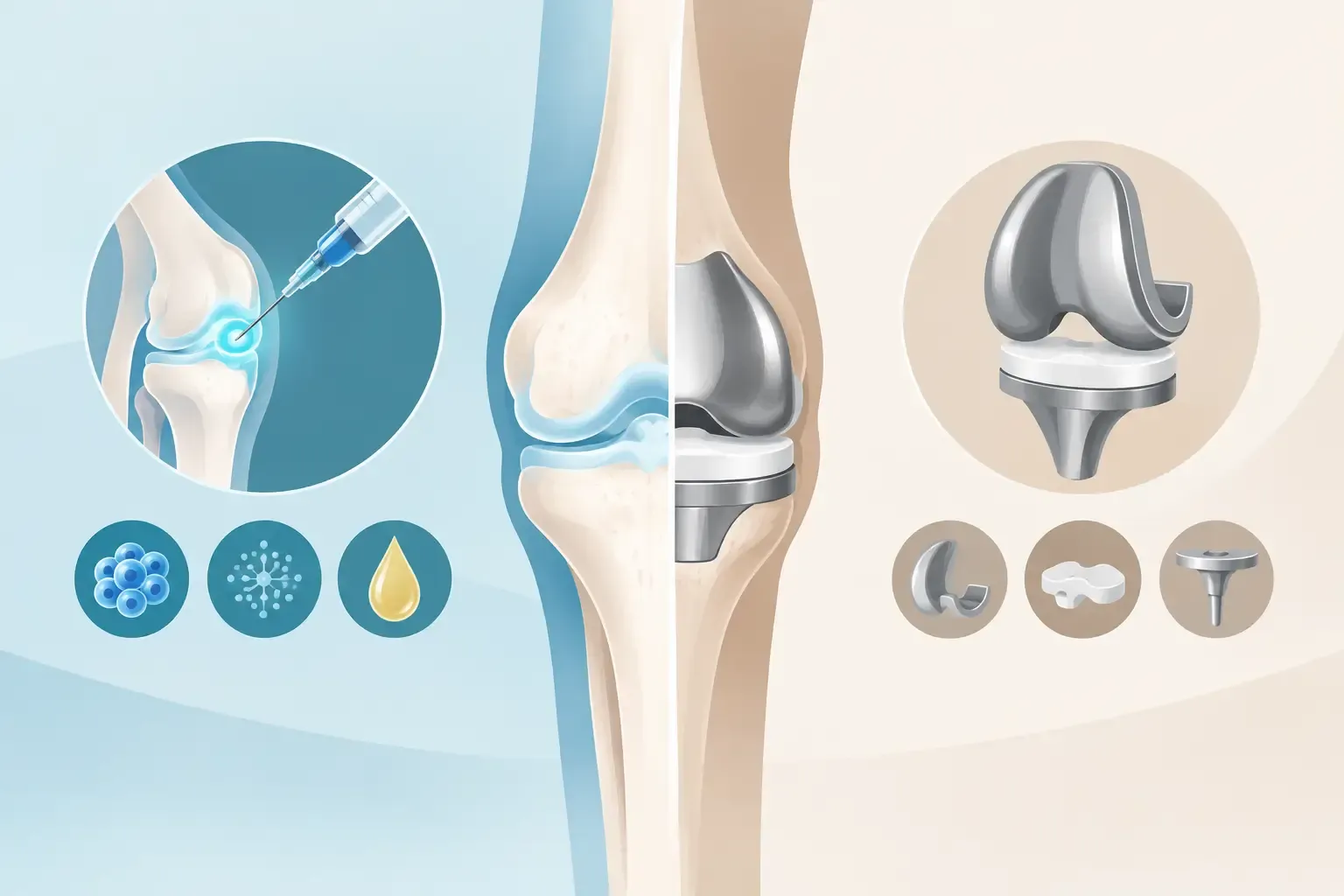
Joint replacement is a structural solution. In a knee, hip, or shoulder replacement, a surgeon removes damaged portions of the joint and replaces them with prosthetic components. It is designed for cases where pain and mechanical dysfunction are driven by advanced joint degeneration, deformity, bone-on-bone contact, or damage that can no longer be meaningfully managed with conservative care.

Orthobiologics are biologically derived treatments intended to influence the healing environment in a painful or injured area. Depending on the care plan, this category can include platelet-rich plasma, bone marrow-derived products, and cell-based therapies. These approaches aim to address inflammation, signaling, circulation, and the body’s repair response rather than replacing the joint itself.

That distinction matters. A biologic treatment cannot rebuild a severely collapsed joint into a brand-new joint, and a replacement does not restore the original biology of cartilage, tendons, ligaments, muscles, or systemic inflammation. Each option has a role, and neither should be sold as a universal answer.

When Replacement May Be the More Rational Choice

Replacement becomes more compelling when a joint has reached advanced structural failure. Persistent pain at rest, major loss of range of motion, progressive deformity, instability, and an inability to perform essential daily activities can all signal that surgery deserves serious consideration. X-rays and MRI findings matter, but they are only part of the picture. Some patients have dramatic imaging changes with manageable symptoms, while others have less striking scans and substantial disability.

A well-indicated replacement can provide reliable pain relief and a return to walking, sleeping, traveling, and participating in family life. It also has decades of surgical data behind it for appropriately selected patients. For someone whose quality of life has narrowed despite physical therapy, medication, injections, weight management, and activity modification, postponing surgery indefinitely may not be the best strategy.

Replacement also involves real trade-offs. Recovery requires commitment to rehabilitation, temporary limits on independence, and management of postoperative pain and swelling. Risks include infection, blood clots, stiffness, nerve or blood vessel injury, persistent pain, and, over time, wear or loosening of the implant. An artificial joint has a useful lifespan, which is especially relevant for younger, highly active patients who may need revision surgery later.

Where Orthobiologics Can Fit in a Joint-Care Plan

Orthobiologic care is often considered when a patient wants to preserve joint tissue, has mild to moderate degeneration, or is dealing with a tendon, ligament, muscle, or cartilage-related injury that has not fully responded to conventional treatment. It can also be an option for people who are not ready for surgery, cannot undergo surgery safely, or want to improve the biological conditions around a joint before making a surgical decision.

The goal is not to promise a shortcut. The goal is to create a more favorable environment for recovery. A carefully designed plan may seek to calm inflammatory signaling, support cellular communication, improve tissue oxygenation, and help a patient reengage in the movement that maintains strength and joint stability.

At BIOREGENIX, regenerative care is approached as more than a single injection or procedure. Personalized programs may integrate advanced cellular therapies with targeted IV support, hyperbaric oxygen therapy, red light therapy, pulsed electromagnetic field therapy, hormone optimization, and other modalities when clinically appropriate. The purpose of this coordinated approach is to support healing capacity at multiple levels, from inflammation and ATP production to circulation and recovery behavior.

Cell-based treatment deserves a clear-eyed discussion. In the United States, many regenerative and stem cell interventions marketed for orthopedic conditions have not been approved by the FDA, and evidence quality varies substantially by product, preparation method, diagnosis, and study design. Umbilical cord-derived mesenchymal stem cell therapies are an active area of research, but they should not be presented as a guaranteed cartilage-regrowth treatment or a replacement for surgery in every case. Patients should ask how a product is sourced, screened, processed, stored, administered, and monitored, as well as what evidence supports its proposed use.

Your Diagnosis Matters More Than the Label

“Arthritis” is not one diagnosis, and “joint pain” is not one problem. Pain may originate in cartilage wear, a meniscal tear, tendon degeneration, labral damage, spinal nerve irritation, autoimmune inflammation, muscle weakness, or a combination of factors. A patient with early knee osteoarthritis and a stable joint has different options than a patient with severe varus deformity, recurrent effusions, and bone-on-bone disease.

The same principle applies to hips and shoulders. A shoulder with tendon pathology may respond very differently than one with advanced glenohumeral arthritis. A hip pain complaint may be caused by joint degeneration, but it can also be referred from the lumbar spine. High-quality decision-making begins with an accurate diagnosis, appropriate imaging when needed, and an examination that connects scan findings to real-life function.

Questions That Clarify the Best Next Step

Before choosing orthobiologics or replacement, ask the specialist evaluating you what is causing the pain and whether the joint is structurally salvageable. Ask what outcome is realistic for your condition: less pain, improved walking tolerance, better range of motion, delayed surgery, or restoration of a specific activity.

You should also ask how the proposed treatment will be measured. Meaningful care has a follow-up plan. That may include changes in pain, sleep, strength, range of motion, medication use, walking distance, exercise tolerance, or validated function scores. If a treatment is expensive, elective, or not covered by insurance, the clinician should be direct about that as well.

For orthobiologic programs, ask whether the treatment is being recommended as part of a broader rehabilitation strategy. Biology works best when it is paired with the basics that many painful joints still need: intelligent loading, strength training, mobility work, sleep, nutrition, and management of metabolic or inflammatory drivers. For replacement, ask about the expected recovery timeline, implant longevity, rehabilitation requirements, complication rates, and what support you will need at home.

A Better Decision Is Often a Staged One

The choice does not always have to be final on day one. A patient with moderate degeneration may pursue a supervised regenerative and rehabilitation plan for a defined period, then reassess function and symptoms. If pain remains limiting and imaging confirms end-stage disease, replacement may still be available. Conversely, a patient told they need surgery may benefit from a second opinion if the diagnosis is unclear or conservative options have not been fully explored.

The most patient-centered approach resists two extremes: assuming every painful joint needs replacement and assuming every painful joint can be regenerated. Modern medicine is most useful when it matches the intervention to the biology, mechanics, and life goals of the person in front of it.

If you are weighing a procedure against a biologic approach, bring your imaging, prior treatment history, and the activities you want back to a qualified specialist. The most valuable next step is not choosing the most aggressive option. It is choosing a plan that gives your body, your joint, and your future mobility the most honest opportunity to improve.

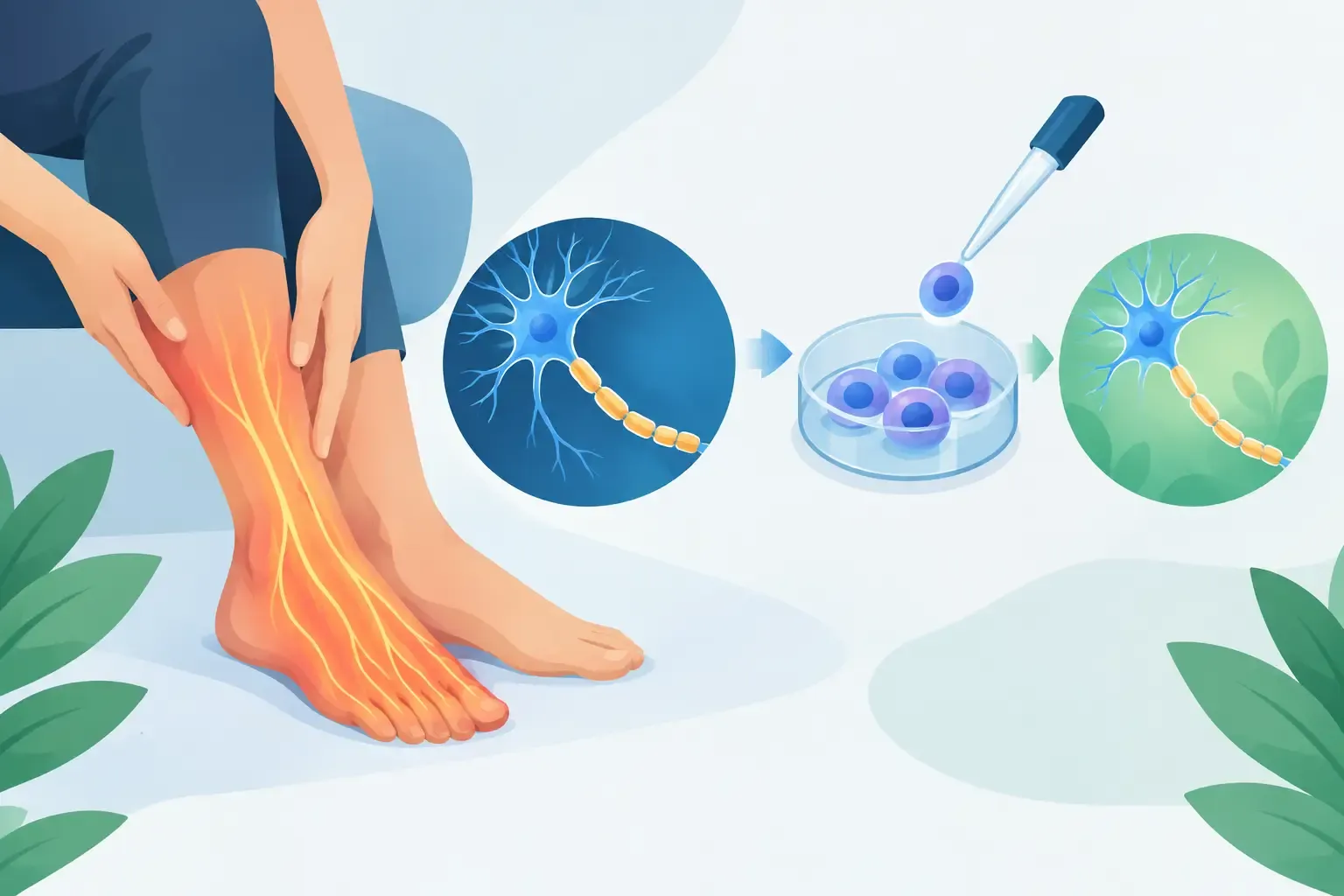
Does Stem Cell Therapy for Neuropathy Work?

Does Stem Cell Therapy for Neuropathy Work?

Burning feet at night, a loss of balance on uneven ground, or numb fingers that make buttons difficult to manage can change far more than comfort. Neuropathy can limit sleep, movement, exercise, work, and the confidence to stay active. For people whose symptoms persist despite conventional care, stem cell therapy for neuropathy has become an area of serious interest – and one that deserves a clear-eyed discussion.

Neuropathy is not one single disease. It is a pattern of nerve damage with many possible causes, including diabetes, chemotherapy, autoimmune activity, spinal compression, vitamin deficiencies, alcohol use, infections, and certain medications. A meaningful regenerative plan begins by identifying what is driving the nerve injury, not simply trying to quiet the symptoms.

What Peripheral Neuropathy Does to the Body

Peripheral nerves carry messages between the brain, spinal cord, skin, muscles, and internal organs. When those nerves are irritated, compressed, undernourished, or damaged, the messages can become distorted or fail to travel efficiently. Symptoms may include tingling, burning pain, electric sensations, weakness, cramping, temperature sensitivity, numbness, or changes in coordination.

The location and pattern matter. Symptoms that begin in both feet and move upward may point to a systemic process such as diabetes or a nutritional deficiency. Pain that follows one leg from the low back may involve a spine or disc condition. Sudden weakness, rapidly progressing numbness, or bowel and bladder changes require prompt conventional medical evaluation.

Many standard neuropathy treatments focus on symptom management. Medications may reduce nerve pain for some patients, while physical therapy, blood-sugar control, nutritional correction, decompression procedures, and lifestyle changes can address contributing factors. These approaches remain valuable. Yet some people continue to experience symptoms or cannot tolerate the side effects of long-term medication, which is why regenerative medicine is being studied as a complementary path.

How Stem Cell Therapy for Neuropathy May Help

Mesenchymal stem cells, often called MSCs, are being investigated for their signaling properties rather than as a simple replacement part for injured nerves. MSCs can release bioactive factors that may influence inflammation, immune activity, blood-vessel support, and the local environment around damaged tissue. Researchers are studying whether these signals can help create conditions more favorable for nerve repair.

That distinction matters. A responsible clinician should not promise that cells will regrow every damaged nerve or erase years of neuropathy. Nerves heal slowly, and the potential response depends on the cause, severity, duration, circulation, metabolic health, and the patient’s ability to reduce ongoing nerve stress.

For a patient with diabetes-related neuropathy, improved metabolic management may be central to any progress. For someone with pain driven by spinal narrowing or disc disease, addressing mechanical compression may be equally important. When neuropathy is connected to autoimmune disease or chemotherapy, the treatment plan must account for the underlying condition and the patient’s broader medical history.

In a regenerative setting, expanded umbilical cord-derived MSCs may be considered because they are valued for their paracrine signaling potential and their ability to communicate with injured tissues. At BIOREGENIX, ethically sourced MSCs are cultivated using a low-oxygen process intended to support cellular performance before individualized clinical use. The clinical question is never just whether to use cells. It is whether the entire protocol fits the patient’s diagnosis, risk profile, and treatment goals.

What the Research Suggests – and What It Does Not Yet Prove

Preclinical research and early clinical investigations have produced encouraging findings around MSCs and nerve injury. Studies have explored reductions in inflammatory signaling, support for microcirculation, and improvements in measures related to nerve function and neuropathic pain. This body of research provides a rationale for continued investigation, particularly for difficult conditions such as diabetic peripheral neuropathy.

However, the evidence is still developing. Studies vary widely in cell source, dose, delivery method, patient population, follow-up time, and the way outcomes are measured. A result from a small trial cannot automatically predict an individual patient’s outcome. High-quality, larger controlled trials are still needed to establish where cellular therapy provides the most reliable benefit and which protocols are best.

Patients should also understand the regulatory landscape. In the United States, stem cell products marketed for neurologic conditions require careful scrutiny. Patients deserve direct answers about product sourcing, processing, quality testing, physician oversight, informed consent, potential risks, and whether a proposed therapy has FDA approval for their specific condition. No reputable clinic should use urgency, vague claims, or guarantees to pressure a decision.

Why a Multi-Therapy Plan Can Matter

Nerves do not recover in isolation. They depend on circulation, oxygen delivery, metabolic stability, movement, sleep, nutrient status, and a manageable inflammatory burden. This is why a cellular treatment, when clinically appropriate, may be paired with supportive modalities rather than treated as a stand-alone event.

Hyperbaric oxygen may support tissue oxygenation in selected patients. IV therapy can be customized around hydration and nutritional needs. Red light therapy and pulsed electromagnetic field therapy are often used with the goal of supporting circulation, cellular energy production, and recovery. Hormone evaluation, epigenetic testing, and targeted lifestyle guidance can help identify additional factors that may be affecting energy, inflammation, or resilience.

These therapies are not interchangeable, and more treatment is not always better. A patient with uncontrolled blood sugar may need metabolic stabilization before an advanced regenerative protocol. Someone taking immune-modulating medications requires careful coordination with their treating specialists. The strongest plans are disciplined and individualized, not one-size-fits-all packages.

What a Thoughtful Evaluation Should Include

Before considering regenerative care, a patient should receive a careful review of the neuropathy itself. That may include prior laboratory work, imaging, nerve conduction studies or electromyography, medication history, diabetes markers, vascular health, autoimmune history, nutritional status, and relevant cancer or chemotherapy history.

A thorough consultation should clarify practical goals as well. Is the priority sleeping through the night with less burning pain? Walking farther without instability? Returning to golf, strength training, travel, or playing on the floor with grandchildren? Clear functional goals make it easier to evaluate progress over time.

Patients should expect a discussion of possible benefits, alternatives, limitations, adverse effects, cost, and follow-up. They should also ask how the clinic measures response. Symptom scores, balance, walking tolerance, strength, sensation, and nerve testing can all provide useful information when interpreted in context.

Who May Be a Candidate?

Potential candidates are often adults with persistent peripheral neuropathy who have been evaluated for reversible causes and have not achieved acceptable relief with conventional treatment alone. People managing diabetes-related nerve symptoms, chronic inflammatory conditions, post-injury nerve dysfunction, or neuropathy occurring alongside orthopedic and spine concerns may seek an advanced consultation.

Candidacy depends on more than symptom severity. Active infection, untreated cancer concerns, unstable medical conditions, poor circulation, or an unclear diagnosis may change the timing or suitability of treatment. A regenerative specialist should coordinate with a patient’s primary care physician, neurologist, endocrinologist, pain specialist, or oncologist when appropriate.

The goal is not to replace conventional medicine. It is to build a wider strategy for patients who want to address neural health at the cellular level while continuing the medical care that protects them.

Setting Realistic Expectations for Recovery

Neuropathic symptoms can fluctuate, and nerve recovery often moves slowly. Some patients notice changes in comfort, sleep, stamina, or sensation over weeks to months. Others may need more time, see only partial improvement, or find that treatment does not produce a meaningful response. An honest plan accounts for all three possibilities.

The most constructive next step is a detailed assessment that connects the cause of neuropathy to a personalized care strategy. When advanced cellular therapy is considered with rigorous screening, quality controls, and supportive therapies, patients can make a more informed decision about whether it belongs in their path toward steadier movement, greater independence, and a more active life.

Stem Cell Therapy for Autoimmune Disease

Stem Cell Therapy for Autoimmune Disease

Autoimmune symptoms can make ordinary life feel unpredictable. One week, you may have the energy to work, exercise, and spend time with family. The next, inflammation, fatigue, pain, brain fog, or digestive symptoms can narrow your world. Stem cell therapy for autoimmune disease is drawing attention because it aims to address a central driver of these conditions: an immune system that has lost the ability to regulate itself appropriately.

For the right candidate, regenerative medicine may become part of a broader strategy to support immune balance, reduce inflammatory burden, and protect quality of life. It is not a one-size-fits-all cure, and it should not replace thoughtful medical management. It is, however, a developing area of modern medicine that deserves a clear-eyed look.

Why autoimmune disease is so difficult to treat

In autoimmune disease, the immune system mistakenly targets healthy tissues. The exact target differs by diagnosis. It may be the joints in rheumatoid arthritis, the intestinal lining in inflammatory bowel disease, the nervous system in multiple sclerosis, the skin in psoriasis, or the thyroid in Hashimoto’s disease.

Conventional care often focuses on lowering immune activity, controlling inflammation, and preventing damage. These treatments can be essential, especially when disease activity is severe. Yet many patients still live with symptoms between flares, medication side effects, reduced mobility, or the feeling that their care plan manages a crisis without fully addressing the environment that allows chronic inflammation to persist.

That gap is where regenerative medicine enters the conversation. The goal is not simply to suppress the immune system. It is to explore whether cellular signaling, tissue support, and personalized metabolic care can help the body move toward a more regulated state.

How stem cell therapy for autoimmune disease may work

Mesenchymal stem cells, often called MSCs, are valued less for becoming replacement tissue and more for the signals they send. MSCs communicate with immune cells through paracrine signaling, releasing biologically active factors that may influence inflammation, immune-cell behavior, blood-vessel support, and tissue repair.

In autoimmune conditions, this immunomodulatory potential is particularly relevant. Research suggests MSCs may help influence the activity of T cells, B cells, macrophages, and other immune messengers involved in inflammatory responses. They may also support regulatory pathways that help the immune system distinguish between a true threat and the body’s own tissues.

The word may matters. Autoimmune disease is complex, and response can depend on the diagnosis, disease stage, current medications, organ involvement, overall health, and the quality and type of cellular product used. Stem cell therapy should be approached as individualized regenerative care, not as a guaranteed outcome.

Why source and processing matter

Not all stem cell products are equivalent. For patients considering MSC therapy, cell sourcing, screening, manufacturing standards, viability, and clinical oversight are meaningful quality questions.

Expanded umbilical cord-derived MSCs are commonly discussed because they are obtained from ethically donated birth tissue after healthy deliveries, rather than from embryonic tissue. In a carefully controlled setting, these cells can be cultured to expand available cell numbers. Low-oxygen cultivation is designed to more closely reflect the cells’ natural biological environment and may help preserve cellular characteristics relevant to regenerative signaling.

A responsible program should be transparent about donor screening, sterility testing, identity testing, cell handling, and the physician’s rationale for the proposed protocol. Advanced therapy is only as credible as the standards behind it.

What a personalized treatment plan can include

Autoimmune conditions rarely affect only one system. Chronic inflammation can disrupt sleep, reduce physical activity, affect mood, strain the gut, impair recovery, and accelerate muscle loss or joint decline. That is why a cellular treatment plan may be paired with therapies that support the body’s healing environment.

At BIOREGENIX, individualized plans may combine MSC therapy with complementary modalities chosen around a patient’s symptoms, history, and clinical goals. IV therapy can support hydration and nutrient status. Hyperbaric oxygen therapy may increase tissue oxygenation, while red light therapy and pulsed electromagnetic field therapy may be used to support cellular energy, circulation, pain management, and recovery.

The purpose is not to pile on treatments. It is to coordinate the right tools around the patient. If inflammation has limited your movement, a plan may emphasize pain reduction, tissue support, and progressive mobility. If fatigue and poor recovery are the larger concerns, the focus may shift toward ATP production, oxygenation, nutritional status, hormone balance, sleep, and nervous-system support.

Who may be a candidate?

A strong candidate evaluation begins with more than a diagnosis. A clinician should review your current symptoms, medical history, medications, imaging or laboratory work when available, prior treatment response, disease activity, and the specific outcomes you hope to regain.

Some patients seek help because standard options have not provided enough relief. Others want to preserve joint function, remain active with children or grandchildren, manage persistent fatigue, or explore a less invasive option before degenerative changes become more limiting. These goals are reasonable, but they must be matched to a realistic clinical discussion.

People with active infection, uncontrolled medical conditions, certain cancer histories, pregnancy, or complex organ involvement may require additional evaluation or may not be appropriate candidates. Patients should also disclose all immunosuppressive medications and biologics. Changes to prescribed autoimmune treatment should only be made in coordination with the physician managing that condition.

Questions to ask before moving forward

Cell therapy deserves the same thoughtful scrutiny you would apply to any significant medical decision. Ask what type of cells are being used, where they are sourced, how they are tested, and why the clinician believes the proposed route and dose fit your needs. Ask what outcomes are realistic for your diagnosis and how progress will be tracked over time.

You should also ask about risks. While MSC therapy is often described as well tolerated in clinical settings, no procedure is risk-free. Depending on the delivery approach, risks can include temporary soreness, headache, fatigue, fever, bruising, infection, allergic reaction, or complications related to IV or injection procedures. The safety profile also depends on the product, processing methods, patient health, and quality of follow-up care.

In the United States, many stem cell uses for autoimmune disease remain investigational and are not FDA-approved as standard treatments. Patients should be cautious of any clinic promising a cure, encouraging them to abandon necessary specialist care, or offering vague answers about product testing and safety procedures.

Setting expectations for healing

Regenerative care is rarely an overnight event. Some patients notice early changes in energy, stiffness, sleep, or comfort. Others require more time for inflammatory patterns, mobility, and tissue recovery to shift. For chronic autoimmune conditions, meaningful progress may look like fewer disruptive days, more consistent movement, improved resilience, or the ability to return to activities that once felt out of reach.

Your daily choices still matter. Anti-inflammatory nutrition, appropriate movement, stress management, restorative sleep, medication adherence, and regular follow-up create the foundation on which any advanced treatment must work. Cellular therapy can be a powerful component of care, but it cannot compensate for a plan that ignores the rest of the body.

The most productive next step is a careful conversation with qualified medical professionals who can assess your history, explain the evidence and limitations, and build a plan around your life rather than your diagnosis alone. When autoimmune symptoms have taken too much from your routine, pursuing informed, individualized options can be a meaningful way to take back more of your movement, independence, and time with the people you love.

Regenerative Treatment for Sports Injuries

Regenerative Treatment for Sports Injuries

A torn tendon, unstable knee, or shoulder that still catches months after physical therapy can change far more than a training schedule. It can make stairs feel calculated, keep you from playing with your children, and create the frustrating sense that your body has stopped responding. Regenerative treatment for sports injuries is gaining attention because it focuses on the biology behind recovery, not simply the pain signal.

For active adults, former athletes, and anyone who wants to preserve movement as they age, the right question is not whether a treatment sounds advanced. It is whether it fits the injury, the condition of the tissue, your health history, and your goals. Regenerative medicine may offer a non-surgical path for selected patients, but it works best as part of a thoughtful, individualized clinical plan.

Why Sports Injuries Can Become Long-Term Problems

Many sports injuries begin with a clear event: a hard landing, sudden pivot, fall, collision, or overload during training. Others develop quietly through repetition. Tendons may gradually lose their ability to tolerate load. Cartilage can wear down after years of impact. Small tears and inflammation can alter movement patterns until the opposite hip, knee, or shoulder begins to compensate.

The body does repair tissue, but some structures have limited blood supply and heal slowly. Tendons, ligaments, cartilage, and intervertebral discs are especially vulnerable to incomplete recovery. Age, prior injury, metabolic health, sleep quality, inflammation, and continued mechanical stress can all influence the healing environment.

Conventional care remains valuable. Rest, targeted rehabilitation, anti-inflammatory strategies, bracing, injections, and surgery each have a role. Yet patients can reach a point where pain relief is temporary, progress has plateaued, or surgery feels like a major step with a long recovery. That is where a regenerative evaluation may be worth considering.

What Regenerative Treatment for Sports Injuries Aims to Do

Regenerative medicine is not one procedure and should not be presented as a guaranteed cure. It is a clinical approach intended to support the body’s repair processes, manage inflammation, and improve the tissue environment around an injury.

Mesenchymal stem cells, often called MSCs, are of particular interest because they communicate with surrounding cells through signaling molecules. Rather than acting as a simple replacement part, MSC-based therapy is studied for its potential to modulate inflammatory activity and support cellular repair processes. In an orthopedic setting, the goal may be to create conditions more favorable for healing and function in damaged or chronically irritated tissue.

For certain patients, clinicians may also address broader factors that can affect recovery. Tissue oxygenation, nutrient status, hormone balance, chronic inflammation, circulation, sleep, and metabolic health all matter. A knee injury does not exist in isolation from the rest of the body.

Conditions commonly evaluated

A regenerative medicine specialist may evaluate persistent tendon injuries, ligament damage, joint pain associated with wear or prior trauma, muscle injuries, shoulder problems, hip pain, spinal pain, and disc-related symptoms. Common examples include chronic tennis elbow, rotator cuff irritation, Achilles tendinopathy, plantar fasciitis, meniscus-related knee symptoms, and pain that continues after an old athletic injury.

The diagnosis matters. A complete tendon rupture, unstable joint, displaced fracture, severe infection, or rapidly progressing neurologic deficit may require urgent conventional or surgical care. Regenerative therapy should complement sound medical decision-making, not delay treatment when surgery or emergency care is clearly needed.

A Personalized Plan Matters More Than a Single Injection

A one-size-fits-all injection protocol does not account for the complexity of sports injuries. A high-mileage runner with chronic Achilles pain has different needs than a recreational pickleball player with knee degeneration or a former football player with neck and back symptoms.

At BIOREGENIX, individualized programs may incorporate ethically sourced, expanded umbilical cord-derived MSC therapy cultivated through a proprietary low-oxygen process. Low-oxygen cultivation is designed to support cellular characteristics that may be important for regenerative performance. Quality controls, sourcing standards, medical screening, and clinical oversight should be central to any discussion of cellular therapy.

The treatment plan may also include complementary modalities selected around the patient’s needs. Customized IV therapy can support hydration and nutrient status. Hyperbaric oxygen therapy may be used to support tissue oxygenation. Red light therapy and pulsed electromagnetic field therapy may be incorporated to support recovery and cellular energy processes, including ATP production. When appropriate, hormone evaluation and optimization can address another piece of the recovery picture.

These therapies are not interchangeable, and more treatment is not automatically better treatment. The value comes from coordinating them around a diagnosis, a timeline, and measurable functional goals.

What a Responsible Evaluation Should Include

Before pursuing regenerative care, a clinician should understand the injury itself. This often means reviewing prior imaging, medical records, medications, surgical history, activity demands, and the treatments already attempted. New imaging or orthopedic consultation may be appropriate when the diagnosis is uncertain.

A meaningful evaluation also looks beyond the painful area. Is the ankle mobility limited and forcing the knee to compensate? Is poor hip strength contributing to back pain? Is systemic inflammation slowing recovery? Does the patient have diabetes, an autoimmune condition, a bleeding disorder, or another health concern that changes the risk profile?

Patients should expect clear discussion of candidacy, expected timelines, possible side effects, alternatives, and realistic outcomes. Regenerative therapies are evolving, and the quality and regulatory status of products and procedures can vary. Not every cell-based treatment is FDA-approved for every orthopedic or sports-related condition. A reputable clinic will be transparent about this, avoid promises of guaranteed healing, and explain why a specific recommendation is being made.

Recovery Still Requires Participation

Cellular therapy does not replace rehabilitation. If a painful tendon has lost strength and load tolerance, it still needs carefully progressed movement. If the shoulder blade, hip, or core is not doing its job, treating the painful area alone may not correct the forces that created the injury.

Recovery plans often include a period of modified activity, followed by progressive physical therapy or performance training. The pace depends on the tissue involved, the severity and duration of the injury, and the patient’s starting level of function. Some people notice changes in pain or mobility early. Others require weeks or months before functional gains are apparent.

Nutrition, sleep, stress management, and smoking status also influence the body’s capacity to repair. The most effective plan is usually not dramatic. It is consistent: protect the injured tissue, restore motion, build strength, improve mechanics, and return to sport only when the body is ready.

Weighing Potential Benefits and Trade-Offs

The appeal of regenerative medicine is understandable. For the right patient, it may offer a way to pursue pain reduction, better mobility, and improved function without immediately moving to surgery. It may be especially relevant for people whose symptoms have persisted despite conservative care or who want an individualized strategy for maintaining an active life.

But candidacy depends on details. Advanced structural damage may still require surgery. Severe arthritis may have different treatment considerations than a focal tendon injury. The cost of advanced therapies, travel requirements, recovery planning, and the need for follow-up should all be considered honestly.

The strongest decisions come from aligning treatment with a meaningful goal. That goal may be returning to tennis, walking without fear of a knee flare, lifting a grandchild, or staying independent through the decades ahead. Pain scores matter, but the ability to live fully matters more.

Your injury may have started on a field, court, trail, or gym floor. Its next chapter should be guided by a careful diagnosis, credible science, and a plan built around the movement you want to reclaim.

Is Stem Cell Therapy for Herniated Disc Right?

Is Stem Cell Therapy for Herniated Disc Right?

A herniated disc can turn ordinary movement into a calculation. Getting out of a car, lifting a grandchild, standing through a meeting, or sleeping through the night may become difficult when disc material irritates a nearby nerve. For people seeking a less invasive path, stem cell therapy for herniated disc is gaining attention as a regenerative option designed to address inflammation, tissue health, and recovery potential – not simply mask discomfort.

The right plan begins with a clear understanding of what is happening in the spine. A disc problem is not one diagnosis with one answer, and regenerative care should never be treated that way.

Why a Herniated Disc Can Be So Disruptive

Spinal discs are the cushions between the vertebrae. Their tough outer layer, called the annulus, surrounds a softer inner material. A herniation occurs when the inner material pushes through a weakened or torn area of that outer layer. If it contacts or inflames a spinal nerve, pain may travel into the buttock, leg, arm, or hand, depending on the location of the affected disc.

Symptoms can include sharp or burning pain, tingling, numbness, weakness, stiffness, and reduced tolerance for sitting, walking, or exercise. The MRI finding alone does not tell the full story. Some people have a visible herniation with few symptoms, while another person may have significant nerve irritation from a smaller disc injury. A meaningful treatment decision considers imaging, symptoms, physical examination, functional limitations, overall health, and the history of prior care.

Conventional treatment often starts with activity modification, physical therapy, anti-inflammatory medication, or epidural injections. Many patients improve with time and conservative care. Surgery can be appropriate when pain remains severe, weakness progresses, or nerve compression creates urgent symptoms. Yet some patients want to explore options that may support the biology of recovery before moving toward a surgical procedure.

What Stem Cell Therapy for Herniated Disc Aims to Do

Mesenchymal stem cells, often called MSCs, are studied for their ability to communicate with surrounding tissues through signaling molecules, growth factors, and extracellular vesicles. Rather than acting as a simple replacement part for a damaged disc, these cells may influence inflammatory activity and support the local environment involved in tissue maintenance and repair.

For disc-related pain, the therapeutic goal is typically not to promise that a severely degenerated disc will become brand new. The more realistic objective is to support a healthier healing environment, reduce inflammatory signaling when appropriate, and help improve pain, mobility, and function as part of an individualized plan.

Research into cell-based disc therapies is still developing. Early clinical studies and preclinical research have created interest, particularly around pain scores, function, and disc biology, but outcomes vary by patient, cell source, delivery method, disc severity, and study design. A patient deserves that level of candor. Regenerative medicine can be promising without being presented as guaranteed.

At BIOREGENIX, individualized programs may incorporate ethically sourced, expanded umbilical cord-derived MSCs cultivated in a low-oxygen environment. Low-oxygen cultivation is designed to support cellular characteristics associated with a regenerative response. A specialist-led plan may also address systemic inflammation, circulation, tissue oxygenation, metabolic health, and recovery capacity rather than viewing the disc in isolation.

Who May Be a Candidate for Regenerative Spine Care?

The strongest candidates are not selected by an MRI report alone. In general, evaluation may be appropriate for adults with persistent disc-related pain, reduced mobility, recurrent flare-ups, or limited improvement after appropriately guided conservative treatment. Active adults who want to preserve movement and older adults who want to stay independent may both be interested, but their care plans should look very different.

A comprehensive consultation should clarify whether symptoms are consistent with a disc issue, facet joint pain, spinal stenosis, sacroiliac dysfunction, hip pathology, peripheral neuropathy, or more than one source. It should also examine the degree of degeneration and whether there are signs that require urgent conventional medical or surgical assessment.

Certain symptoms should not be managed by delaying evaluation for regenerative treatment. Seek prompt medical attention for:

  • New or worsening loss of bowel or bladder control
  • Numbness in the groin or saddle area
  • Rapidly progressing leg or arm weakness
  • Severe pain accompanied by fever, unexplained weight loss, major trauma, or a history that raises concern for infection or cancer

These findings can signal conditions that require immediate diagnostic workup. Patient safety comes before any elective treatment discussion.

The Difference Between a Procedure and a Care Plan

A disc condition can be influenced by more than the disc itself. Chronic inflammation, poor sleep, muscle deconditioning, altered movement patterns, smoking, metabolic dysfunction, and reduced blood flow can all affect recovery and pain sensitivity. That is why a single intervention may not be enough for someone with long-standing spine pain.

A personalized regenerative plan may combine cellular therapy with supportive modalities chosen for the individual. Customized IV therapy can address hydration and nutritional needs when clinically appropriate. Hyperbaric oxygen therapy may support tissue oxygenation. Red light therapy, pulsed electromagnetic field therapy, hormone optimization, and movement-focused rehabilitation may also be considered based on the patient’s health profile and goals.

These therapies are not interchangeable, and they are not automatic additions. The question is whether each component has a clear purpose in the plan. For one patient, the priority may be calming a persistent inflammatory burden. For another, it may be restoring hip and core strength after pain has created months of guarded movement. For a third, sleep, nutrition, and hormone health may be limiting recovery more than they realize.

Questions to Ask Before Choosing a Clinic

Stem cell treatment is a serious medical decision. Patients should expect a detailed review of their history, imaging, medications, past procedures, and goals. They should also receive straightforward answers about the proposed cell source, quality controls, route of administration, expected recovery process, potential risks, and alternatives.

In the United States, patients should understand the regulatory landscape as well. The FDA has not approved stem cell products for the treatment of herniated discs or most orthopedic and spine conditions. This does not end the conversation about regenerative care, but it does make medical oversight, informed consent, sourcing standards, and honest communication essential.

Ask whether the clinic screens for conditions that may make treatment inappropriate, including active infection, uncontrolled disease, certain malignancies, or surgical emergencies. Ask what follow-up looks like and how the team measures progress. Pain relief matters, but so do walking tolerance, sleep, medication use, strength, and the ability to return to meaningful activities.

Setting a Meaningful Goal for Recovery

The best outcome is not defined only by a number on a pain scale. It may mean taking a full walk without planning every rest stop, returning to the gym with confidence, traveling without fearing a flare-up, or getting back on the floor to play with grandchildren. Those goals give a treatment plan direction.

If you are considering regenerative care for a herniated disc, bring your imaging, your treatment history, and an honest description of what pain has taken from your life. A qualified specialist can help determine whether a personalized program fits your condition, your risk profile, and the future you want to move toward.

Non Surgical Arthritis Treatment Options for You

Non Surgical Arthritis Treatment Options for You

A knee that stiffens after a short car ride, fingers that resist opening a jar, or hips that ache after playing with the grandchildren can make arthritis feel like it is shrinking your world. The good news is that non surgical arthritis treatment options can often reduce pain, preserve mobility, and help you remain active without immediately moving toward joint replacement.

The right plan is rarely one treatment alone. Arthritis involves more than worn cartilage. Inflammation, muscle weakness, altered movement patterns, sleep quality, body composition, prior injuries, and overall metabolic health can all influence how a joint feels and functions. A thoughtful plan considers the type of arthritis you have, the joint involved, the severity of tissue changes, and the life you want to get back to.

Why arthritis needs an individualized plan

Osteoarthritis is the most common form of arthritis and is associated with progressive changes in cartilage, bone, synovium, and surrounding soft tissue. It frequently affects the knees, hips, hands, spine, and shoulders. Rheumatoid arthritis and other inflammatory forms of arthritis have a different driver: immune-system activity can attack joint tissues and require coordinated care with a rheumatology specialist.

That distinction matters. Someone with early knee osteoarthritis may respond well to strength training, weight management, and targeted injections. Someone with inflammatory arthritis may need disease-modifying medication to help control immune activity, while rehabilitation protects joint function. A person with advanced pain may also have a meniscus injury, spinal nerve irritation, or hip weakness contributing to symptoms.

A meaningful evaluation should look beyond an X-ray. It should include your symptoms, range of motion, gait, stability, prior treatments, current medications, health history, and goals. Pain reduction matters, but so does being able to climb stairs confidently, return to golf, walk through an airport, or get down on the floor with family.

Foundational non surgical arthritis treatment options

Movement that builds support around the joint

When a joint hurts, avoiding movement can feel logical. Yet prolonged inactivity often leads to weaker muscles, reduced circulation, greater stiffness, and less joint confidence. The goal is not to push through sharp pain. It is to build a safe, progressive movement routine that gives the joint better support.

Physical therapy can improve mobility, balance, posture, gait, and strength in the muscles surrounding the affected area. For knee arthritis, that may include quadriceps, gluteal, hamstring, and calf training. For hip or spine-related pain, core stability and hip mechanics may be equally important. Low-impact options such as walking, cycling, swimming, and water exercise allow many people to improve conditioning with less joint loading.

The best exercise is one you can sustain. A plan that leaves you incapacitated for three days is not a productive plan. A clinician or physical therapist can help identify a tolerable starting point and gradually increase capacity.

Weight, nutrition, and inflammation support

For weight-bearing joints, even a modest reduction in excess body weight can decrease mechanical stress with every step. This is not about pursuing a number on a scale. It is about making movement easier, reducing strain, and supporting metabolic health.

Nutrition cannot reverse every structural change in an arthritic joint, but it can influence inflammation, energy, and recovery. A dietary pattern centered on adequate protein, fiber-rich plants, healthy fats, and minimally processed foods supports muscle maintenance and whole-body health. If fatigue, poor sleep, insulin resistance, or hormonal changes are affecting your ability to stay active, those issues deserve attention as part of the larger picture.

Bracing, footwear, and practical joint protection

A well-fitted knee brace, hand splint, orthotic, or supportive shoe can reduce discomfort during specific activities and improve stability. These tools are not a cure, and the wrong device may be uncomfortable or ineffective. Used strategically, however, they can help a person remain active while building strength and working on movement mechanics.

Small adaptations can matter too. Breaking up long periods of sitting, using heat before activity for stiffness, applying cold after a flare, and modifying repetitive tasks may reduce daily irritation without giving up the activities you enjoy.

Medication and injection options: benefits and limits

Over-the-counter anti-inflammatory medications and acetaminophen can be useful for some people, particularly during short-term flares. Topical anti-inflammatory products may provide localized relief with less systemic exposure than oral medication. However, medication decisions should account for kidney function, heart disease, gastrointestinal history, blood pressure, blood-thinning drugs, and other prescriptions.

Prescription medications may be appropriate when pain is persistent or when inflammatory arthritis is present. For autoimmune arthritis, disease-modifying antirheumatic drugs can be essential for controlling the underlying disease process. These therapies require medical monitoring and should not be replaced by wellness interventions alone.

Joint injections may also be considered. Corticosteroid injections can reduce inflammation and pain for some patients, but repeated use has trade-offs and relief may be temporary. Hyaluronic acid injections are used by some clinicians for knee osteoarthritis, though individual response and research findings vary. Platelet-rich plasma, or PRP, uses concentrated components from a patient’s own blood and may be discussed for certain orthopedic concerns; protocols and evidence are not uniform across every joint or arthritis stage.

The practical question is not whether an injection is universally good or bad. It is whether it fits your diagnosis, timeline, risk profile, and long-term plan. An intervention that provides a window for productive rehabilitation may be valuable. Repeated short-lived relief without addressing function may not be enough.

Regenerative medicine and cellular support for arthritis

Many patients seek regenerative approaches because they want to support tissue health and reduce inflammatory signaling without relying solely on pain medication or surgery. This is an evolving area of medicine, and it should be approached with both optimism and clear clinical expectations.

Mesenchymal stem cells, often called MSCs, are studied for their signaling activity. Rather than functioning as a simple replacement part for cartilage, MSCs may influence the local cellular environment through paracrine signaling – communication that can affect inflammation, immune response, tissue repair processes, and cell activity. In a personalized program, cellular therapy may be paired with IV nutrient support, hyperbaric oxygen, red light therapy, pulsed electromagnetic field therapy, rehabilitation, and other modalities designed to support tissue oxygenation, ATP production, recovery, and overall function.

At BIOREGENIX, treatment programs are built around expanded, ethically sourced umbilical cord-derived MSCs cultivated in a low-oxygen environment, with complementary therapies selected according to the patient’s needs. This type of individualized approach recognizes that a painful joint does not exist in isolation. Circulation, inflammation, mobility, metabolic health, and recovery capacity all influence outcomes.

Still, patients should ask direct questions before pursuing any regenerative treatment. What is the source and quality-control process for the cells? What testing is performed? What is the clinician’s experience with your condition? What outcomes are realistic for your arthritis stage? How will progress be measured? In the United States, not all cellular therapies marketed for orthopedic conditions are FDA-approved, and no responsible provider should promise cartilage regrowth, a guaranteed cure, or the same result for every patient.

The strongest candidates for a regenerative consultation are often people who want a comprehensive plan, have not achieved adequate relief from conventional measures, and are committed to following through with movement, nutrition, and recovery recommendations. Severe joint destruction, major deformity, or mechanical instability may still require an orthopedic surgical opinion. Seeking that opinion does not close the door on non-surgical care. It clarifies the choices in front of you.

Knowing when surgery may be the right next step

Avoiding surgery at all costs is not the goal. The goal is to make an informed decision that protects your independence and quality of life. Surgery may be appropriate when pain remains severe despite well-executed conservative treatment, when structural damage causes major loss of function, or when joint instability creates a safety concern.

Before reaching that point, many people benefit from a more organized non-surgical strategy than they have previously tried. They may have used occasional medication and received generic advice to exercise, but never had a plan that addressed inflammation, muscular support, biomechanics, recovery, and advanced regenerative options together.

Start with the life you want to return to

The most useful arthritis plan begins with a specific goal: walking your dog without planning every step, taking a family vacation without fearing stairs, returning to the gym, or simply waking up with less stiffness. From there, the treatment path can become more precise.

Give your joints more than temporary attention during a flare. A careful evaluation, realistic milestones, and a personalized combination of conservative and regenerative care can help you move toward a stronger, more capable future – one decision and one comfortable step at a time.

Is Stem Cell Therapy for Knee Pain Right for You?

Is Stem Cell Therapy for Knee Pain Right for You?

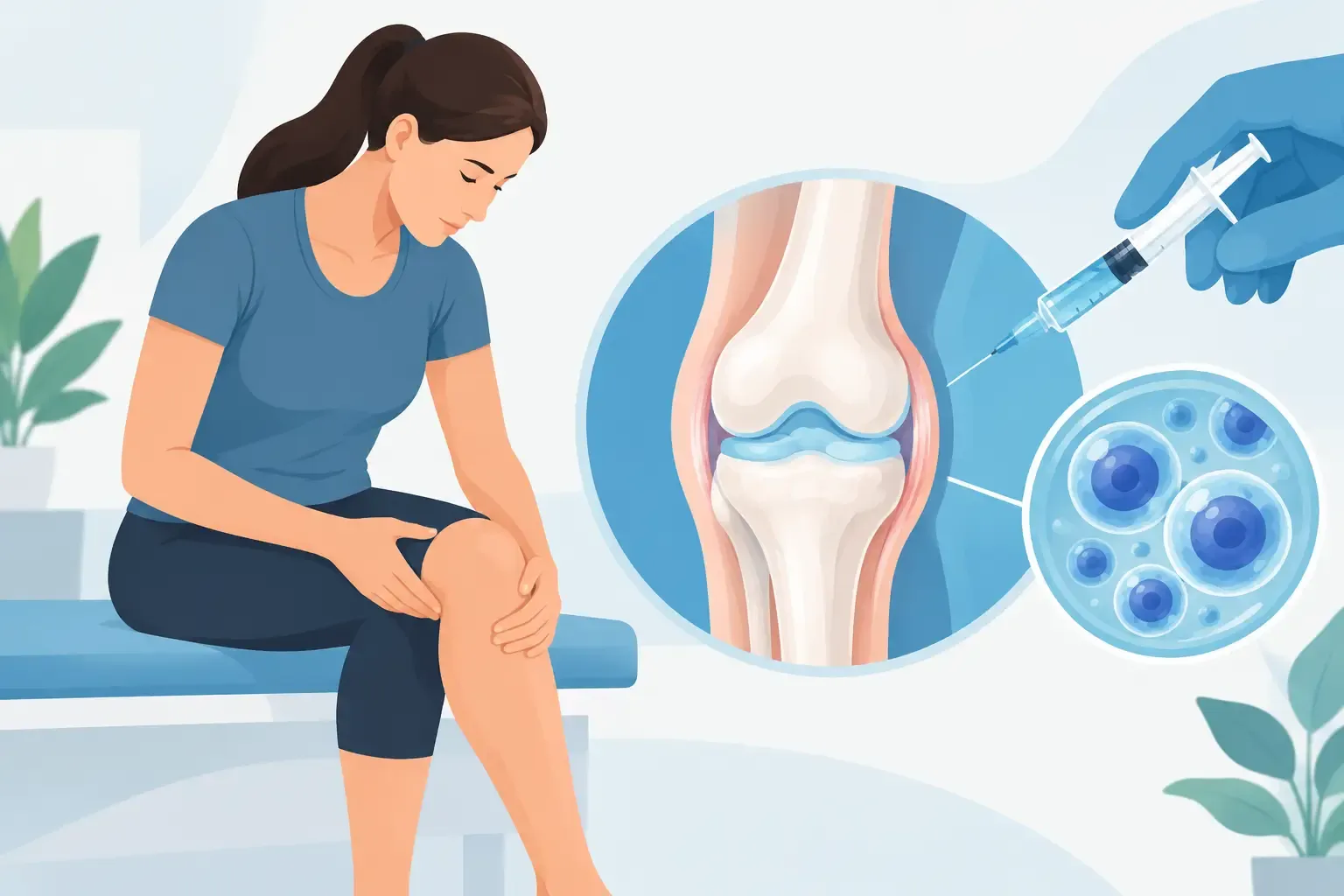
The moment knee pain makes you hesitate before stairs, turn down a walk with your grandchildren, or give up the sport that keeps you feeling like yourself, the issue becomes bigger than a sore joint. Stem cell therapy for knee pain is drawing attention because it approaches the problem at the cellular level, with the goal of supporting the body’s repair response rather than simply masking symptoms.

For the right candidate, regenerative medicine may offer a less invasive path forward when rest, physical therapy, injections, and medications have failed to deliver lasting progress. It is not a one-size-fits-all cure, and it is not a substitute for a careful diagnosis. But for people seeking a personalized alternative to surgery or long-term symptom management, it can be an important conversation to have with qualified medical specialists.

Why Knee Pain Can Be So Difficult to Resolve

The knee is a high-demand joint. Every step transfers force through cartilage, tendons, ligaments, muscle, and bone. Years of repetitive movement, an old sports injury, excess load, poor biomechanics, or inflammatory disease can gradually change how these structures function together.

Osteoarthritis is one of the most common causes of persistent knee pain, particularly after age 50. As cartilage breaks down and the joint environment becomes more inflammatory, people may experience stiffness, swelling, grinding, loss of range of motion, and pain during weight-bearing activities. Meniscus injuries, ligament damage, tendon problems, and post-traumatic arthritis can create a similar cycle of discomfort and reduced activity.

Conventional care can be valuable. Physical therapy strengthens the structures that support the joint. Weight management can reduce mechanical stress. Anti-inflammatory medications and corticosteroid injections may help control symptoms. Surgery may be appropriate when structural damage is severe. Yet these approaches do not always address the biological conditions that limit healing, especially in tissues with limited blood supply.

That is where regenerative strategies may enter the picture.

How Stem Cell Therapy for Knee Pain Works

Mesenchymal stem cells, often called MSCs, are studied for their ability to communicate with damaged and inflamed tissue. Rather than functioning as a simple replacement part, MSCs release signaling factors that may help regulate inflammation, support cellular repair processes, encourage blood-vessel formation, and influence the local healing environment.

In a knee affected by degeneration or injury, the goal is not merely to chase pain relief. A thoughtfully designed treatment plan aims to improve the conditions surrounding the joint: excessive inflammation, impaired tissue oxygenation, poor cellular signaling, and reduced capacity for recovery.

At BIOREGENIX, treatment programs may incorporate expanded, ethically sourced umbilical cord-derived MSCs cultivated through a low-oxygen process. This type of cultivation is designed to support cellular performance before treatment. A physician-led plan may also include targeted administration strategies and complementary therapies selected around the patient’s diagnosis, health history, activity goals, and recovery capacity.

The science is promising, but the details matter. Cell source, processing standards, dose, delivery method, patient selection, and clinical oversight can all influence the experience and potential outcome. A clinic should be transparent about its protocols, quality controls, and the realistic role of treatment in a patient’s broader care plan.

Who May Be a Candidate?

A person does not need to be in constant, severe pain to explore regenerative care. Many candidates are active adults who can still function but feel their world narrowing: fewer rounds of golf, shorter walks, difficulty kneeling, or a growing reliance on pain medication just to get through the day.

Stem cell-based treatment may be considered for people with mild to moderate osteoarthritis, chronic knee inflammation, lingering pain after an injury, tendon or soft-tissue concerns, or a desire to pursue non-surgical options before considering joint replacement. It may also appeal to patients who have exhausted standard conservative measures without achieving meaningful relief.

However, candidacy depends on more than an MRI report. Advanced bone-on-bone arthritis, major joint deformity, an unstable ligament injury, active infection, uncontrolled autoimmune activity, or certain cancer histories may change the recommended approach. Some patients need surgery, and some benefit most from a combined plan that includes orthopedic evaluation, rehabilitation, nutrition, and regenerative support.

A strong consultation should include a review of imaging, prior treatments, medications, overall health, mobility limitations, and the life activities you want to return to. The question is not simply, “Do I have knee pain?” It is, “What is driving it, and what does my joint need to function better?”

What a Personalized Regenerative Plan Can Include

Knee recovery rarely happens in isolation. Cellular therapies may be more meaningful when the body has the oxygen, circulation, metabolic support, and movement strategy needed to respond well.

For that reason, an individualized plan may combine MSC therapy with IV therapy, hyperbaric oxygen therapy, red light therapy, pulsed electromagnetic field therapy, and targeted hormone or wellness support when clinically appropriate. These modalities are selected for different reasons. Hyperbaric oxygen may support tissue oxygenation. Red light and PEMF may be used to support circulation, cellular energy production, and recovery. IV therapies can help address nutrient and hydration needs that affect healing capacity.

This does not mean every patient needs every therapy. More treatment is not automatically better treatment. A premium regenerative program should be tailored, medically supervised, and built around clear priorities: reduce the factors holding recovery back, support the body’s repair processes, and track whether function is actually improving.

Progress Is More Than a Pain Score

Pain matters, but it is not the only marker of success. Meaningful progress may look like walking farther without swelling, standing through a family event, returning to strength training, sleeping without being awakened by discomfort, or feeling more confident on uneven ground.

Recovery timelines also vary. Some people notice changes in comfort or mobility within weeks, while tissue remodeling and functional gains may unfold over several months. Age, severity of degeneration, body composition, activity level, inflammation, and adherence to rehabilitation can all affect the pace of improvement.

Questions to Ask Before Choosing a Clinic

Regenerative medicine deserves careful decision-making. The field includes genuine scientific advancement, but it also includes broad marketing claims that can leave patients unclear about what they are receiving.

Before moving forward, ask what type of cells are being used, how they are sourced and processed, whether the treatment is performed under physician supervision, and how the clinic determines candidacy. Ask how your knee condition will be evaluated, what complementary care is recommended, what follow-up looks like, and how the team will measure your response over time.

It is also reasonable to ask about safety. Any injection-based procedure carries potential risks, including pain at the injection site, bleeding, infection, and inflammatory reactions. Your provider should discuss risks, benefits, alternatives, and expected limitations in language you can understand. In the United States, patients should also know that many stem cell interventions are not FDA-approved for orthopedic conditions, even as research into MSCs and regenerative therapies continues to evolve.

Be cautious of anyone guaranteeing cartilage regrowth, promising to eliminate the need for surgery in every case, or offering the same protocol to every patient. Knee pain is personal. Care should be, too.

Protecting Your Results After Treatment

Regenerative treatment is not a permission slip to return immediately to high-impact activity. The knee still needs time, intelligent loading, and support. A clinician may recommend a gradual return to movement, physical therapy, strength work for the hips and quadriceps, mobility exercises, and adjustments to activities that repeatedly aggravate the joint.

Long-term joint health also benefits from attention to sleep, protein intake, hydration, inflammation management, and body weight when appropriate. These fundamentals are not glamorous, but they help create the internal environment where cellular repair has the best opportunity to do its work.

The real goal is not simply a quieter knee. It is the ability to move with confidence again – to travel, exercise, play on the floor with your grandchildren, and make plans without first calculating how much the joint will hurt. If knee pain has been shrinking your life, a personalized regenerative evaluation can help clarify whether a cellular approach belongs in your next step forward.

How Long Does It Take to See Results with Stem Cell Therapy

How Long Does It Take to See Results

with Stem Cell Therapy

This is the question nearly every patient asks — and the one that demands the most careful and honest answer in all of regenerative medicine. At Bioregenix, we establish realistic timelines from the very first consultation, because correctly calibrated expectations lead to results that are genuinely recognized and valued.

The most important thing to understand first

Stem cell therapy is not a surgical procedure with an immediate, measurable anatomical outcome. It is a biological process. The MSCs administered on the day of treatment do not instantly become new cartilage, do not regenerate a damaged tendon, or reverse years of degeneration overnight. They signal. They modulate. They support. And that takes time — often more time than patients initially expect.

The response timeline: phase by phase

Phase 1 – Early Biological Activity (Days 1–14)

  • Some patients notice a reduction in inflammatory pain within the first 1–2 weeks
  • Many feel nothing at this stage — and this does not predict failure
  • Mild fatigue or a temporary increase in localized pain may occur, particularly after intra-articular delivery
  • The cellular signaling process is active at the tissue level, but is not yet perceptible in most cases

Phase 2 – Response Building (Weeks 2–8)

  • This is typically when patients begin to notice meaningful changes: reduced morning stiffness, improved range of motion, better sleep quality, or reduced dependence on anti-inflammatory medications
  • Athletes and active adults frequently report improved recovery between training sessions before noticing structural improvement
  • Patients who received systemic IV therapy frequently report improvements in energy, mental clarity, and reduced systemic inflammatory burden

Phase 3 – Consolidation (Months 2–6)

  • For musculoskeletal conditions, this is the period when the most clinically significant functional improvements typically emerge
  • Imaging studies (MRI, ultrasound) at 3–6 months can begin to reflect tissue-level changes in responding patients
  • Patients pursuing longevity protocols frequently report the cumulative benefit of an improved cellular environment, optimized hormones, and reduced inflammation working together

Phase 4 – Sustained Benefit (6–18+ months)

  • The paracrine effects of MSC therapy continue to influence tissue biology for months after a single treatment
  • Annual or biannual maintenance sessions may be recommended depending on the indication and initial response
  • Long-term follow-up is part of our protocol at Bioregenix — not an afterthought

What determines your individual timeline

FactorHow it affects the timeline
Severity and duration of the conditionMore advanced degeneration and longer disease duration typically require more time
Patient age and metabolic statusYounger, metabolically healthy patients tend to respond earlier and more robustly
Hormonal environmentOptimized hormonal status significantly supports cellular signaling and tissue repair
Complementary therapiesHyperbaric oxygen, nutritional IV support, and directed rehabilitation accelerate the response environment
Nutrition and sleep qualityRegeneration is a cellular process — it depends on what the body has to work with
Activity level and rehabilitationAppropriate loading and movement after treatment are important for musculoskeletal recovery

Why the integrated protocol at Bioregenix is not optional

A cell placed in a well-prepared biological environment — with low inflammation, hormonal support, and adequate nutritional status — performs entirely differently than the same cell administered to a patient with uncontrolled systemic inflammation, hormonal deficiency, poor sleep quality, and nutritional insufficiency.

At Bioregenix, we do not offer isolated infusions. We design protocols that create the optimal biological conditions for the therapy to work — through regenerative IV therapy, hyperbaric oxygen where indicated, hormonal optimization when relevant, and personalized recovery guidance. The protocol is the treatment. The infusion is one part of it.

A realistic answer for the most common cases

For patients with orthopedic conditions (joint arthritis, disc disease, tendinopathy), significant functional improvement is typically first noticed between weeks 4 and 10, with continued progress through 3–6 months. For longevity and performance goals, the response is more gradual — most often best measured in energy, recovery, sleep quality, and metabolic function over 3–6 months.

→ Begin with a consultation at Bioregenix, Guadalajara, México — and receive a realistic, individualized timeline for your specific case.

Dr. Habib Bechelani Kuri, MD | Regenerative Medicine & Human Optimization | Bioregenix, Guadalajara, Jalisco, México

What Is Umbilical Cord Stem Cell Therapy Used For?

Umbilical cord stem cell therapy is one of the most significant advances in regenerative medicine — and one of the most misunderstood. The question patients ask me most often in consultation is not whether it works in theory. It is: “What exactly can it do for me?” That is exactly the right place to start.

How MSCs Work

Umbilical cord stem cells — properly called mesenchymal stem cells (MSCs) — do not work simply by replacing damaged tissue. Their most important role is cellular communication. Once introduced into the body, MSCs release bioactive signals that may:

  • Reduce chronic and localized inflammation
  • Support tissue repair and cellular regeneration
  • Modulate immune system activity
  • Stimulate the formation of blood vessels in areas with poor circulation
  • Improve the biological environment around damaged or degenerated tissue

This paracrine signaling effect is what makes them relevant across a wide range of conditions — not only musculoskeletal problems.

Conditions Most Commonly Addressed

At Bioregenix, we evaluate every patient individually. Umbilical cord and placenta MSC therapy is most frequently explored for the following:

Orthopedics and the Musculoskeletal System

  • Osteoarthritis of the knee, hip, and shoulder
  • Degenerative disc disease and spine pain
  • Tendon and ligament injuries
  • Sports injuries and post-surgical recovery
  • Joint degeneration in active adults over 40

Chronic Inflammation and Immune Conditions

  • Chronic inflammatory joint conditions
  • Elevated systemic inflammatory burden
  • Tissue damage related to autoimmune disease (as a complement to conventional medical management, not a replacement)

Longevity and Performance Optimization

  • Anti-aging and cellular rejuvenation
  • Metabolic and mitochondrial decline
  • Energy, fatigue, and recovery optimization
  • Cognitive performance support

Hormonal and Systemic Health

  • Hormonal decline in adults over 40 (combined with our hormone optimization protocols)
  • Persistent post-COVID inflammation and recovery
  • General immune system support

What MSC Therapy Is Not

It is important to be direct: stem cell therapy is not a universal solution. It is a powerful biological tool that works best within a structured, individualized clinical plan. A patient with severe joint destruction may still need surgery. A patient with an active infection must address it first. Responsible regenerative medicine means honest conversations — not inflated promises.

The Bioregenix Approach

At Bioregenix, every patient begins with a comprehensive clinical evaluation before any treatment is recommended. We use only umbilical cord and placenta-derived MSCs — never cells from adipose (fat) tissue or bone marrow — because the evidence profile and clinical advantages for our patients are superior.

Our protocols integrate cell therapy with complementary modalities: regenerative IV therapy, hyperbaric oxygen, hormone optimization, and personalized recovery plans. Cells work best in a well-prepared biological environment, and we design for that environment — not just for the infusion.

→ Schedule your evaluation at Bioregenix — Guadalajara, Mexico

Dr. Habib Bechelani Kuri, MD  |  Regenerative Medicine & Human Optimization  |  Bioregenix, Guadalajara, Jalisco, Mexico

Mesenchymal Stem Cell Therapy

Mesenchymal stem cell therapy at Bioregenix