Spine Health: Move With Less Pain and More Confidence

Spine Health: Move With Less Pain and More Confidence

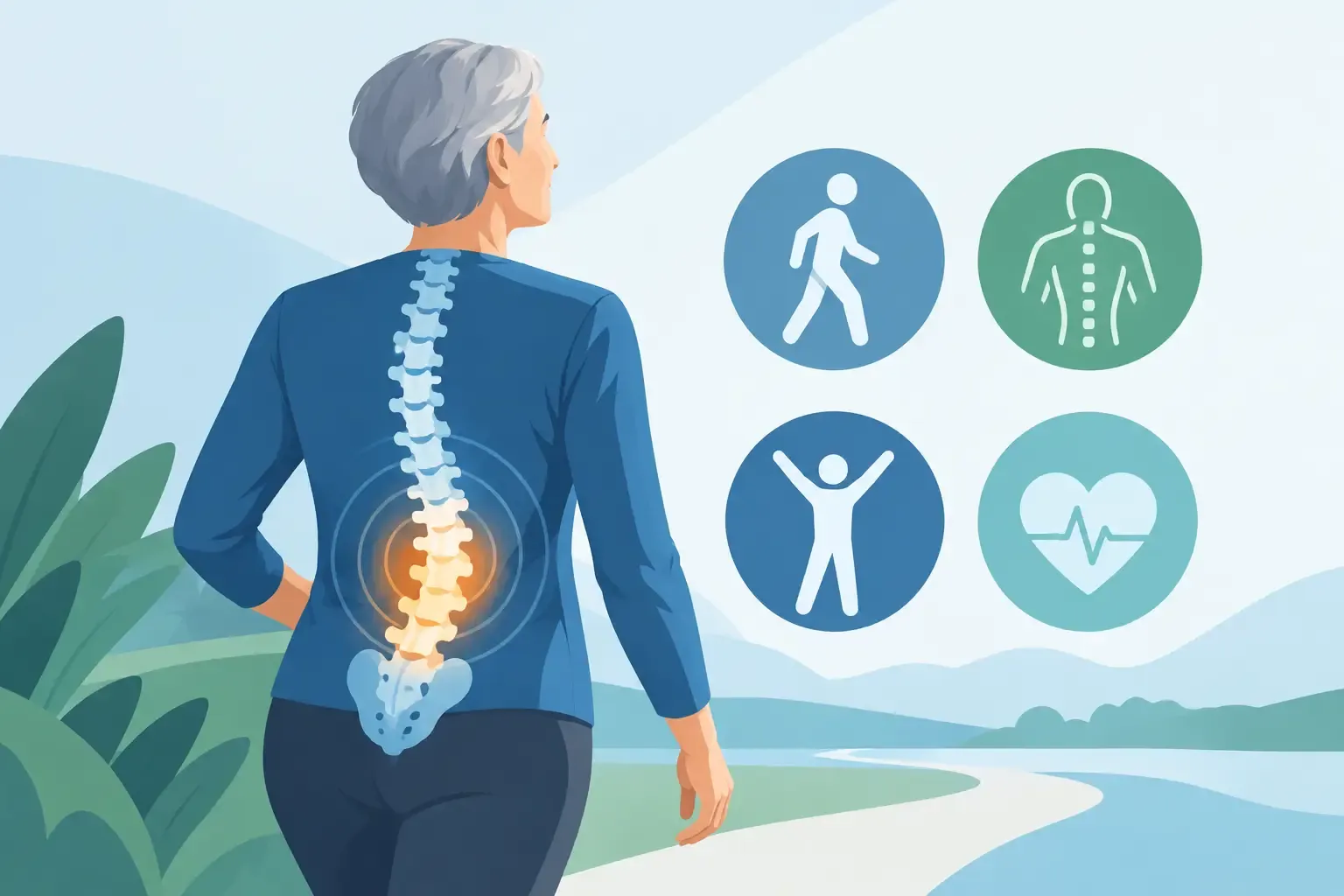
A morning can reveal more about your spine than an MRI ever could. It is the moment you hesitate before tying your shoes, brace yourself to get out of bed, or decide that carrying a grandchild, a golf bag, or a basket of laundry is not worth the risk. Spine health is not simply about having a pain-free back. It is about preserving the movement, confidence, and independence that make daily life feel like your own.

Back and neck symptoms are common, but they should not be dismissed as an inevitable part of aging. The spine is a dynamic system of vertebrae, discs, joints, nerves, muscles, and connective tissues. When one part is under strain, inflamed, injured, or degenerating, the effects can spread into the hips, shoulders, legs, sleep quality, energy, and overall mobility.

What Spine Health Really Depends On

Your spine must do several demanding jobs at once. It supports body weight, protects the spinal cord, absorbs force during walking and exercise, and allows you to bend, rotate, reach, and stabilize. Healthy spinal function depends on alignment and mobility, but it also depends on tissue quality, muscular support, circulation, nerve function, and an appropriate recovery response.

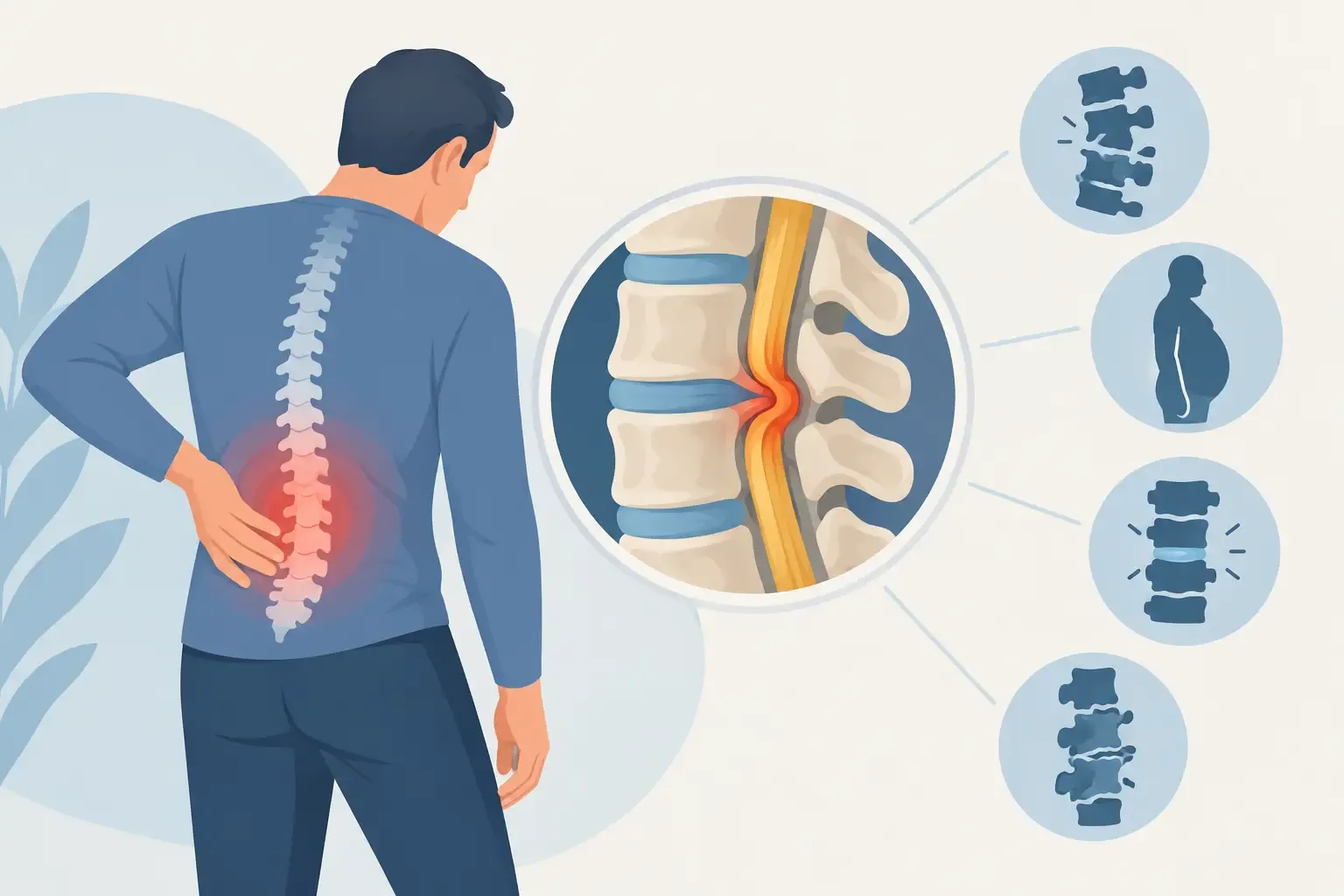
The intervertebral discs are especially important. These cushions sit between the vertebrae and help distribute pressure with movement. With age, repeated loading, prior injury, smoking, inactivity, metabolic issues, or genetics, discs can lose hydration and resilience. A disc may bulge, herniate, narrow, or develop painful tears. Facet joints can also become irritated or arthritic, while the muscles around the spine may tighten to protect an area that feels vulnerable.

Pain does not always match the severity of imaging findings. Some people have disc degeneration on an MRI and feel little discomfort, while others experience significant pain with subtler changes. That is why a meaningful evaluation considers symptoms, movement patterns, neurological findings, lifestyle demands, prior treatments, and imaging when appropriate. A scan is one piece of the clinical picture, not the whole story.

Spine Health Is More Than Posture

Posture matters, but it is often oversimplified. There is no single perfect seated or standing position that protects every person all day. The body generally tolerates a variety of positions better than it tolerates staying in one position for hours.

If you work at a desk, long periods of sitting can increase stiffness and reduce blood flow to the muscles supporting your spine. If you do physical labor, repetitive lifting, twisting, vibration, and fatigue can create a different set of stresses. The answer is not necessarily to avoid movement. In many cases, it is to build greater capacity for movement through strength, conditioning, technique, and recovery.

A useful goal is to make your spine adaptable. Walking, controlled resistance training, gentle mobility work, and regular position changes can all support this goal. The right activity level depends on your diagnosis and symptom pattern. Someone with acute nerve irritation may need a different progression than an active adult managing chronic stiffness or mild degenerative disc changes.

Strength Creates a More Stable Foundation

The muscles of the trunk, hips, and upper back work together to manage spinal load. A strong core is not only about abdominal exercises or visible definition. It is about coordinated stability while breathing, walking, lifting, climbing stairs, and reacting to everyday demands.

Hip strength matters because limited hip mobility or poor gluteal control can shift excessive force into the lower back. Upper-back strength matters because rounded shoulders and weak scapular control can contribute to neck tension and altered mechanics. A qualified clinician or physical therapist can help identify whether strengthening, mobility work, or activity modification should lead your program.

Recovery Is Part of the Treatment Plan

Tissues need time and resources to recover. Sleep, protein intake, hydration, stress management, and metabolic health influence inflammation, tissue repair, and energy production at the cellular level. When sleep is fragmented by pain, the nervous system can become more sensitive, creating a frustrating cycle in which discomfort disrupts recovery and poor recovery amplifies discomfort.

For many patients, addressing spine pain requires more than a single exercise or procedure. It may involve restoring movement, reducing inflammatory burden, improving tissue oxygenation, supporting ATP production, and gradually rebuilding confidence in the activities that pain has taken away.

When Back or Neck Pain Needs Medical Attention

Most episodes of mechanical back pain improve with conservative care, especially when symptoms are addressed early. However, some signs require prompt medical evaluation. New or worsening weakness, loss of bowel or bladder control, numbness in the groin or saddle area, fever with severe spinal pain, unexplained weight loss, pain after significant trauma, or a history of cancer or serious infection should not be managed with home remedies alone.

Persistent symptoms also deserve a closer look. If pain travels down an arm or leg, causes numbness or tingling, wakes you consistently at night, limits walking, or continues despite reasonable conservative care, a comprehensive assessment can help clarify the next step. The goal is not to chase every abnormality on an image. It is to identify the source of dysfunction and choose care that fits the individual.

A Modern, Individualized Approach to Spine Care

Conventional spine care can be highly valuable. Physical therapy, targeted exercise, anti-inflammatory strategies, medication when appropriate, image-guided procedures, and surgery in clearly indicated cases all have a role. Surgery may be necessary for progressive neurological deficits, significant instability, severe spinal stenosis, or certain structural problems. It can be life-changing for the right patient.

At the same time, surgery is not the only pathway for every disc, joint, or chronic pain condition. Patients with persistent pain often seek non-surgical options because they want to protect function, reduce downtime, and address the biological environment around an injured or degenerating area.

Regenerative medicine is an emerging area of care that aims to support the body’s repair processes at a cellular level. Depending on the diagnosis, individualized protocols may include biologic treatments, cellular therapies, IV nutrient support, hyperbaric oxygen, red light therapy, pulsed electromagnetic field therapy, hormonal optimization, and rehabilitation planning. These therapies should never be presented as a universal cure, and eligibility varies by condition, medical history, and clinical goals.

Mesenchymal stem cells, or MSCs, are of particular interest in regenerative medicine because of their signaling activity and potential role in modulating inflammation and supporting tissue repair processes. Research in orthopedic and spine-related applications continues to evolve. Outcomes can differ substantially based on the underlying condition, the treatment method, the quality and source of cellular products, and the patient’s overall health.

At BIOREGENIX, care planning centers on a detailed assessment of each patient’s symptoms, goals, tissue health, and prior treatment history. For appropriate candidates, advanced regenerative strategies may be combined with supportive modalities intended to improve circulation, tissue oxygenation, recovery capacity, and the conditions needed for healing. A coordinated plan is often more meaningful than treating pain as an isolated symptom.

Daily Choices That Protect Your Spine

Long-term spine health is built through repeatable choices rather than a single perfect workout. Begin with movement you can sustain. A daily walk, even in shorter intervals, can improve circulation, reduce stiffness, and reinforce a normal walking pattern. Add strength gradually, focusing on controlled movements rather than pushing through sharp or radiating pain.

When lifting, keep the object close to your body, use your hips and legs, and avoid rushed twisting under load. Break up long drives and desk sessions with brief movement every 30 to 60 minutes. If a task repeatedly causes symptoms, do not assume you must simply tolerate it. Adjusting technique, load, frequency, or recovery time can make a meaningful difference.

Weight management, smoking cessation, glucose control, and restorative sleep also matter. These factors affect inflammation, vascular health, and the body’s ability to maintain connective tissue. They are not moral judgments or quick fixes. They are practical levers that can support better outcomes alongside medical care.

A strong spine does not mean never feeling stiffness or discomfort. It means having the capacity to move through life with less fear, recover more effectively, and pursue the activities that matter to you. If pain has narrowed your world, the next step may be a thoughtful evaluation that looks beyond the symptom and toward the full potential of your recovery.

Biologic Injection Review: What Patients Should Ask

Biologic Injection Review: What Patients Should Ask

A painful knee that makes stairs feel calculated, a shoulder that interrupts sleep, or back pain that limits time with grandchildren can make surgery seem like the only next step. A thorough biologic injection review can help patients understand whether a regenerative approach belongs in their care plan – and whether the clinic, product, and protocol deserve their trust.

Biologic injections are not a single treatment. The term can describe several therapies made from or designed to influence biological materials, including platelet-rich plasma (PRP), bone marrow aspirate concentrate, tissue-derived allografts, and certain cellular products. The differences matter. Each option has its own proposed mechanism, evidence base, preparation method, regulatory considerations, risks, and appropriate uses.

For patients seeking a less invasive path for chronic pain, injury, or degenerative change, the right question is not simply, “Do biologic injections work?” It is, “Which approach is appropriate for my condition, what can it realistically accomplish, and how will my progress be monitored?”

What a Biologic Injection Is Designed to Do

Conventional pain care often focuses on reducing symptoms. Anti-inflammatory medications, steroid injections, and pain procedures may be useful in the right setting, but they do not necessarily address the tissue environment contributing to ongoing discomfort or reduced function.

Regenerative approaches aim to support the body’s repair signaling. Depending on the therapy, biologic injections may introduce concentrated growth factors, cytokines, extracellular signaling components, or cells intended to influence inflammation, tissue remodeling, circulation, and cellular communication. In orthopedic care, the goal may be to support a healthier healing response around a joint, tendon, ligament, disc, or soft-tissue injury.

That goal should be described carefully. A biologic injection is not a guaranteed replacement for surgery, and it cannot reverse every advanced structural problem. Severe joint collapse, major instability, complete tears, infection, cancer, or nerve compression with progressive weakness may require a different level of care. A responsible provider reviews imaging, medical history, current medications, functional limitations, and treatment goals before recommending any procedure.

Biologic Injection Review: The Details That Matter

Online reviews often focus on whether someone felt better after an injection. That experience is meaningful, but it is only one piece of the evaluation. Pain can fluctuate naturally, activity levels change, and some conditions improve with time, rehabilitation, weight management, or other interventions occurring at the same time.

A more useful review examines the full clinical picture. Was the diagnosis clearly established? Was the injection guided by ultrasound, fluoroscopy, or another imaging method when precision was needed? What material was used, how was it processed, and why was it selected for that person’s condition? Was a rehabilitation plan included? Did the patient track mobility, pain, medication use, sleep, and daily function over time?

For example, someone with mild-to-moderate knee osteoarthritis, preserved joint space, and pain that has not responded adequately to conservative care may have a different risk-benefit profile than someone with advanced bone-on-bone arthritis and major mechanical deformity. Likewise, a recreational athlete with a chronic tendon injury should not be evaluated by the same standard as a patient managing systemic autoimmune inflammation.

Evidence also varies by product and indication. PRP has been studied in several musculoskeletal settings, with results that can differ based on the condition treated, injection technique, platelet concentration, and study design. Research involving cellular therapies is evolving rapidly, but product quality, cell characterization, dosing, route of administration, and patient selection vary significantly across studies and clinics. Broad claims should never substitute for a condition-specific discussion of available evidence.

Questions to Ask Before You Commit

A high-quality consultation should make room for direct questions. You deserve clear answers, not pressure or vague promises.

Ask what exact biologic product is being recommended and why it fits your diagnosis. If the treatment involves donor-derived materials or mesenchymal stem cells, ask about ethical sourcing, donor screening, sterility testing, identity testing, storage, handling, and quality controls. Ask whether the clinic can explain the product’s intended use and the regulatory framework that applies to it.

It is equally important to ask about the procedure itself. Will imaging guidance be used? What discomfort, downtime, and activity restrictions should you expect? What side effects are possible, and what symptoms require urgent follow-up? Injections may cause temporary soreness, swelling, bruising, or a short-term inflammatory response. As with any injection, infection, bleeding, allergic reaction, and injury to surrounding structures are potential risks, though their likelihood depends on the procedure and the individual patient.

Ask how success will be measured. A credible care plan should not rely only on a same-day pain score. It may include objective movement testing, strength or stability assessments, validated functional questionnaires, imaging when clinically appropriate, and scheduled follow-up visits. Improvement may be gradual. Some patients notice changes in weeks, while tissue remodeling and rehabilitation goals can take months.

Finally, ask what happens if the response is limited. A clinic that practices individualized medicine should be willing to discuss alternatives, including physical therapy, medication management, surgical consultation, diagnostic workup, or other supportive therapies. The best plan is not the most expensive plan. It is the one that makes medical sense for your body and your priorities.

Why Combination Care Can Change the Experience

An injection is rarely the entire answer for chronic pain or age-related degeneration. Persistent symptoms may be influenced by inflammation, poor circulation, sleep disruption, hormonal imbalance, deconditioning, nutritional status, metabolic health, and the cumulative effects of past injuries.

That is why a multi-therapy strategy may be considered for appropriate patients. Physical rehabilitation helps translate biological signaling into stronger movement patterns. Hyperbaric oxygen may be used in select clinical settings to support tissue oxygenation. Red light therapy, pulsed electromagnetic field therapy, IV nutrient support, and hormone optimization may also be incorporated when a clinician determines they fit the person’s overall health profile and goals.

These modalities should not be presented as automatic add-ons or universal cures. Their value depends on the diagnosis, safety considerations, evidence for the intended use, and how well they integrate with the patient’s plan. A patient with an acute sports injury may need a focused recovery protocol. A patient with chronic inflammatory pain and reduced mobility may benefit more from a broader strategy that addresses systemic health alongside local tissue concerns.

At BIOREGENIX, individualized regenerative programs are built around this wider view of healing. For qualifying patients, that may include advanced, ethically sourced umbilical cord-derived mesenchymal stem cell therapy cultivated through a low-oxygen process, paired with complementary therapies selected to support cellular repair, inflammation management, tissue oxygenation, and functional recovery. Treatment recommendations should always begin with a medical assessment rather than a one-size-fits-all package.

Watch for Red Flags in Biologic Treatment Marketing

Hope is powerful, especially after years of pain or disappointing appointments. It should be met with transparency. Be cautious of any provider who guarantees a cure, claims one injection treats every disease, discourages you from discussing the plan with your primary physician, or cannot clearly identify what is being injected.

Other concerns include treatment recommendations made without a meaningful examination or review of records, unclear pricing, pressure to purchase immediately, and claims that dismiss all conventional medicine. Regenerative care can complement conventional care, but responsible clinicians recognize when imaging, medication, rehabilitation, specialist referral, or surgery is medically necessary.

Patient testimonials can be encouraging, particularly when they describe restored walking, exercise, work, or family activities. Still, personal stories are not the same as clinical evidence. Consider them alongside transparent safety information, provider qualifications, product documentation, and a care plan built around your diagnosis.

Deciding Whether It Is the Right Next Step

The strongest biologic injection review is personal. It accounts for what your scans show, how symptoms affect your day, which treatments you have tried, your medical history, and what outcome would meaningfully improve your life. For one person, success may mean returning to golf. For another, it may mean sleeping through the night, walking the grocery store without stopping, or playing on the floor with a grandchild.

Regenerative medicine is most valuable when it is approached with both optimism and discernment. Ask for specifics, expect careful screening, and choose a team that treats your mobility, comfort, and long-term health as connected goals. The right next conversation can turn uncertainty into a plan built around the life you want to get back to.

Regenerative Clinic Review Criteria That Matter

Regenerative Clinic Review Criteria That Matter

A regenerative medicine clinic may promise less pain, stronger mobility, or a path away from surgery. Those goals can be meaningful, especially when arthritis, a spine condition, a persistent injury, or chronic inflammation has limited the life you want to live. But regenerative clinic review criteria should go far beyond a compelling testimonial or a dramatic before-and-after story.

The right clinic earns trust through clinical discipline: how it evaluates you, what therapies it recommends, where its biologic materials come from, and how honestly it discusses benefits, limitations, and risk. Regenerative care is not a one-size-fits-all purchase. It is a significant medical decision that should be built around your health history, functional goals, and the biology of the condition being treated.

Regenerative Clinic Review Criteria for Safer Decisions

Start with the medical team. Look for a clinic led by appropriately qualified physicians and clinical professionals who can explain why a treatment is being considered for your condition. A credible consultation should feel thorough, not rushed. The team should review your diagnosis, symptoms, imaging or laboratory findings when relevant, medications, prior procedures, and health conditions that may affect your candidacy.

Be cautious if you are offered the same protocol before anyone has asked what is driving your pain or loss of function. Knee osteoarthritis, a disc-related back problem, tendon damage, autoimmune activity, and neurological symptoms may all involve inflammation, tissue stress, impaired signaling, or degeneration, but they do not call for identical plans. Individualized care is not a luxury. It is the starting point for responsible regenerative medicine.

You should also understand the clinic’s approach to safety and follow-up. Ask who performs the treatment, what happens on treatment day, how adverse events are monitored, and who is available if you have questions afterward. A clinic should be clear about informed consent, medical screening, contraindications, and the circumstances in which it may advise against treatment.

Ask exactly what is being used

Cell-based therapy is a broad category, not a single product. If a clinic discusses mesenchymal stem cells, ask for a plain-language explanation of the cell source, processing, testing, storage, transport, and administration method. Ethical sourcing and documented quality controls matter because biologic materials require careful handling at every stage.

For example, umbilical cord-derived mesenchymal stem cells may be evaluated for identity, purity, potency, sterility, and viability. A responsible provider should be able to explain the safeguards it uses without hiding behind vague phrases such as “the best cells available.” If the program uses expanded cells, ask how the cells are cultivated and what quality standards guide that process. Low-oxygen cultivation is one approach designed to support cellular performance, but it is still appropriate to ask how the clinic verifies its processes.

The conversation should also distinguish between what is established, what is investigational, and what outcomes cannot be guaranteed. Regenerative therapies may be used in carefully selected programs with the goal of supporting tissue repair, modulating inflammation, and improving function. They are not a promise to reverse every degenerative condition or eliminate the need for future conventional care.

Look for a plan, not a single procedure

The most thoughtful clinics consider the environment surrounding cellular repair. Persistent inflammation, poor circulation, low tissue oxygenation, hormonal disruption, inadequate nutrition, and sleep problems can all influence recovery. That does not mean every patient needs every possible therapy. It means a clinic should explain why each recommendation belongs in your plan.

A coordinated program may include physician-guided IV therapy, hyperbaric oxygen therapy, red light therapy, pulsed electromagnetic field therapy, hormone optimization, or testing that helps identify biological factors affecting recovery. The value is in clinical purpose and timing. Hyperbaric oxygen, for instance, may be considered to support tissue oxygenation, while other modalities may be selected to address comfort, recovery capacity, ATP production, or inflammation.

Ask the clinic to walk you through the role of each component. If the answer is simply that everything is included because it is “better,” request more detail. Personalized care should be specific enough that you understand what is essential, what is optional, and what evidence or clinical rationale supports each decision.

Evaluate Evidence Without Expecting Certainty

People often arrive at regenerative clinics after years of unresolved pain and disappointing treatments. It is understandable to want certainty. Yet the strongest medical guidance is rarely absolute, particularly in a rapidly evolving field. Look for a provider that communicates with confidence without overstating what science can promise.

A trustworthy clinic can discuss relevant research, explain the biological rationale for a therapy, and connect potential benefits to your goals. It should also explain variables that affect results: the severity and duration of your condition, age, activity level, underlying disease, medication use, rehabilitation participation, and the health of the tissue being treated.

Patient stories can be valuable because they show what restored mobility or reduced pain means in real life – taking walks, playing with grandchildren, returning to the gym, or sleeping through the night. Still, a story is not a prediction. Review testimonials for details, but base your decision on your own evaluation, medical suitability, and a transparent discussion with the clinical team.

Five questions worth bringing to a consultation

Bring written questions so you do not have to rely on memory when you are discussing a complex treatment plan:

  • What is the specific diagnosis or biological problem this program is intended to address?
  • What cell source or biologic material will be used, and what testing confirms its quality and safety?
  • Why are these therapies recommended for me, and which elements are optional?
  • What results are realistic in my case, how long might they take, and what factors could limit improvement?
  • What are the full costs, follow-up expectations, potential risks, and alternatives, including conventional care?

A high-quality clinic welcomes these questions. You should never feel pressured to commit before you understand the answers.

Watch for Transparency in Cost and Claims

Cost is a practical part of regenerative clinic review criteria, and it should not be treated as an afterthought. Request a written estimate that explains what is included: consultation fees, diagnostic testing, biologic materials, treatment-day care, supportive therapies, follow-up visits, and any travel-related coordination. If a multi-day program is recommended, ask whether every session is necessary for your situation or whether the plan can be adjusted.

Price alone does not define quality. Lower-cost care may leave out clinical supervision, screening, testing, or follow-up. Conversely, a premium price should be supported by clear standards, experienced medical oversight, individualized planning, and a defensible rationale for the therapies included. Transparency allows you to compare programs fairly rather than comparing a single headline number.

Be equally attentive to marketing claims. Avoid providers that guarantee permanent cures, promise identical outcomes for every patient, dismiss all conventional medicine, or use urgency to push a same-day decision. Regenerative medicine can be an empowering option for appropriately selected patients, but it should complement sound medical judgment, not replace it with hype.

Choose the Clinic That Respects Your Goals

Your ideal outcome may not be a dramatic label such as “anti-aging” or “total recovery.” It may be walking through the grocery store without knee pain, sitting comfortably through a family dinner, returning to golf, or protecting your independence as you age. Tell the clinic what matters to you. Those functional goals help shape a plan that is both meaningful and measurable.

At BIOREGENIX, individualized programs are designed around cellular repair, inflammation management, tissue oxygenation, and the broader factors that influence healing. That kind of coordinated model can be valuable when it is guided by a complete evaluation rather than a generic protocol.

Choose a clinic that treats you as an active partner in your care: informed about the science, clear about the trade-offs, and supported with a plan built for the life you want to get back to.

Spinal Stenosis Patient Outcomes That Matter Most

Spinal Stenosis Patient Outcomes That Matter Most

A scan can show narrowing in the spinal canal, but it cannot tell the full story of how a person feels walking through a grocery store, standing at a family event, or getting out of bed. Spinal stenosis patient outcomes are shaped by far more than an MRI finding. The location and severity of nerve compression matter, but so do inflammation, muscle strength, balance, activity level, overall health, and the care plan chosen.

For many adults, the outcome that matters most is not a perfect image. It is being able to walk farther, sleep more comfortably, exercise with confidence, and stay present for the people and experiences they value. That requires an individualized view of the condition – not a one-size-fits-all path toward medication, injections, or surgery.

What Spinal Stenosis Means for Daily Function

Spinal stenosis occurs when spaces within the spine become narrower, placing pressure on the spinal cord or nearby nerve roots. It most often affects the lower back, called lumbar spinal stenosis, though narrowing can also develop in the neck, or cervical spine.

In the lumbar spine, symptoms may include aching or burning pain in the back, buttocks, thighs, or legs. Some people develop numbness, heaviness, tingling, weakness, or cramping that worsens while standing or walking and improves when leaning forward or sitting down. This pattern is often called neurogenic claudication.

Cervical stenosis can present differently. Pressure on the spinal cord may affect hand coordination, balance, gait, or fine motor control. Because cervical spinal cord compression can become serious, progressive weakness, frequent falls, loss of dexterity, or new bowel or bladder changes warrant prompt medical evaluation.

Symptoms and imaging do not always move in lockstep. One patient may have pronounced narrowing on an MRI with modest symptoms, while another has meaningful pain and mobility limits despite findings described as mild or moderate. The goal of assessment is to connect anatomy with function: which activities have become difficult, which neurologic signs are present, and whether symptoms are stable, improving, or progressing.

Which Spinal Stenosis Patient Outcomes Matter Most?

Pain scores are useful, but they are only one part of the picture. A meaningful outcome is practical: Can you stand long enough to cook? Walk around the block without stopping? Travel without planning every step around discomfort? Return to golf, strength training, gardening, or playing on the floor with grandchildren?

Clinicians commonly look at several connected markers of progress:

  • Walking tolerance, gait stability, and the ability to stand upright
  • Leg pain, back pain, tingling, numbness, and nighttime discomfort
  • Strength, reflexes, coordination, and changes in neurologic function
  • Reliance on anti-inflammatory drugs, pain medication, or repeated procedures
  • Participation in work, exercise, social life, and family activities

The best plan also considers durability. A short-term reduction in discomfort is valuable, but patients should ask whether their treatment supports the physical capacity needed to maintain gains. Restoring hip mobility, core endurance, leg strength, and movement confidence can influence how well symptom relief translates into a more active life.

Why Results Vary From Person to Person

Spinal stenosis is usually part of a broader degenerative process. Disc height can decline, facet joints may become arthritic, ligaments can thicken, and inflammation may sensitize already compressed nerves. For that reason, two people with the same diagnosis can have very different treatment experiences.

Duration and severity of nerve compression are important. Long-standing numbness or muscle weakness may be less likely to fully resolve than newer symptoms, particularly when nerve tissue has been under chronic stress. Age alone does not determine outcome, but conditions such as diabetes, vascular disease, osteoporosis, obesity, smoking, poor sleep, and low activity can affect tissue healing, inflammation, and rehabilitation capacity.

The source of pain matters as well. Stenosis may be present alongside disc degeneration, sacroiliac dysfunction, hip arthritis, peripheral neuropathy, or myofascial pain. Treating only the MRI finding can miss contributors that keep a patient limited. A careful diagnostic process should identify whether symptoms truly arise from spinal nerve compression and whether there are multiple pain generators.

Expectations also need to be realistic. Non-surgical care may reduce pain and improve function substantially, but it may not reverse advanced structural narrowing. Surgery can create more space for compressed nerves when appropriate, yet it also carries recovery demands and potential complications. There is no universally superior option. The right approach depends on symptoms, neurologic findings, anatomy, health status, and personal goals.

Building a Non-Surgical Plan Around Function

For patients without progressive neurologic deficits or urgent surgical indications, non-surgical care is often the first step. The most effective plans are usually layered rather than passive. They may include targeted physical therapy, progressive strength and balance training, weight management where relevant, anti-inflammatory nutrition, medication management, and image-guided injections when clinically appropriate.

Physical therapy is not simply a collection of stretches. A personalized program can improve walking mechanics, hip and thoracic mobility, trunk control, and leg strength while helping patients find positions that reduce nerve irritation. Some people tolerate flexion-based movements well, while others need a different approach. The response to activity should guide progression.

Interventional procedures can also have a role. Epidural steroid injections may offer temporary relief for selected patients with radicular pain, potentially making it easier to participate in rehabilitation. However, response varies, benefits may fade, and repeated injections are not a complete long-term strategy for every patient.

At BIOREGENIX, an individualized regenerative care model may incorporate advanced therapies intended to support the body’s repair environment, reduce inflammatory burden, and improve overall recovery capacity. Depending on medical suitability, this may include mesenchymal stem cell-based protocols alongside customized IV therapy, hyperbaric oxygen, red light therapy, pulsed electromagnetic field therapy, and metabolic or hormone optimization.

These therapies should be discussed candidly. Regenerative medicine for spinal conditions is an evolving field, and stem cell products are not FDA-approved specifically to treat spinal stenosis. They are not a substitute for timely surgical evaluation when there is progressive weakness, spinal cord compromise, or loss of bowel or bladder control. A responsible program uses thorough screening, transparent discussion of evidence and risks, and measurable functional goals.

When Surgery Changes the Outlook

Surgical decompression may be considered when conservative measures fail to restore acceptable quality of life, or when neurologic symptoms progress. Procedures such as laminectomy remove or reshape structures that narrow the canal. In some cases, fusion is considered when instability, deformity, or significant vertebral slippage is also present.

For appropriately selected patients, surgery can improve leg-dominant symptoms and walking tolerance. Yet the trade-offs deserve attention. Recovery can take time, especially after fusion, and surgery does not guarantee that every source of back pain will disappear. Scar tissue, adjacent-level degeneration, deconditioning, and unrelated joint problems can still affect long-term comfort and mobility.

Patients often make stronger decisions when they ask specific questions: Is my main limitation nerve-related leg pain, mechanical back pain, or both? Is there evidence of weakness or spinal cord risk? What improvement is realistic for walking, sleep, and daily activity? What happens if I wait, and what signs mean I should not wait?

Measuring Progress Beyond the Scan

Before treatment begins, establish a baseline that reflects real life. Record how far you can walk, how long you can stand, the activities you have stopped doing, your sleep disruption, and how often symptoms require medication. Revisit those markers over time instead of relying only on a number from zero to 10.

Progress is rarely perfectly linear. A flare after doing more can happen while strength and capacity are improving overall. The important distinction is whether recovery from activity becomes easier, tolerance expands, and symptoms are becoming less frequent or less disruptive. New weakness, worsening balance, saddle numbness, or bowel and bladder changes are different – these are reasons to seek urgent medical care.

Your outcome should be defined by the life you want to resume, not simply by the condition listed on a radiology report. Start with one measurable goal, whether that is walking a mile, returning to the gym, or carrying a grandchild without fear, and work with qualified medical professionals to build a plan that makes that goal clinically realistic.

Stem Cell Success Stories: What Real Progress Looks Like

Stem Cell Success Stories: What Real Progress Looks Like

A person who has avoided stairs for years may not define success as running a marathon. It may mean walking through a grocery store without planning every step, getting down on the floor with a grandchild, or sleeping through the night without pain interrupting recovery. That is why stem cell success stories are most meaningful when they focus on real function, individualized goals, and progress that holds up over time.

Regenerative medicine has created new possibilities for people living with chronic pain, degenerative conditions, lingering injuries, and health concerns that conventional care has not fully resolved. But a credible conversation about cellular therapy must leave room for both hope and clinical realism. Results can be significant, yet they are never automatic. The underlying condition, tissue damage, overall health, treatment protocol, rehabilitation, and quality of the cells all influence the outcome.

What Stem Cell Success Stories Should Actually Show

The strongest patient stories are not built around vague claims of feeling better. They describe a clear starting point, a meaningful change, and the work that supported it.

For an active adult with knee osteoarthritis, progress may begin with reduced inflammation and less stiffness in the morning. Over the following weeks or months, that person may tolerate longer walks, return to strength training, or postpone a procedure they had been considering. For someone with a spinal or disc-related condition, success may look like fewer flare-ups, more comfortable sitting, and a return to travel or work without relying as heavily on pain medication.

These outcomes matter because pain scores alone do not tell the full story. Mobility, sleep, energy, confidence, and independence are often the measures that change a patient’s day-to-day life. A carefully documented success story also recognizes that recovery is rarely a straight line. Some patients notice early changes, while others experience a gradual improvement as inflammation settles and tissue recovery progresses.

The goal is function, not a miracle claim

Mesenchymal stem cells, or MSCs, are studied for their signaling activity and their potential role in moderating inflammation and supporting the body’s repair environment. They do not operate like a replacement part installed in a single appointment. Their effects, when they occur, are part of a biological process shaped by the health of the tissue and the patient’s broader physiology.

That distinction protects patients from unrealistic expectations. A person with mild-to-moderate joint degeneration may have different goals and prospects than someone with advanced bone-on-bone arthritis. A recent tendon injury may respond differently than a decades-old condition complicated by poor circulation, metabolic dysfunction, or repeated surgeries. The most responsible care plan begins with what is possible for the individual, not what is most dramatic in a headline.

The Patterns Behind Meaningful Results

Across regenerative care, compelling outcomes often share a few themes. First, the patient has a specific problem that can be measured: limited range of motion, activity-related pain, disrupted sleep, reduced endurance, or difficulty performing essential tasks. Second, the care team evaluates contributing factors rather than treating symptoms in isolation.

Inflammation, nutrient status, hormone balance, circulation, sleep quality, and tissue oxygenation can all affect the healing environment. A personalized plan may combine cellular therapy with physician-guided IV support, hyperbaric oxygen, red light therapy, pulsed electromagnetic field therapy, or hormone optimization when clinically appropriate. The purpose is not to add therapies for the sake of complexity. It is to support cellular energy production, ATP availability, circulation, and recovery conditions that may influence a patient’s response.

Third, successful patients usually remain engaged after treatment. They follow activity guidance, rebuild strength at an appropriate pace, protect healing tissue, and communicate honestly about changes in symptoms. Regenerative medicine can support recovery, but it does not erase the need for thoughtful movement, nutrition, and medical follow-up.

A better story includes the timeline

One of the most misleading ideas in this field is that every result should be immediate. Some people do report early improvements in pain or mobility. For others, the more meaningful gains occur gradually over several months. This can be particularly true when the goal involves chronic inflammation, tissue quality, or long-standing degenerative change.

A responsible clinic explains what the early recovery period may feel like, how progress will be assessed, and when a patient should contact the medical team. It also distinguishes between a temporary improvement and a durable functional change. Feeling better for a weekend is encouraging. Being able to walk farther, use fewer pain-management interventions, and sustain normal activities over time is a more useful benchmark.

Why Results Vary From One Patient to Another

Every stem cell therapy conversation should include the factors that can limit or shape results. Age alone does not determine whether someone can benefit, but biological age, inflammation levels, medications, smoking, obesity, diabetes, autoimmune activity, and the severity of structural damage may all matter. So can the diagnosis itself.

For example, a patient seeking support for a sports injury may have a focused tissue problem and a clearer rehabilitation path. A patient with autoimmune symptoms, neurological degeneration, or organ-health concerns may require a more comprehensive medical evaluation and a longer-term strategy. In these cases, success may be defined by improved quality of life, function, symptom stability, or reduced inflammatory burden rather than a cure.

Cell source and handling also deserve careful attention. Patients should understand how a clinic sources its cells, what quality controls are used, and how the treatment plan is designed. Ethically sourced umbilical cord-derived MSCs are valued for their signaling potential and are typically evaluated for identity, purity, sterility, and viability. Cultivation conditions, including low-oxygen processes intended to support cell performance, may be part of a clinic’s quality approach. Those details do not guarantee an outcome, but they are relevant questions for an informed patient.

How to Read Stem Cell Success Stories With Confidence

Patient experiences can be powerful, especially when pain has narrowed a person’s life. Still, a story is not the same as clinical proof. It is one person’s experience, influenced by their diagnosis, biology, treatment plan, and follow-through.

Look for stories that explain the condition being treated and the functional change that followed. Be cautious with testimonials that promise universal results, claim to cure complex disease, or skip the discussion of risks and candidacy. Credible providers welcome questions about safety protocols, clinician oversight, treatment alternatives, expected timelines, and the evidence supporting a recommended approach.

In the United States, many regenerative uses of stem cells remain an evolving area of medicine and may not be FDA-approved for a particular condition. That does not mean patients should dismiss the field. It means they should approach it with the same care they would bring to any significant medical decision: ask for a thorough evaluation, disclose their full medical history, and seek a plan tailored to their diagnosis rather than a one-size-fits-all package.

Turning Hope Into an Individualized Plan

The right next step is not choosing a treatment because someone else’s story sounds familiar. It is identifying why pain, inflammation, loss of mobility, or reduced performance has persisted in your body. A comprehensive assessment can help clarify whether regenerative therapy may fit within a broader plan and what outcomes are realistic to pursue.

At BIOREGENIX, individualized care is built around that larger picture: the condition, the patient, the cellular environment, and the recovery goals that matter most. For one person, that may mean returning to the tennis court. For another, it may mean climbing stairs with less fear or being present for family life without constant pain dictating the schedule.

The best success story begins before treatment, with an honest conversation about where you are now and what a stronger, more capable life could look like from here.

Stem Cell Clinic Checklist: 10 Questions to Ask

Stem Cell Clinic Checklist: 10 Questions to Ask

A stem cell treatment decision can feel urgent when pain has narrowed your life – when stairs, sleep, exercise, work, or time with family no longer feel simple. A careful stem cell clinic checklist gives you a better way to evaluate your options before committing to care. The goal is not to find the clinic making the biggest promise. It is to find a medically responsible team with clear standards, personalized planning, and a treatment strategy built around your condition.

Regenerative medicine is advancing quickly, but not every stem cell program follows the same clinical protocols, sourcing standards, or level of physician involvement. Ask direct questions, expect direct answers, and give yourself permission to step back if a recommendation feels vague or rushed.

Why a Stem Cell Clinic Checklist Matters

Mesenchymal stem cell therapy is not a one-size-fits-all service. The right approach may differ for a patient with advanced knee osteoarthritis, a former athlete with a persistent tendon injury, or an individual navigating inflammation, reduced energy, and age-related decline. Your medical history, imaging, diagnosis, medications, immune status, and goals should all shape the plan.

A reputable clinic should be able to explain what it recommends, why it may be appropriate in your case, what the known limitations are, and how your progress will be monitored. That level of clarity protects patients from generalized protocols and helps set realistic expectations for a more informed decision.

Stem Cell Clinic Checklist: 10 Questions to Ask

1. Who will evaluate my case and oversee my care?

Ask who performs your consultation, reviews your records, and makes the treatment recommendation. A meaningful assessment should go beyond a short sales call. It may include a review of symptoms, prior therapies, relevant imaging and laboratory work, functional limitations, medications, and medical history.

You should also understand the credentials and role of the clinician overseeing your care. Regenerative therapy involves medical decisions, including candidacy, safety screening, procedural planning, and follow-up. Clear physician or qualified medical-provider oversight is a meaningful standard.

2. What type of cells are being used, and where do they come from?

“Stem cells” is a broad term. Clinics may discuss autologous products, which come from your own body, or donor-derived cellular products. Ask for a plain-language explanation of the specific product or cell type being proposed and why it fits your goals.

If donor-derived mesenchymal stem cells are recommended, ask about ethical sourcing, donor screening, collection procedures, and documentation. Umbilical cord-derived MSCs, when ethically sourced and carefully processed, are valued for their signaling potential and their ability to support the body’s cellular repair environment. Still, source quality and handling matter as much as the label on the treatment.

3. How are the cells processed, tested, stored, and transported?

A clinic should be prepared to discuss quality controls. Ask whether the product is tested for identity, sterility, viability, endotoxins, and communicable disease markers, as appropriate to the product and jurisdiction. Ask how it is stored and transported, as temperature control and chain-of-custody procedures can affect product integrity.

For expanded MSC programs, it is reasonable to ask about the cultivation environment and manufacturing standards. Low-oxygen cultivation, for example, is designed to more closely reflect physiologic conditions and may support cellular performance. The clinic should explain these details without turning laboratory language into an unsupported guarantee of results.

4. Is the treatment plan individualized to my diagnosis?

Be cautious if every prospective patient receives the same number of cells, the same infusion, and the same timeline without a detailed review of their condition. A thoughtful plan should account for whether your primary challenge is localized tissue damage, systemic inflammation, neurological decline, a spine condition, recovery from injury, or a wider wellness concern.

Individualization can also mean deciding that stem cell therapy is not the first or only step. Some patients may benefit from addressing inflammation, metabolic health, hormone balance, nutrient status, circulation, tissue oxygenation, or rehabilitation capacity as part of a broader plan.

5. What is the intended route of administration, and why?

Ask whether the proposed treatment is delivered intravenously, locally, or through another route, and what clinical reasoning supports that recommendation. A localized orthopedic concern may call for a different strategy than a systemic health objective. The route should not be selected solely because it is convenient or packaged as an upgrade.

You should also receive a clear explanation of what the procedure involves, how long it takes, whether imaging guidance is used when relevant, and what you may feel during and after treatment. Precision matters when the goal is to support a specific tissue or joint.

6. Which complementary therapies are included, and what purpose do they serve?

Cellular therapy is often one component of a comprehensive regenerative plan. Depending on your needs, a clinic may recommend customized IV therapy, hyperbaric oxygen, red light therapy, pulsed electromagnetic field therapy, hormone optimization, or rehabilitation support.

Ask how each modality relates to your plan. Hyperbaric oxygen may be used to support tissue oxygenation, while targeted nutrient support may help address factors involved in cellular energy production and ATP. Complementary therapies should have a defined clinical purpose, not simply add cost or complexity.

7. What outcomes are realistic for someone like me?

A responsible clinic will discuss potential goals without promising a cure. For an orthopedic patient, meaningful outcomes may include reduced pain, improved mobility, better tolerance for activity, or a delayed need for invasive intervention. For patients with chronic or complex conditions, progress may be measured through function, symptom patterns, energy, recovery, and quality of life.

Response varies. Age, disease severity, tissue damage, overall health, lifestyle, and adherence to aftercare can all influence the experience. Ask what success looks like at 30, 90, and 180 days, and ask how the clinic measures it.

8. What are the risks, exclusions, and reasons I may not be a candidate?

No medical procedure is free of risk. A trustworthy team will explain possible procedure-related risks, potential adverse reactions, uncertainties, and the situations in which treatment may not be recommended. This discussion should include your medications, allergies, history of cancer or infection, autoimmune status, clotting concerns, and other relevant health factors.

Be wary of a clinic that treats every diagnosis as equally suitable for stem cell therapy. Careful screening is not a barrier to treatment. It is part of protecting patient safety.

9. How does the clinic address regulatory status and informed consent?

Ask the clinic to explain the regulatory context of the therapy offered and the jurisdiction in which treatment occurs. Regenerative medicine is an evolving field, and the regulatory pathway can differ based on the type of product, the way it is processed, and where care is provided.

Informed consent should be detailed and understandable. You should know the proposed treatment, alternatives, expected costs, potential risks, follow-up requirements, and the limits of available evidence before moving forward. Pressure to sign immediately is a reason to pause.

10. What does follow-up look like after treatment?

The procedure is not the entire care experience. Ask how the clinic monitors recovery, when you can contact the team, what symptoms require attention, and whether follow-up visits are included. You should also receive practical guidance on activity, exercise, hydration, medications, supplements, and the timing of other therapies.

For patients pursuing long-term mobility or wellness goals, ongoing reassessment can be valuable. Your body is not static, and your care plan should be able to adapt as your symptoms, function, and priorities change.

Choosing Clarity Over Hype

Premium regenerative care should feel personal, medically organized, and transparent from the first conversation. Look for a clinic that takes your records seriously, explains its standards clearly, and sees you as more than a diagnosis or procedure slot. The strongest plans connect cellular therapy with the biological conditions that support healing, including inflammation management, circulation, tissue oxygenation, recovery, and daily movement.

Before you choose a clinic, bring this checklist to your consultation and write down the answers. The right team will welcome informed questions because confident decisions begin with clear information – and the next step in restoring movement, comfort, and independence deserves that level of care.

How to Manage Disc Degeneration Without Surgery

How to Manage Disc Degeneration Without Surgery

A stiff lower back when you get out of the car, pain that interrupts a round of golf, or numbness that makes a long walk feel uncertain can change far more than your workout routine. To manage disc degeneration effectively, the goal is not simply to quiet pain for a few hours. It is to identify what is stressing the spine, protect nerve function, improve movement capacity, and build a plan that supports the tissues around the affected disc.

Disc degeneration is common with age, but it is not a sentence to stop moving or accept a smaller life. Many people with degenerative disc changes on imaging have little or no pain. Others have significant symptoms despite a relatively modest-looking MRI. That difference is why individualized care matters: a scan is one piece of the picture, not the whole diagnosis.

What Disc Degeneration Means for Your Spine

Spinal discs sit between the vertebrae and act as shock absorbers. Each disc has a durable outer ring, called the annulus fibrosus, and a softer, water-rich center, called the nucleus pulposus. Over time, discs can lose hydration, height, and flexibility. Small tears in the outer ring may develop, and the changes can alter how forces move through the spine.

This process may be influenced by aging, genetics, prior injury, repetitive loading, smoking, excess body weight, metabolic health, and prolonged inactivity. Degeneration can occur in the neck or low back and may exist alongside disc bulges, herniations, spinal stenosis, facet-joint arthritis, or muscle deconditioning.

Symptoms vary. Some people feel localized aching, stiffness, or pain with bending, sitting, or twisting. Others develop pain that travels into an arm or leg when inflammation or disc material irritates a nerve root. Weakness, changing reflexes, and progressive numbness deserve prompt medical attention.

How to Manage Disc Degeneration Day to Day

The right plan depends on your symptoms, exam findings, activity goals, and the condition of the rest of your spine. A person with occasional mechanical low-back pain needs a different strategy than someone whose leg pain is limiting sleep and walking.

Keep Moving, but Choose the Right Dose

Complete rest often makes back pain harder to manage. When muscles stop working, the spine can lose support, joints stiffen, and confidence in movement can decline. The better approach is graded activity: enough movement to maintain circulation, mobility, and strength without repeatedly provoking sharp or radiating pain.

Walking, pool exercise, stationary cycling, and carefully selected strength training can be valuable starting points. Physical therapy can help restore hip mobility, improve core endurance, and teach safer lifting and bending mechanics. The objective is not to brace the spine rigidly all day. It is to develop control and capacity so everyday tasks feel less threatening.

Pain during exercise is not always a sign of harm, but pain that sharply escalates, travels farther down an arm or leg, causes new weakness, or lingers significantly after activity should be reassessed. Progression should be based on your response, not a generic online program.

Reduce the Loads That Keep Flaring Symptoms

Disc degeneration does not mean you must avoid bending, lifting, or exercise forever. It does mean that timing, technique, and recovery matter. Repeated heavy lifting with fatigue, long hours in a flexed sitting position, and sudden increases in training volume can aggravate an already sensitive spine.

Small changes can have a meaningful effect. Break up sitting with brief walks. Position screens and work surfaces to avoid constantly looking down or rounding forward. Keep frequently used items within easy reach. When lifting, bring the object close to your body and use the hips and legs rather than twisting under load.

For active adults, temporary training modifications are often more productive than stopping altogether. A clinician may recommend reducing impact, limiting deep loaded flexion, or adjusting rotational exercises while rebuilding tolerance. The trade-off is patience: protecting the spine in the short term can create the capacity to return to the activities you value.

Address Inflammation and Whole-Body Recovery

A disc condition is local, but recovery is influenced by the entire body. Poor sleep, chronic stress, low activity, tobacco use, uncontrolled blood sugar, and nutrient-poor eating patterns can all amplify inflammation or slow tissue recovery. No single supplement or diet can regenerate a disc on demand, but foundational health practices can improve pain resilience and healing conditions.

Prioritize protein-rich, minimally processed meals, hydration, consistent sleep, and regular low-impact movement. If weight loss is appropriate for your health, even a gradual reduction in excess load may improve comfort and mobility. Smoking cessation is especially important because nicotine impairs blood flow and is associated with poorer spinal outcomes.

Use Medication and Procedures Strategically

Anti-inflammatory medication, acetaminophen, or other pain therapies may be appropriate for some patients, particularly during a symptom flare. These tools can make it easier to sleep, participate in therapy, and restore normal movement. They are most useful when they support an active recovery plan rather than become the entire plan.

Depending on the diagnosis, image-guided injections may help reduce inflammation around irritated nerves or joints. Relief can be meaningful, but it may be temporary, and injections do not rebuild a deteriorated disc. A qualified spine specialist can help determine whether the likely source of pain is the disc itself, a nerve root, a facet joint, the sacroiliac joint, or another structure.

When Advanced Diagnostics Change the Plan

An MRI can reveal disc height loss, bulges, herniations, nerve compression, and stenosis, but imaging should be interpreted in context. Findings that sound alarming may be age-related and unrelated to the current pain pattern. A detailed history and physical examination remain essential.

Seek urgent evaluation for new bowel or bladder changes, saddle-area numbness, fever with severe back pain, unexplained weight loss, major trauma, or progressive leg weakness. These symptoms can signal conditions that require immediate care.

For persistent symptoms, a comprehensive evaluation should also consider prior injuries, posture and movement patterns, bone health, inflammatory conditions, metabolic markers, and medication use. The most effective plans treat the person carrying the MRI, not only the MRI report.

Regenerative Medicine and Disc Health

For patients who have not found adequate relief with conventional care, regenerative medicine may be worth discussing as part of a broader, medically supervised strategy. The aim is to influence the inflammatory environment, support cellular signaling, and improve the function of tissues that stabilize and nourish the spine. It is not a substitute for accurate diagnosis, rehabilitation, or appropriate surgical consultation when nerve function is at risk.

Mesenchymal stem cells, or MSCs, are studied for their ability to communicate with damaged tissues through signaling factors that may modulate inflammation and support repair processes. In a personalized setting, a clinician may evaluate whether cellular therapies, IV support, hyperbaric oxygen, red light therapy, pulsed electromagnetic field therapy, or other recovery modalities fit the patient’s goals and medical profile.

At BIOREGENIX, individualized regenerative programs are designed around the full clinical picture rather than a one-size-fits-all procedure. Treatment decisions should include an honest discussion of evidence, expected outcomes, alternatives, cost, and the fact that regenerative therapies are not guaranteed to reverse structural degeneration. Quality controls, sourcing, medical oversight, and follow-up matter when considering any cell-based treatment.

Know When Surgery May Be the Right Answer

Non-surgical care can help many people manage disc-related pain, but surgery is sometimes the most appropriate option. Progressive neurological weakness, severe nerve compression, spinal instability, or pain that remains disabling after a well-executed conservative plan may warrant a surgical opinion.

Getting a surgical consultation does not commit you to surgery. It gives you clearer information about the condition, the realistic benefits and risks of an operation, and whether there is time to continue non-surgical treatment. The best decision is one that protects long-term function, not one driven by fear or pressure.

Your spine is built to move, adapt, and carry you through a full life. With a precise diagnosis and a plan that combines smart loading, targeted rehabilitation, whole-body recovery, and appropriate advanced care, disc degeneration does not have to define what you can do next.

Regenerative Orthopedics Guide for Lasting Mobility

Regenerative Orthopedics Guide for Lasting Mobility

A painful knee that changes how you climb stairs, a shoulder that will not settle after physical therapy, or back pain that keeps you from playing with your grandchildren can make surgery feel inevitable. This regenerative orthopedics guide is designed to help you understand the modern, non-surgical options that may be worth discussing before making that decision.

Regenerative orthopedics is not one treatment or a promise of instant repair. It is a clinical approach that focuses on reducing destructive inflammation, supporting tissue health, and creating better conditions for the body’s own healing processes. For the right patient, it can be part of a plan to improve movement, manage pain, and protect long-term independence.

What Regenerative Orthopedics Actually Means

Orthopedics traditionally focuses on bones, joints, muscles, tendons, ligaments, and the spine. Regenerative orthopedics applies biologic and restorative strategies to these structures, particularly when they have been affected by injury, repetitive strain, degeneration, or chronic inflammation.

The goal is more thoughtful than simply masking symptoms. Anti-inflammatory medications, steroid injections, and pain procedures may provide meaningful relief for some people, but they do not always address the tissue environment contributing to ongoing dysfunction. A regenerative plan may look at circulation, inflammation, cellular signaling, metabolic health, movement patterns, and the condition of the surrounding soft tissue.

This matters because joint pain is rarely just a joint problem. A worn knee can alter gait and strain the hips or lower back. Disc degeneration can involve nerve irritation, muscle guarding, and reduced activity that weakens the entire support system. The most useful care plan recognizes these connected factors.

Common Conditions Considered for Care

People often explore regenerative orthopedic care for osteoarthritis, persistent knee pain, hip or shoulder discomfort, tendon injuries, ligament sprains, sports injuries, and chronic neck or low-back pain. Some patients are dealing with a diagnosed disc condition, while others have been told that their imaging shows age-related wear but their symptoms have not improved with conventional treatment.

Imaging is only one part of the picture. An MRI may show degeneration in someone with little pain, while another person may have major limitations with modest findings. A careful evaluation should account for symptoms, physical function, medical history, prior treatment response, and realistic goals.

The Main Tools Used in a Regenerative Plan

Regenerative care can involve several therapies, and the right combination depends on the diagnosis and the patient. Some options are widely used in orthopedic practice; others remain investigational or are offered through specialized regenerative medicine programs.

Platelet-rich plasma, often called PRP, uses a concentration of platelets from a patient’s own blood. Platelets contain growth factors involved in healing signaling. PRP is commonly considered for certain tendon conditions, mild to moderate osteoarthritis, and soft-tissue injuries, although protocols and outcomes vary.

Bone marrow aspirate concentrate is another autologous option. It is collected from the patient and may contain a mixture of cells and signaling factors. The procedure is more involved than a blood draw, and results can depend on age, health status, preparation methods, and the condition being treated.

Mesenchymal stem cell therapy is a more specialized area. MSCs are studied for their ability to influence inflammatory signaling, communicate with local cells, and support tissue repair processes. They are not simply replacement parts that turn into a new joint or disc. Their potential value is believed to come largely from paracrine signaling – biochemical messages that may help modulate inflammation and encourage a healthier repair environment.

At BIOREGENIX, expanded, ethically sourced umbilical cord-derived MSCs are cultivated through a low-oxygen process intended to support cellular performance. These programs may also combine cellular therapy with individualized IV support, hyperbaric oxygen, red light therapy, pulsed electromagnetic field therapy, and hormone or metabolic optimization when clinically appropriate. The premise is coordinated care: improving tissue oxygenation, ATP production, inflammatory balance, and recovery capacity rather than treating one painful structure in isolation.

Complementary therapies should not be viewed as extras without purpose. Hyperbaric oxygen therapy, for example, is designed to increase oxygen delivery under pressure. Red light therapy and PEMF are often used to support recovery and circulation-related processes. Their role, timing, and expected benefit should be explained clearly in the context of the individual plan.

Who May Be a Candidate?

Good candidates are not defined only by age or diagnosis. They are patients with a clear functional problem, a thoughtful clinical evaluation, and goals that match what non-surgical care can reasonably accomplish. Someone hoping to return to walking, golf, strength training, travel, or active family life may be a candidate if their condition, overall health, and risk profile align.

Regenerative approaches are often considered after conservative measures such as physical therapy, activity modification, medication, or standard injections have not delivered enough relief. They can also be explored by people who want to delay surgery when it is medically reasonable. Delaying surgery is not always the right choice, however. Severe structural instability, advanced joint collapse, significant nerve compression, fracture, infection, or progressive weakness may require urgent conventional orthopedic treatment.

A responsible assessment also reviews autoimmune disease, cancer history, blood-clotting risks, medication use, diabetes control, immune status, and active infection. These factors can affect both safety and the body’s capacity to recover.

Safety, Regulation, and Questions Worth Asking

Regenerative medicine deserves both optimism and careful scrutiny. Not every clinic uses the same cell source, lab standards, dosing approach, route of administration, or follow-up process. Broad claims of guaranteed cartilage regrowth, permanent pain relief, or a cure for every orthopedic condition should be a warning sign.

In the United States, many cell-based products promoted for orthopedic conditions have not been approved by the FDA. Regulatory status can be complex, particularly for expanded or donor-derived cellular products. Patients should ask directly where treatment is provided, how products are sourced and tested, what oversight applies, and whether the proposed use is investigational.

Before choosing a provider, ask for a clear diagnosis, the rationale for each therapy, alternatives to treatment, likely benefits, possible risks, total costs, and the expected recovery timeline. Ask what happens if symptoms do not improve. The answers should be specific to your condition, not a generic sales presentation.

Potential risks vary by treatment and delivery method. They may include soreness, swelling, bleeding, infection, allergic or immune reactions, and lack of clinical improvement. Image-guided procedures and careful sterile technique are particularly relevant when injections are being considered near joints, tendons, or the spine.

What Results Can Realistically Look Like

The timeline for improvement is not identical for every patient. Some people notice reduced discomfort and easier movement within weeks, while others experience gradual changes over several months as inflammation settles and rehabilitation progresses. For chronic degeneration, progress is often measured in practical gains: fewer painful steps, better sleep, a longer walk, less dependence on pain medication, or renewed confidence in daily movement.

Outcomes depend on more than the procedure. Body weight, nutrition, sleep, stress, smoking, blood sugar control, strength, and adherence to rehabilitation can all influence recovery. A knee program without attention to quadriceps strength and movement mechanics may fall short. A spine program that ignores core stability and daily ergonomics may not hold its gains.

The best plans create measurable checkpoints. Pain scores matter, but so do walking tolerance, range of motion, strength, balance, and the activities that give your life meaning. If a treatment is working, the change should show up beyond the examination room.

Preparing for a Smarter Consultation

Bring prior imaging, treatment records, medication lists, and a simple account of what your pain prevents you from doing. Describe whether symptoms are constant or activity-related, whether you have numbness or weakness, and what has helped or failed in the past. Be equally clear about your goal: avoiding surgery, returning to a sport, carrying a grandchild comfortably, or simply sleeping through the night.

Modern orthopedic care is strongest when it is individualized rather than ideological. Surgery can be life-changing when it is necessary. Conservative care can be enough for many conditions. Regenerative medicine may offer another path for appropriately selected patients who want a more biologically focused strategy.

Your next step does not have to be a rushed decision about a procedure. It can be a precise conversation about your tissue health, your options, and the kind of movement you want your future to include.

Can Cells Repair Cartilage? What Science Shows

Can Cells Repair Cartilage? What Science Shows

A knee that aches after sitting, a shoulder that catches during a reach, or hips that limit a walk with the grandchildren can all raise the same question: can cells repair cartilage? The honest answer is that cells play a central role in cartilage maintenance and healing, but restoring a damaged joint is more complex than simply adding new cells.

Cartilage is one of the body’s most difficult tissues to repair. Modern regenerative medicine is investigating how targeted cellular strategies, alongside thoughtful rehabilitation and inflammation management, may support the joint environment. For people seeking alternatives to a cycle of pain medication, injections, and escalating loss of mobility, understanding that distinction matters.

Why cartilage is so hard to heal

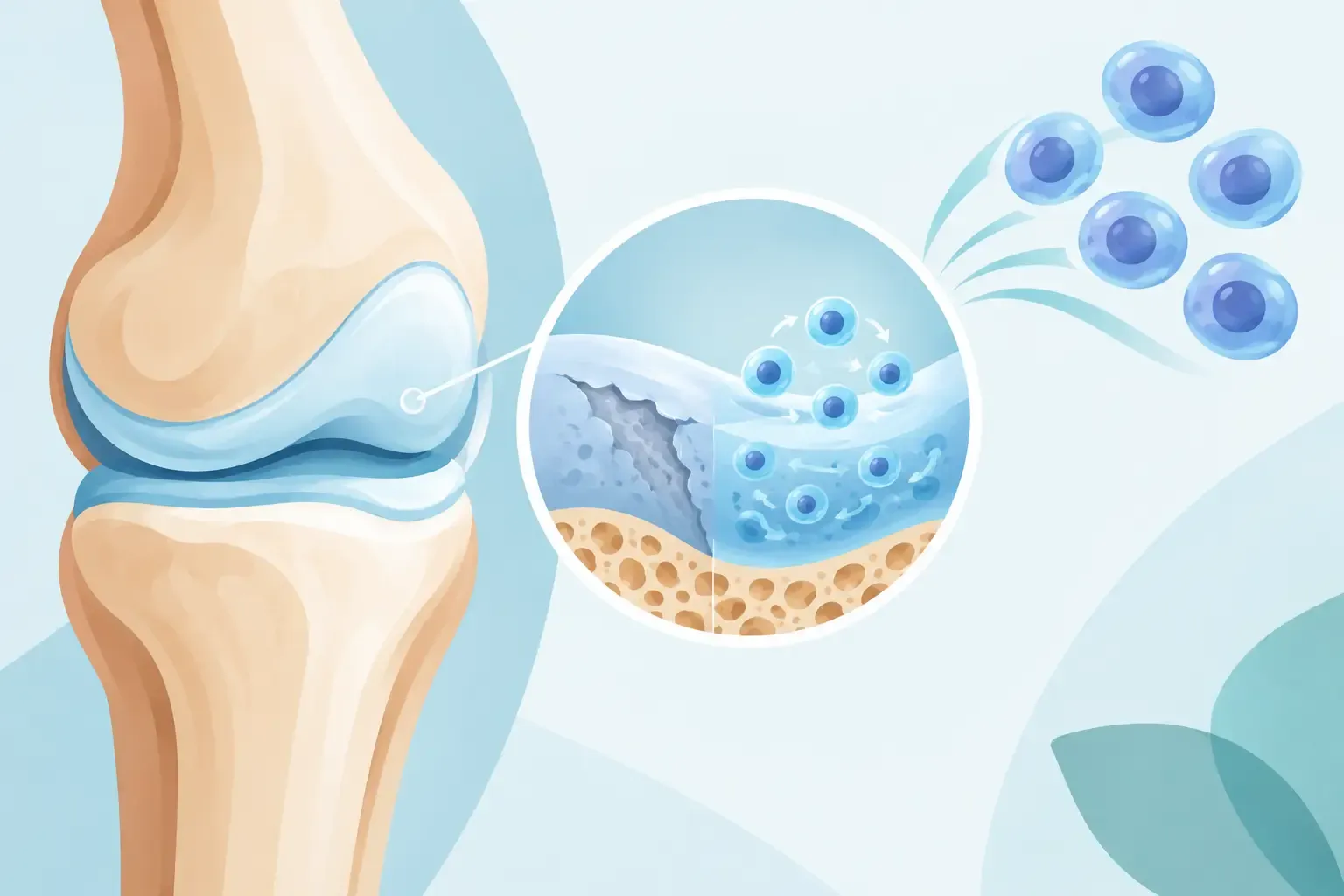
Articular cartilage is the smooth, durable tissue covering the ends of bones inside joints. It allows the knee, hip, shoulder, ankle, and other joints to glide with minimal friction. Its structure is highly specialized: a dense extracellular matrix of collagen and proteoglycans holds water, creating a surface that can absorb repeated force.

The challenge is that healthy articular cartilage has no direct blood supply. Most tissues rely on blood vessels to deliver oxygen, nutrients, and repair cells after an injury. Cartilage receives nutrients largely through diffusion from joint fluid and nearby tissues. It also contains relatively few resident cells, called chondrocytes, and those cells have limited ability to migrate into a major defect.

That is why a superficial cartilage injury may persist long after the original event. Age, repetitive loading, prior surgery, excess joint stress, poor biomechanics, and chronic inflammation can all make the problem harder. In osteoarthritis, cartilage loss is only one part of the picture. The synovial lining, subchondral bone beneath the cartilage, surrounding muscles, and inflammatory signaling within the joint also influence pain and function.

Can cells repair cartilage after injury or arthritis?

Cells can participate in cartilage repair, but the outcome depends on the type, location, and severity of damage. Small focal defects in otherwise healthy joints are different from advanced, widespread osteoarthritis. A younger athlete with a contained cartilage lesion has a different biological starting point than someone with years of joint degeneration, bone changes, and reduced range of motion.

Native chondrocytes maintain cartilage by producing and organizing components of its matrix. When the tissue is injured, they can increase repair activity to a point. Yet mature chondrocytes do not reliably rebuild a thick layer of normal hyaline cartilage after significant damage.

Some surgical procedures intentionally access bone marrow beneath a cartilage defect. This allows marrow-derived cells to enter the area and form repair tissue. That tissue can improve symptoms for certain patients, but it is often fibrocartilage rather than the original hyaline cartilage. Fibrocartilage may not tolerate long-term loading as well, particularly in demanding joints.

Researchers are also studying mesenchymal stem cells, or MSCs, because of their ability to communicate with tissues through signaling molecules. Rather than acting only as replacement parts, MSCs may influence inflammation, immune activity, blood vessel behavior, and the local healing environment. Under appropriate laboratory conditions, they can also demonstrate chondrogenic potential, meaning an ability to develop cartilage-like characteristics.

This is promising biology, but it is not a guarantee of a brand-new joint surface. The quality of the cartilage, the mechanical forces on the joint, the patient’s overall health, and the treatment protocol all affect what is possible.

The cell-to-cell conversation matters

A painful joint is not simply a worn hinge. It is a living system. Inflammatory cytokines can encourage cartilage breakdown, while changes in synovial fluid may reduce lubrication and alter the environment where chondrocytes function. Muscle weakness can shift loading patterns, and poor movement mechanics can repeatedly stress the same damaged area.

Cell-based regenerative strategies are designed to address aspects of this environment. MSCs release signaling factors that may help regulate inflammatory activity and support tissue-repair processes. This paracrine signaling is a major area of research because it suggests therapeutic value may come from how cells communicate, not merely whether they permanently become cartilage.

For patients, that means the meaningful goal is often broader than an image showing more cartilage. A successful care plan may aim to reduce pain, improve mobility, support more comfortable movement, strengthen the muscles that protect the joint, and help a person return to valued daily activities.

What current evidence can and cannot tell us

Clinical research on cellular therapies for cartilage and osteoarthritis is expanding, but results vary. Studies differ in cell source, processing methods, dose, injection technique, disease severity, follow-up time, and accompanying therapies. Some research reports improvements in pain and function for selected patients. However, proving consistent structural cartilage regeneration across diverse patient populations requires larger, well-designed trials and longer follow-up.

This is where cautious optimism is more useful than exaggerated promises. Cellular therapy may be considered as part of an individualized regenerative plan for appropriate candidates, particularly when conventional approaches have not delivered adequate relief and a person wants to explore non-surgical options. It should not be presented as a substitute for sound diagnosis or as a guaranteed cure for advanced joint disease.

Patients should also understand the regulatory and clinical landscape. Not every product marketed as “stem cell therapy” is alike, and the source, handling, sterility testing, physician oversight, and patient selection process matter greatly. A reputable clinical team should explain the proposed treatment clearly, discuss known and unknown risks, review alternatives, and set realistic expectations.

A personalized plan goes beyond an injection

Cartilage does not function in isolation, so a regenerative approach should not treat it in isolation. At BIOREGENIX, individualized care plans may combine advanced cellular therapy with supportive modalities intended to improve the conditions around healing and recovery.

For example, physical rehabilitation and progressive strength training can help improve joint stability and distribute force more effectively. Weight management, when relevant, may reduce mechanical stress on weight-bearing joints. Nutrition, sleep, metabolic health, and smoking status can influence systemic inflammation and tissue recovery. These fundamentals are not less sophisticated because they are familiar – they are part of the biological context in which every therapy must work.

Complementary modalities may also be selected based on clinical needs. Hyperbaric oxygen therapy is used in specific medical contexts to support tissue oxygenation. Red light therapy, pulsed electromagnetic field therapy, and customized IV support may be considered within a broader wellness or recovery strategy. Their role, expected benefit, and evidence base should be discussed individually rather than assumed to be identical for every joint condition.

A quality evaluation begins with the diagnosis. Is the pain actually coming from cartilage, or is it driven by a meniscal tear, tendon disorder, ligament instability, spinal nerve irritation, inflammatory arthritis, or referred pain from another region? Imaging can be valuable, but it should be interpreted alongside a physical examination, symptom history, activity goals, and medical background.

Who may be a candidate for regenerative care?

There is no single ideal candidate. People with persistent knee, shoulder, hip, or ankle pain after an injury may seek a cellular approach to support recovery and preserve activity. Adults with early to moderate degenerative changes may be looking for options before considering surgery. Active adults and grandparents may share the same priority: moving with more confidence and less pain.

At the same time, severe bone-on-bone degeneration, major deformity, mechanical locking, uncontrolled autoimmune disease, active infection, or certain medical conditions may require a different approach. Surgery can be appropriate and life-changing for some people. Regenerative care is not about rejecting conventional medicine. It is about evaluating whether a less invasive, biology-centered option fits the person in front of you.

Questions worth asking before treatment

Ask what is causing the pain, what the treatment is designed to accomplish, and how success will be measured. Request clear information about the cellular product, quality controls, safety screening, expected recovery timeline, possible side effects, and total plan of care. A strong provider will welcome those questions and will not pressure you to pursue a treatment that does not match your condition or goals.

The future of cartilage care will likely be built on better cell science, more precise imaging, improved biomaterials, and protocols tailored to the individual joint. For now, the most empowering next step is a thorough evaluation that respects both the promise of cellular medicine and the unique biology of your body.

What Causes Spinal Stenosis? The Key Drivers

What Causes Spinal Stenosis? The Key Drivers

A person may notice spinal stenosis first as a change in routine: standing in a grocery line becomes painful, a walk requires frequent rests, or tingling travels down one leg. Understanding what causes spinal stenosis can replace uncertainty with a clearer path forward. In most adults, it is not one sudden event. It is the gradual narrowing of the spaces in the spine where the spinal cord and nerves travel.

That narrowing can create pressure on nerve tissue, leading to pain, numbness, weakness, balance changes, or reduced walking tolerance. The underlying cause matters because a narrowing driven by arthritis may be managed differently than one related to a disc herniation, prior surgery, or a naturally small spinal canal.

What Causes Spinal Stenosis in the First Place?

Spinal stenosis means that a passageway within the spine has become too narrow for the nerves it contains. It may affect the central canal, where the spinal cord or nerve bundle passes, or the smaller openings called foramina, where individual nerves exit the spine.

The condition is most common in the lumbar spine, or low back. Lumbar stenosis can cause sciatica-like leg pain, heaviness, numbness, or weakness that worsens with standing and walking. It can also occur in the cervical spine, or neck, where pressure on the spinal cord may affect the hands, arms, balance, and coordination.

A useful way to think about stenosis is as a space problem created by changes in several structures. Discs, joints, ligaments, and bone all share a limited amount of room around sensitive nerve tissue. When one or more of those structures enlarges, shifts, or loses healthy alignment, the available space can shrink.

Age-related disc changes

The discs between spinal bones act as cushions and help preserve the height of the spine. Over time, discs lose water content, elasticity, and height. A flattened disc can reduce the space between vertebrae and narrow the nerve exit openings.

A disc may also bulge outward or herniate through a weakened outer layer. This can take up space in the spinal canal, sometimes abruptly after lifting or twisting, although disc degeneration often develops gradually. Not every bulging disc causes symptoms. Symptoms depend on whether the disc contacts or inflames a nearby nerve and how much reserve space the canal has.

Arthritis and bone spur formation

Osteoarthritis is one of the most frequent contributors to spinal stenosis. As the facet joints in the spine experience years of load and motion, their protective cartilage can wear down. The body may respond by forming extra bone, commonly called bone spurs, around the joints.

These bony changes can extend into the spinal canal or foramina. Facet joint arthritis can also alter spinal mechanics, placing additional stress on discs and ligaments. This is why stenosis often reflects a chain of degenerative changes rather than a single damaged structure.

Thickened ligaments

Ligaments stabilize the spine, but they can become less flexible and thicker with age, chronic inflammation, or repetitive mechanical stress. One ligament in particular, the ligamentum flavum, runs along the inside of the spinal canal. When it thickens or buckles inward, it can reduce the room available for nerves.

This detail helps explain why imaging sometimes shows stenosis even when a disc bulge is small. The combined effect of disc height loss, arthritic joints, and ligament thickening can be substantial.

Other Causes of Spinal Canal Narrowing

Degenerative wear is common, but it is not the only explanation. Some people are born with a smaller-than-average spinal canal. They may have no symptoms for decades, then develop nerve compression when ordinary age-related disc or joint changes occur.

Spinal alignment conditions can also contribute. Spondylolisthesis occurs when one vertebra slips forward relative to the bone below it, narrowing the canal or nerve openings. Scoliosis, an abnormal side-to-side curve, can change how forces move through the spine and contribute to uneven narrowing.

Injury may play a role as well. A fracture, dislocation, or post-traumatic swelling can narrow spinal spaces. Previous spine surgery can occasionally lead to scar tissue or changes at nearby spinal levels. Less common causes include spinal tumors, cysts, certain metabolic bone conditions, and inflammatory diseases. These possibilities are one reason persistent neurological symptoms deserve a proper medical evaluation rather than assumptions based on a scan alone.

Why Symptoms Can Feel Worse Than an MRI Suggests

Imaging is valuable, but it is only part of the clinical picture. Many adults have disc degeneration or mild narrowing on MRI and feel little to no pain. Others have symptoms that significantly limit daily activity despite findings described as moderate.

Nerves respond not only to physical compression but also to inflammation, blood-flow changes, posture, movement, and the duration of irritation. In lumbar stenosis, standing upright may make symptoms worse because it further narrows the canal. Leaning slightly forward, sitting, or pushing a shopping cart may bring relief because those positions can create more space around the nerves.

Cervical stenosis requires especially thoughtful assessment. Pressure on the spinal cord can produce hand clumsiness, trouble with buttons or handwriting, gait instability, weakness, or changes in reflexes. These signs are different from ordinary neck soreness and should not be ignored.

Risk Factors That Can Accelerate Degenerative Changes

Aging is the strongest risk factor, but it does not mean loss of function is inevitable. Genetics influence disc structure, joint anatomy, and inflammatory tendencies. A history of repetitive heavy lifting, high-impact sports, smoking, obesity, sedentary behavior, and poorly managed metabolic health may contribute to faster degenerative change in some people.

At the same time, it is rarely useful to blame one behavior or one past injury. An active person can develop stenosis, and a sedentary person can have minimal narrowing. The goal is to identify the specific structures involved, the nerves affected, and the factors that can still be modified.

When Spinal Stenosis Needs Urgent Attention

New or progressive weakness, loss of hand coordination, major balance changes, numbness in the groin or saddle area, or loss of bladder or bowel control requires immediate medical attention. These symptoms can signal significant nerve or spinal cord compression.

For non-emergency symptoms, an evaluation typically includes a health history, neurological examination, and imaging when appropriate. X-rays can reveal alignment and instability, while MRI often provides a clearer view of discs, nerves, ligaments, and soft tissues. The best next step is based on symptoms and function, not imaging language alone.

A Personalized Approach to Managing Stenosis

Treatment depends on the location and severity of narrowing, whether weakness is present, overall health, and personal goals. Conservative care may include targeted physical therapy, movement modification, anti-inflammatory strategies, weight management when relevant, medication, and image-guided injections. Some patients with significant compression, progressive neurological decline, or persistent disability may need a surgical consultation.

Regenerative medicine may be considered within a broader, individualized plan for selected patients dealing with disc degeneration, joint inflammation, or chronic spine-related pain. It is critical to be precise about its role: cellular therapies do not mechanically widen a severely narrowed spinal canal or replace urgent surgical care when nerve function is at risk. Their potential value is being studied in relation to inflammation, tissue signaling, and the biological environment surrounding degenerative conditions.

At BIOREGENIX, personalized programs may combine physician-guided regenerative strategies with supportive approaches aimed at inflammation management, tissue oxygenation, mobility, and whole-body recovery. A responsible plan begins with diagnosis and candidacy, not a one-size-fits-all promise.

Spinal stenosis may be common, but the experience is deeply individual. If walking, sleeping, working, exercising, or playing with family has become harder, the next meaningful step is to understand what is narrowing the space around your nerves and address it with a care plan built around your function, safety, and long-term quality of life.