


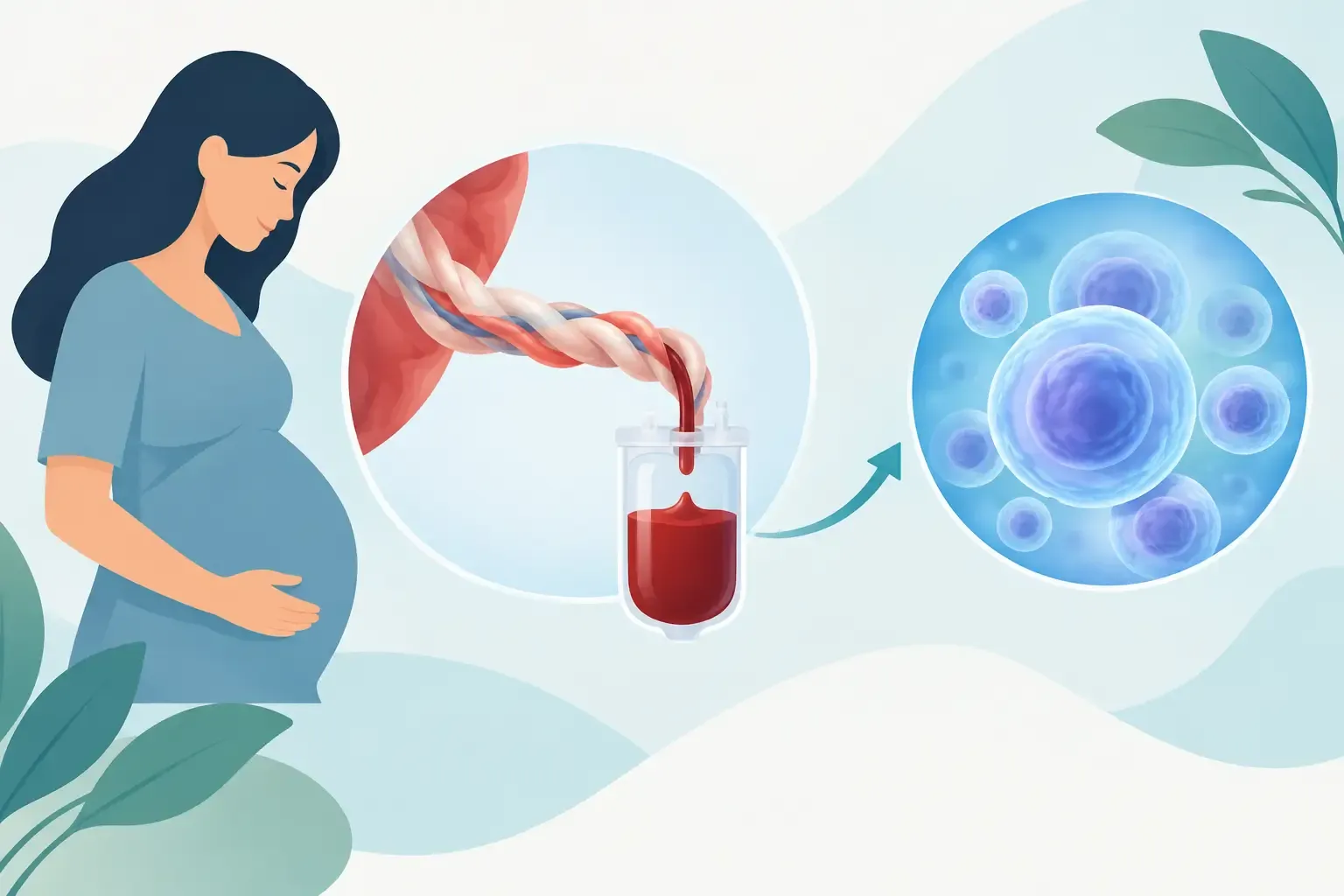
Umbilical Cord Derived Stem Cell Therapy Explained
When knee pain makes stairs feel calculated, a back condition limits time with grandchildren, or an injury refuses to respond to rest and conventional care, the question is rarely just, “What will reduce pain?” It is, “What could help my body function better again?” Umbilical cord derived stem cell therapy is being explored by patients seeking a more advanced, less invasive approach to inflammation, tissue health, mobility, and whole-body recovery.
This therapy is not a one-size-fits-all replacement for surgery, medication, rehabilitation, or medical management. It is a regenerative medicine option that requires careful screening, credible cell sourcing, and a treatment plan built around the individual rather than a diagnosis alone.
What Is Umbilical Cord Derived Stem Cell Therapy?
Umbilical cord derived stem cell therapy uses mesenchymal stem cells, often called MSCs, collected from donated human umbilical cord tissue after healthy, full-term births. The cord is donated voluntarily after delivery, with informed consent. No embryonic tissue is involved, and ethically sourced products are processed under established quality and screening protocols.
MSCs are studied for their ability to communicate with other cells and influence the local environment around damaged or inflamed tissue. Rather than acting like a replacement part that simply becomes new cartilage, disc tissue, or nerve tissue, MSCs are believed to work largely through signaling. They can release bioactive factors that may help regulate inflammation, support cellular repair processes, encourage blood-vessel formation, and influence immune activity.
That distinction matters. Regenerative care is not magic, and outcomes depend on the condition being treated, the severity and duration of tissue damage, a patient’s metabolic health, activity level, and the quality of the clinical protocol. A thoughtful physician-led plan sets realistic goals while looking for opportunities to improve function, comfort, and resilience.
Why Cord-Derived MSCs Are Different
Adult stem cells from bone marrow or adipose tissue are obtained from the patient through an invasive collection procedure. Umbilical cord-derived MSCs come from donated tissue and are considered allogeneic, meaning they come from a donor rather than the patient.
Cord-derived cells may offer practical advantages for an appropriately selected patient. They are young cells, are available without a harvesting procedure, and can be expanded to create a consistent treatment supply. For people already dealing with pain, reduced mobility, or age-related decline, avoiding an additional bone marrow aspiration or liposuction procedure can be meaningful.
Cell quality remains central. The phrase “stem cell therapy” alone says very little about what a patient is receiving. A responsible program should be able to explain the tissue source, donor screening, sterility testing, identity testing, storage, handling, and clinical rationale for the product selected. Cultivation conditions also matter. Low-oxygen expansion methods are designed to more closely reflect the environment cells experience within the body and may help preserve desirable cellular characteristics during manufacturing.
How Cellular Signaling May Support Recovery
Persistent pain and degeneration are rarely isolated problems. An arthritic knee may involve cartilage wear, inflammation in the joint lining, weakness in surrounding muscles, altered movement patterns, and poor sleep caused by discomfort. A disc condition can involve mechanical stress, nerve irritation, inflammation, and loss of conditioning over time.
MSCs are being investigated because of their paracrine effects – the signals they send to nearby cells. In the right clinical context, these signals may help modulate an overactive inflammatory response and support the body’s own repair environment. This is why treatment planning should look beyond a single painful area.
For some patients, a specialist may consider localized delivery for orthopedic concerns alongside intravenous support intended to address systemic inflammation or wellness goals. The appropriate route, dose, timing, and combination of therapies depend on the diagnosis, imaging, medical history, medications, and treatment objectives. More cells or more procedures do not automatically mean a better outcome.
Conditions Patients Commonly Ask About
People most often seek regenerative care after conservative options have delivered incomplete relief or when they want to investigate non-surgical possibilities before considering a more invasive path. Orthopedic concerns may include knee, hip, shoulder, and joint pain; sports injuries; tendon and ligament problems; arthritis; spine pain; and degenerative disc conditions.
Others inquire about chronic inflammatory conditions, autoimmune symptoms, neurological decline, organ-health concerns, sexual health, hormonal changes, and performance or longevity goals. These are very different clinical categories. The evidence supporting cellular therapies is not equally mature across them, and no reputable clinic should imply that one protocol can cure every condition.
A quality consultation should identify what is known, what remains investigational, and where a regenerative approach may complement rather than replace conventional medical care. For example, a patient with severe structural joint damage may still ultimately need surgery. A patient with an autoimmune condition may need ongoing management from their rheumatology team. Individualized medicine means respecting those realities, not ignoring them.
Why an Integrated Plan Can Matter
Cells work within a biological environment. If inflammation remains high, sleep is poor, nutrient status is inadequate, circulation is compromised, or an old injury continues to be overloaded, the body may not have ideal conditions for recovery.
That is why advanced regenerative programs often combine cellular therapy with complementary modalities selected for the patient’s goals. Customized IV therapy may support hydration and nutritional status. Hyperbaric oxygen can increase tissue oxygenation under medical supervision. Red light therapy and pulsed electromagnetic field therapy may be incorporated to support recovery protocols. Hormone evaluation, metabolic support, rehabilitation, and epigenetic testing can also help identify factors influencing energy, inflammation, and long-term performance.
These therapies are not interchangeable, and they should not be stacked merely to make a program sound more advanced. Each element should have a clinical purpose. For an active adult recovering from a tendon injury, the priority may be progressive loading and mobility. For someone managing fatigue, chronic inflammation, and age-related decline, the plan may need to address several systems at once.
Safety, Regulation, and Questions Worth Asking
Patients deserve direct answers about safety and regulatory status. In the United States, most stem cell products marketed for orthopedic, neurologic, autoimmune, or anti-aging use have not been approved by the FDA. Claims of guaranteed regeneration, permanent results, or universal success should be treated with caution.
Potential risks vary by product and delivery method but can include infection, contamination, immune reactions, blood clots, procedural complications, and failure to achieve the hoped-for benefit. A full medical evaluation is essential, particularly for people with active cancer, infection, clotting disorders, complex immune conditions, or significant cardiovascular disease.
Before moving forward, ask the clinical team to explain the following:
- What is the exact source of the cells, and how are donors screened?
- What testing is completed for sterility, identity, viability, and contaminants?
- Why is this route of administration appropriate for my condition?
- What outcomes are realistic, and how will progress be measured?
- Which physicians and specialists will oversee my care before, during, and after treatment?
Clear answers do more than build confidence. They help patients distinguish a medically structured regenerative program from a generic infusion marketed with oversized promises.
Who May Be a Candidate?
The strongest candidates are not defined by age alone. They are people with a clear health objective, a diagnosis that has been properly evaluated, and a willingness to participate in the broader recovery process. Someone with chronic knee pain may be a candidate if imaging, physical examination, medical history, and functional goals support a regenerative plan. Someone seeking longevity support may benefit from a more comprehensive assessment of inflammation, hormones, nutrition, sleep, and physical capacity before any treatment decision is made.
A responsible provider will also identify when a patient is not a candidate or when another intervention should come first. Severe instability, untreated infection, an urgent neurologic deficit, or disease requiring immediate conventional treatment should not be delayed for an elective cellular procedure.
The most valuable question is not whether stem cells are “right” in the abstract. It is whether a specific protocol, with a specific product and medical team, makes sense for your biology, diagnosis, and goals. The right next step is a detailed conversation with qualified regenerative medicine specialists who can help you pursue progress with clarity, safeguards, and a plan built for the life you want to get back to.
“Learn how umbilical cord-derived MSC therapy works, what conditions it may help, and how to find out if you’re a candidate. Expert regenerative care at Bioregenix, Guadalajara.”
“At Bioregenix, our clinic in Guadalajara, México, patients from across North America…”
Reviewed and authored by Dr. Habib Bechelani Kuri, MD — Orthopedics & Regenerative Medicine, Bioregenix