Can Cells Repair Cartilage? What Science Shows
A knee that aches after sitting, a shoulder that catches during a reach, or hips that limit a walk with the grandchildren can all raise the same question: can cells repair cartilage? The honest answer is that cells play a central role in cartilage maintenance and healing, but restoring a damaged joint is more complex than simply adding new cells.
Cartilage is one of the body’s most difficult tissues to repair. Modern regenerative medicine is investigating how targeted cellular strategies, alongside thoughtful rehabilitation and inflammation management, may support the joint environment. For people seeking alternatives to a cycle of pain medication, injections, and escalating loss of mobility, understanding that distinction matters.
Why cartilage is so hard to heal
Articular cartilage is the smooth, durable tissue covering the ends of bones inside joints. It allows the knee, hip, shoulder, ankle, and other joints to glide with minimal friction. Its structure is highly specialized: a dense extracellular matrix of collagen and proteoglycans holds water, creating a surface that can absorb repeated force.
The challenge is that healthy articular cartilage has no direct blood supply. Most tissues rely on blood vessels to deliver oxygen, nutrients, and repair cells after an injury. Cartilage receives nutrients largely through diffusion from joint fluid and nearby tissues. It also contains relatively few resident cells, called chondrocytes, and those cells have limited ability to migrate into a major defect.
That is why a superficial cartilage injury may persist long after the original event. Age, repetitive loading, prior surgery, excess joint stress, poor biomechanics, and chronic inflammation can all make the problem harder. In osteoarthritis, cartilage loss is only one part of the picture. The synovial lining, subchondral bone beneath the cartilage, surrounding muscles, and inflammatory signaling within the joint also influence pain and function.
Can cells repair cartilage after injury or arthritis?
Cells can participate in cartilage repair, but the outcome depends on the type, location, and severity of damage. Small focal defects in otherwise healthy joints are different from advanced, widespread osteoarthritis. A younger athlete with a contained cartilage lesion has a different biological starting point than someone with years of joint degeneration, bone changes, and reduced range of motion.
Native chondrocytes maintain cartilage by producing and organizing components of its matrix. When the tissue is injured, they can increase repair activity to a point. Yet mature chondrocytes do not reliably rebuild a thick layer of normal hyaline cartilage after significant damage.
Some surgical procedures intentionally access bone marrow beneath a cartilage defect. This allows marrow-derived cells to enter the area and form repair tissue. That tissue can improve symptoms for certain patients, but it is often fibrocartilage rather than the original hyaline cartilage. Fibrocartilage may not tolerate long-term loading as well, particularly in demanding joints.
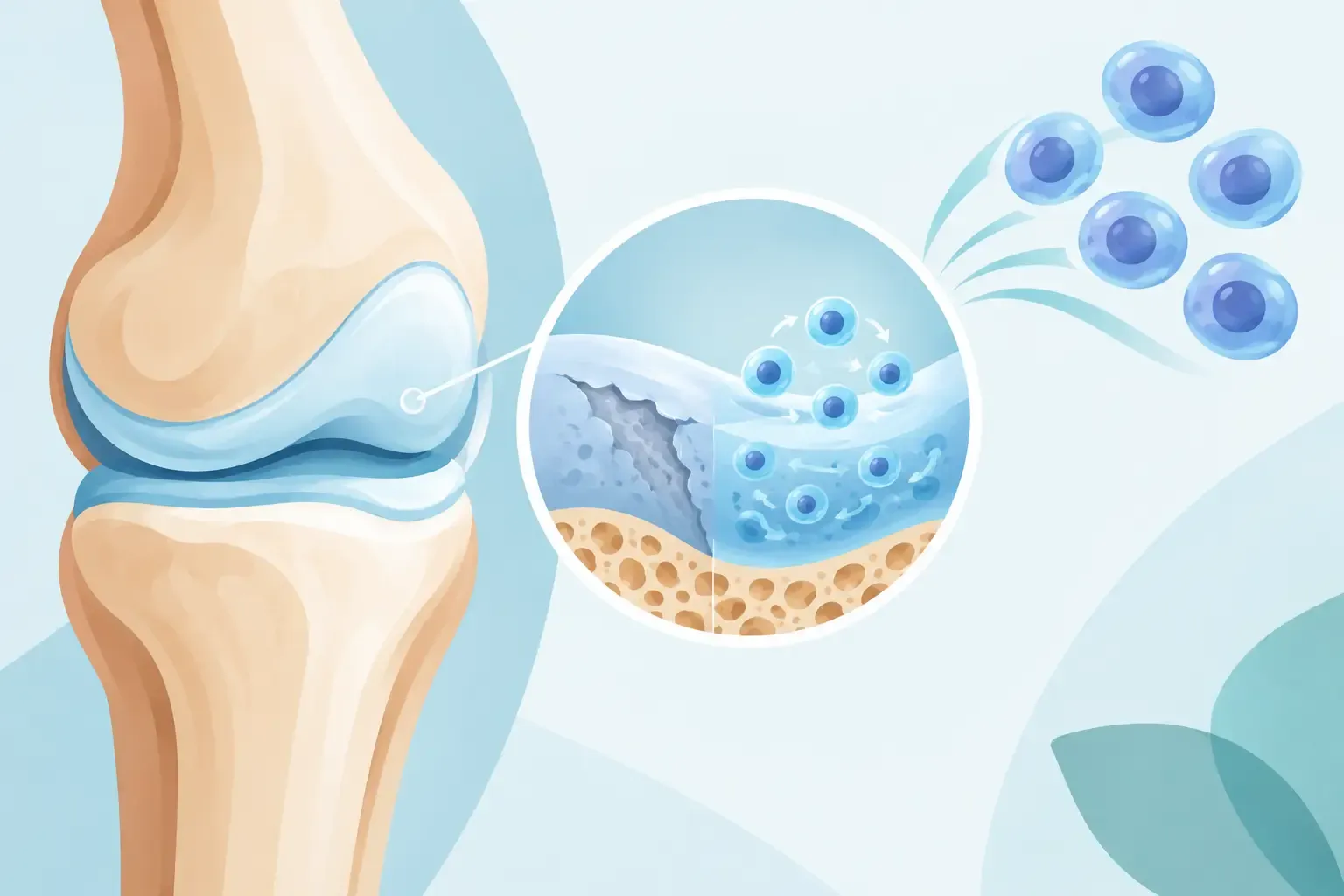
Researchers are also studying mesenchymal stem cells, or MSCs, because of their ability to communicate with tissues through signaling molecules. Rather than acting only as replacement parts, MSCs may influence inflammation, immune activity, blood vessel behavior, and the local healing environment. Under appropriate laboratory conditions, they can also demonstrate chondrogenic potential, meaning an ability to develop cartilage-like characteristics.
This is promising biology, but it is not a guarantee of a brand-new joint surface. The quality of the cartilage, the mechanical forces on the joint, the patient’s overall health, and the treatment protocol all affect what is possible.
The cell-to-cell conversation matters
A painful joint is not simply a worn hinge. It is a living system. Inflammatory cytokines can encourage cartilage breakdown, while changes in synovial fluid may reduce lubrication and alter the environment where chondrocytes function. Muscle weakness can shift loading patterns, and poor movement mechanics can repeatedly stress the same damaged area.
Cell-based regenerative strategies are designed to address aspects of this environment. MSCs release signaling factors that may help regulate inflammatory activity and support tissue-repair processes. This paracrine signaling is a major area of research because it suggests therapeutic value may come from how cells communicate, not merely whether they permanently become cartilage.
For patients, that means the meaningful goal is often broader than an image showing more cartilage. A successful care plan may aim to reduce pain, improve mobility, support more comfortable movement, strengthen the muscles that protect the joint, and help a person return to valued daily activities.
What current evidence can and cannot tell us
Clinical research on cellular therapies for cartilage and osteoarthritis is expanding, but results vary. Studies differ in cell source, processing methods, dose, injection technique, disease severity, follow-up time, and accompanying therapies. Some research reports improvements in pain and function for selected patients. However, proving consistent structural cartilage regeneration across diverse patient populations requires larger, well-designed trials and longer follow-up.
This is where cautious optimism is more useful than exaggerated promises. Cellular therapy may be considered as part of an individualized regenerative plan for appropriate candidates, particularly when conventional approaches have not delivered adequate relief and a person wants to explore non-surgical options. It should not be presented as a substitute for sound diagnosis or as a guaranteed cure for advanced joint disease.
Patients should also understand the regulatory and clinical landscape. Not every product marketed as “stem cell therapy” is alike, and the source, handling, sterility testing, physician oversight, and patient selection process matter greatly. A reputable clinical team should explain the proposed treatment clearly, discuss known and unknown risks, review alternatives, and set realistic expectations.
A personalized plan goes beyond an injection
Cartilage does not function in isolation, so a regenerative approach should not treat it in isolation. At BIOREGENIX, individualized care plans may combine advanced cellular therapy with supportive modalities intended to improve the conditions around healing and recovery.
For example, physical rehabilitation and progressive strength training can help improve joint stability and distribute force more effectively. Weight management, when relevant, may reduce mechanical stress on weight-bearing joints. Nutrition, sleep, metabolic health, and smoking status can influence systemic inflammation and tissue recovery. These fundamentals are not less sophisticated because they are familiar – they are part of the biological context in which every therapy must work.
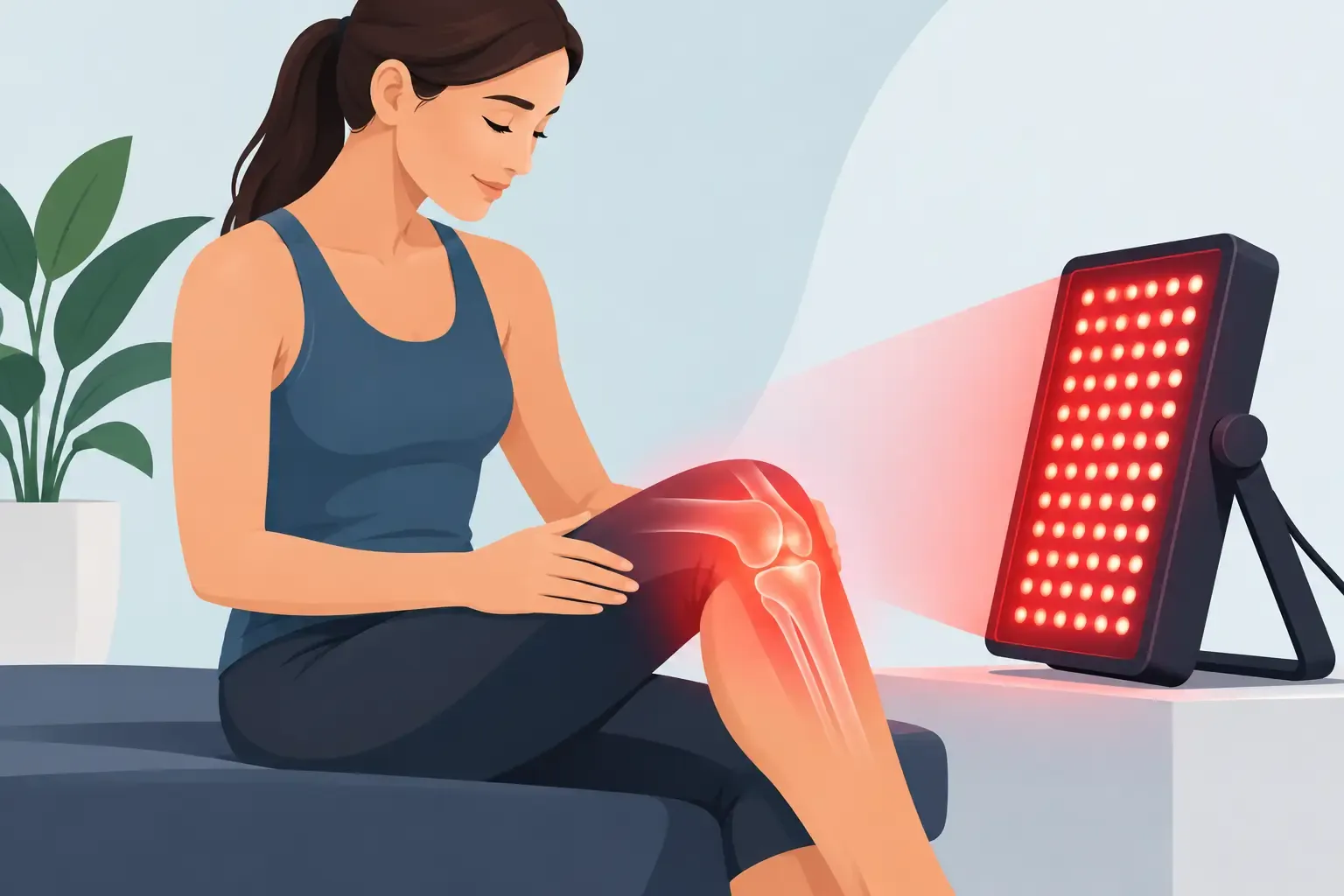
Complementary modalities may also be selected based on clinical needs. Hyperbaric oxygen therapy is used in specific medical contexts to support tissue oxygenation. Red light therapy, pulsed electromagnetic field therapy, and customized IV support may be considered within a broader wellness or recovery strategy. Their role, expected benefit, and evidence base should be discussed individually rather than assumed to be identical for every joint condition.
A quality evaluation begins with the diagnosis. Is the pain actually coming from cartilage, or is it driven by a meniscal tear, tendon disorder, ligament instability, spinal nerve irritation, inflammatory arthritis, or referred pain from another region? Imaging can be valuable, but it should be interpreted alongside a physical examination, symptom history, activity goals, and medical background.
Who may be a candidate for regenerative care?
There is no single ideal candidate. People with persistent knee, shoulder, hip, or ankle pain after an injury may seek a cellular approach to support recovery and preserve activity. Adults with early to moderate degenerative changes may be looking for options before considering surgery. Active adults and grandparents may share the same priority: moving with more confidence and less pain.
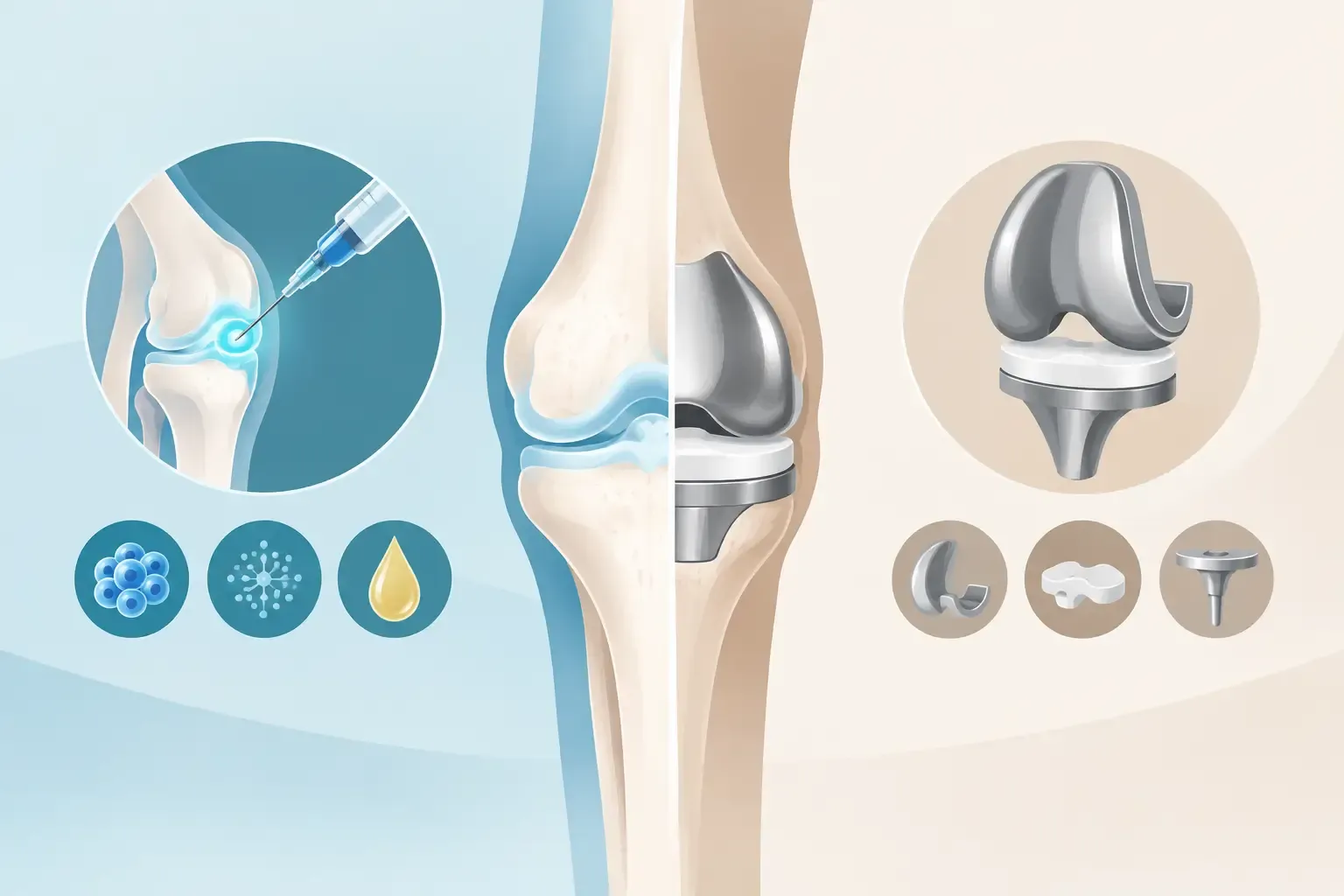
At the same time, severe bone-on-bone degeneration, major deformity, mechanical locking, uncontrolled autoimmune disease, active infection, or certain medical conditions may require a different approach. Surgery can be appropriate and life-changing for some people. Regenerative care is not about rejecting conventional medicine. It is about evaluating whether a less invasive, biology-centered option fits the person in front of you.
Questions worth asking before treatment
Ask what is causing the pain, what the treatment is designed to accomplish, and how success will be measured. Request clear information about the cellular product, quality controls, safety screening, expected recovery timeline, possible side effects, and total plan of care. A strong provider will welcome those questions and will not pressure you to pursue a treatment that does not match your condition or goals.
The future of cartilage care will likely be built on better cell science, more precise imaging, improved biomaterials, and protocols tailored to the individual joint. For now, the most empowering next step is a thorough evaluation that respects both the promise of cellular medicine and the unique biology of your body.