Cell Therapy Alternatives: What May Fit Your Goals
A painful knee that keeps you off the golf course, a back injury that interrupts sleep, or inflammation that seems to outlast every treatment can make the search for answers feel urgent. When researching cell therapy alternatives, the real question is not which option is most talked about. It is which approach best matches your diagnosis, the condition of your tissues, your health history, and the life you want to return to.
Some patients need focused rehabilitation. Others may benefit from an injection-based treatment, surgical repair, or a coordinated regenerative program. The right path depends on whether the goal is pain control, structural correction, tissue healing, improved mobility, or long-term support for a degenerative condition.
Why Patients Look for Cell Therapy Alternatives
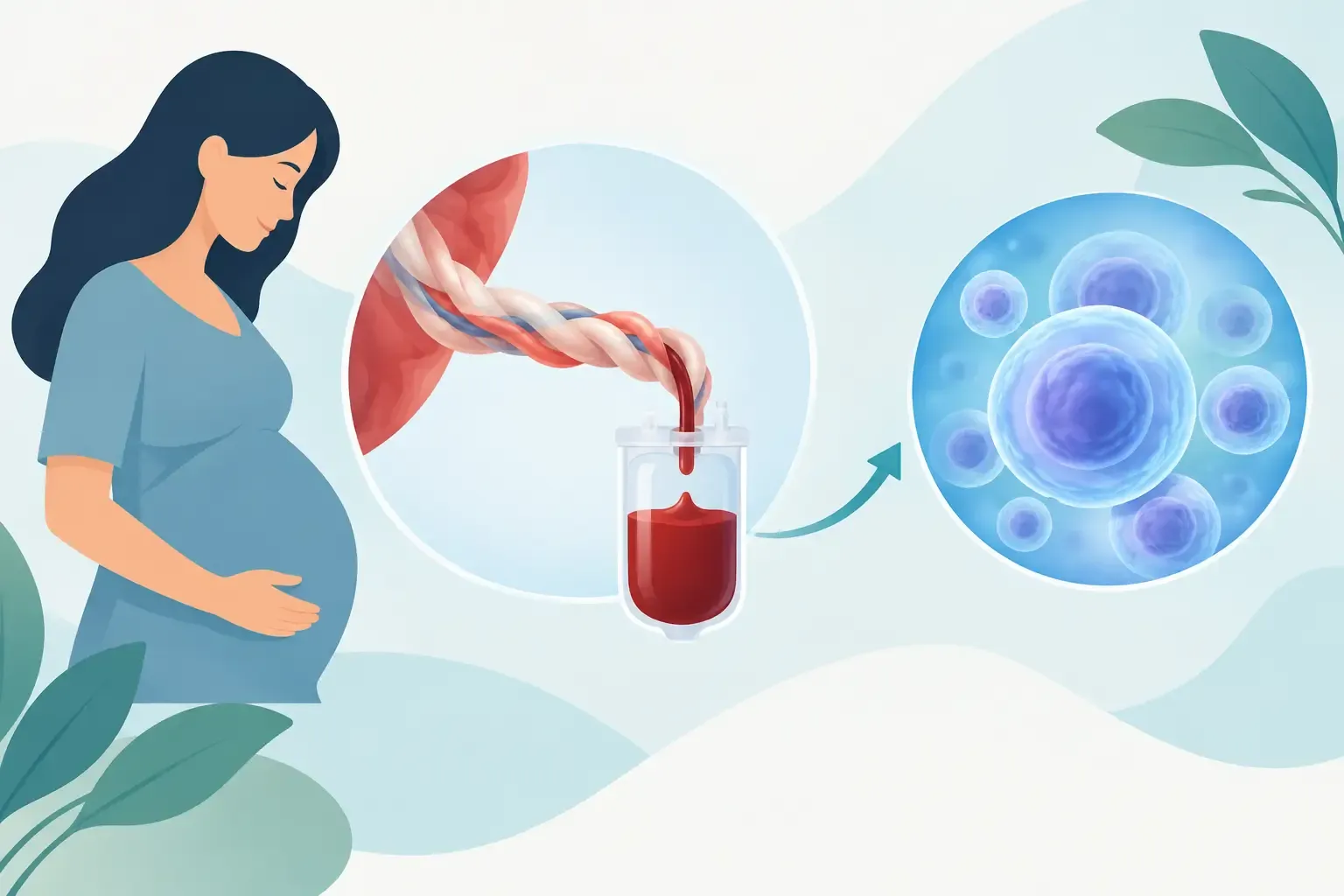
Cell-based therapies have generated interest because mesenchymal stem cells are studied for their signaling activity, immunomodulatory potential, and role in supporting the body’s repair environment. But cellular therapy is not the only non-surgical option, and it is not automatically the first choice for every patient.
People often explore alternatives for practical reasons. They may have a condition better addressed with physical therapy, they may not be a candidate for a procedure, or they may want to begin with a lower-intensity intervention. Cost, travel, recovery time, medical history, and comfort with different treatment approaches also matter.
A thoughtful evaluation should begin with the source of symptoms. Pain is not a diagnosis. A worn joint, tendon degeneration, nerve compression, disc injury, autoimmune inflammation, and poor movement mechanics can all create pain, but they require different strategies. Quality care identifies what is driving the problem before choosing a treatment.
Common Alternatives to Cell Therapy
Physical Therapy and Targeted Rehabilitation
For many orthopedic injuries and chronic pain conditions, skilled physical therapy remains a foundational option. A well-designed program can improve joint stability, restore range of motion, strengthen underperforming muscles, and correct movement patterns that repeatedly overload a vulnerable area.
This is especially relevant for certain shoulder conditions, knee pain, hip instability, and back pain associated with deconditioning. Rehabilitation does require consistency. Progress may be gradual, and therapy cannot fully restore severely damaged cartilage, a complete tendon rupture, or advanced mechanical joint collapse. Still, it often improves function and can be an essential part of nearly any regenerative or surgical care plan.
Platelet-Rich Plasma, or PRP
PRP uses a concentration of platelets from a patient’s own blood. Platelets contain growth factors that may support tissue healing signals, particularly in some tendon, ligament, and mild-to-moderate joint conditions. The treatment is typically delivered by injection, often with imaging guidance.
PRP is not the same as stem cell therapy. Its effect depends on the patient’s own platelet quality, the preparation method, the injured tissue, and the severity of degeneration. It may be considered for conditions such as certain tendinopathies or early osteoarthritis, but outcomes vary. A patient with extensive joint damage may need a broader plan than PRP alone can provide.
Anti-Inflammatory and Pain-Management Care
Medications, anti-inflammatory strategies, epidural injections, and other pain-management interventions can be appropriate when symptoms are limiting daily life. These options may reduce inflammation, calm irritated nerves, or make it possible to participate in rehabilitation.
The trade-off is that symptom relief does not always mean the underlying tissue problem has changed. Repeated corticosteroid injections, for example, may not be ideal for every tissue or every patient. Medication decisions should consider kidney and liver health, blood pressure, gastrointestinal risk, drug interactions, and the cause of pain.
Pain management can be valuable when used as one part of a larger care strategy rather than as a permanent substitute for diagnosis and functional recovery.
Hyaluronic Acid and Other Joint Injections
For some people with knee osteoarthritis, hyaluronic acid injections may be used to support joint lubrication and reduce discomfort. Results are mixed, and benefits may be temporary. The treatment is generally more relevant to joint symptoms than to tendon tears, spinal conditions, or systemic inflammatory issues.
Other injection options may be discussed depending on the diagnosis. What matters is avoiding a one-size-fits-all approach. The best injection is not the newest one or the most aggressive one. It is the one that has a rational role in your specific condition.
Surgery and Orthopedic Repair
Surgery may be the most appropriate choice when there is a complete tear, severe instability, progressive neurologic deficit, fracture, advanced joint destruction, or structural problem that cannot reasonably be corrected with conservative care. In some cases, delaying surgery can allow a repairable injury to worsen.
At the same time, surgery is not the only answer for every degenerative condition. Procedures carry recovery time, anesthesia considerations, infection risk, and the possibility that pain or limited function may persist. A second opinion can be particularly useful when a major procedure is recommended for chronic pain without a clear structural explanation.
Supportive Therapies That Can Strengthen a Care Plan
The discussion should not be limited to choosing between one injection and one operation. Tissue healing is influenced by circulation, inflammation, sleep, nutrition, movement, metabolic health, and the oxygen environment surrounding cells.
Complementary modalities may help support recovery when selected for a clear clinical reason. Hyperbaric oxygen therapy can increase tissue oxygenation under medical supervision. Red light therapy is used in some settings to support cellular energy production and circulation. Pulsed electromagnetic field therapy may be considered as part of a pain and recovery protocol. IV nutrient therapy, when medically appropriate, can address hydration or nutrient needs that affect overall wellness.
These therapies are not replacements for appropriate medical treatment, and they should not be presented as cures. Their value often lies in how they support the broader conditions needed for repair: healthier inflammation balance, ATP production, circulation, recovery capacity, and patient adherence to care.
When Cellular Therapy May Still Be Worth Discussing
Alternatives are not necessarily competing choices. In carefully selected patients, advanced regenerative medicine may complement rehabilitation and supportive therapies rather than replace them.
For example, a patient with chronic knee degeneration may need weight management, strength training, inflammation support, and a treatment designed to promote a healthier tissue environment. Someone recovering from a sports injury may need imaging-guided evaluation, progressive rehabilitation, and a plan that protects the injured structure while healing occurs.
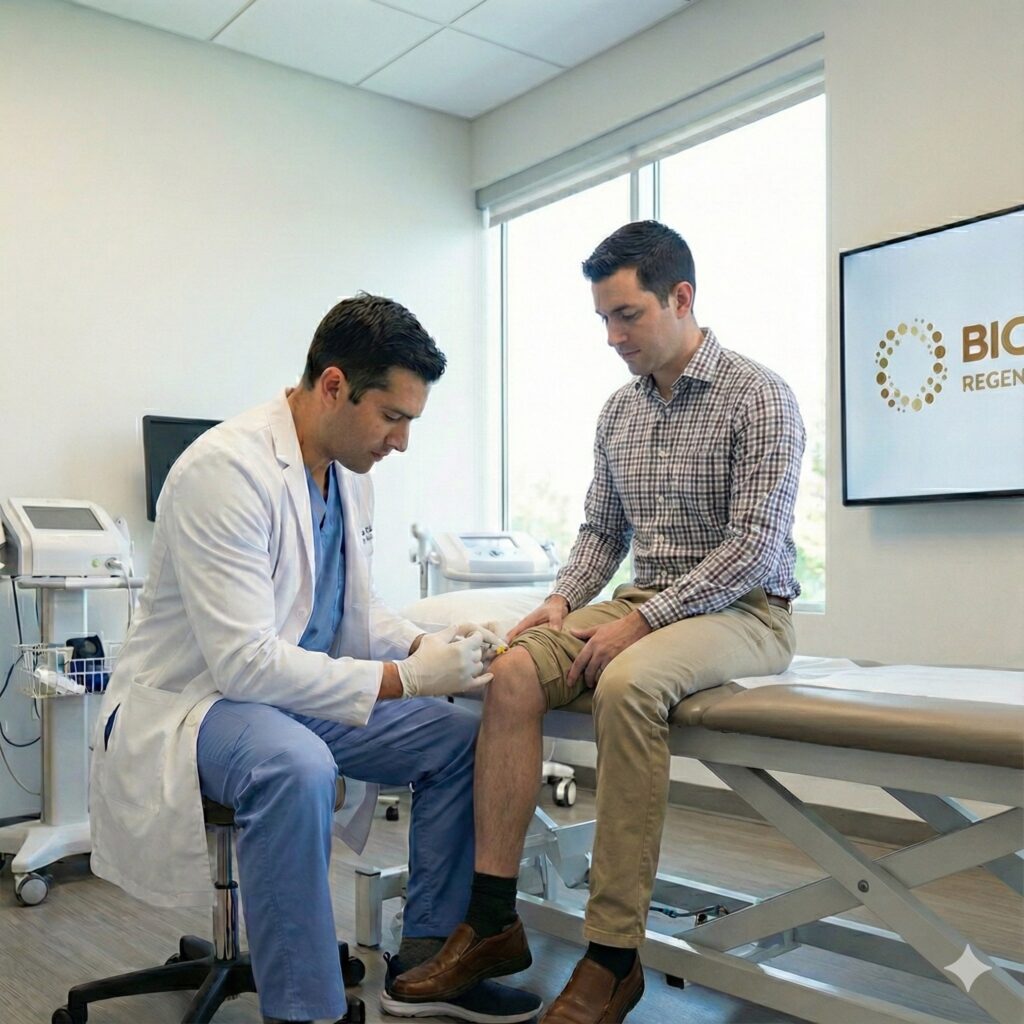
At BIOREGENIX, individualized programs may combine expanded, ethically sourced umbilical cord-derived mesenchymal stem cells with supportive modalities such as hyperbaric oxygen, red light therapy, PEMF therapy, and targeted IV protocols. The rationale is not simply to add more treatments. It is to address the biological conditions that influence cellular repair and recovery.
Cellular therapy should always be discussed with clear expectations. It is not a guaranteed substitute for surgery, and results can vary based on age, diagnosis, disease severity, lifestyle, and overall health. Patients deserve transparency about the source and handling of cells, quality controls, treatment route, potential risks, expected recovery timeline, and the evidence relevant to their condition.
How to Compare Your Options
Before committing to any regenerative, conservative, or surgical plan, ask what objective findings support the recommendation. That may include imaging, physical examination, lab testing, neurologic assessment, or functional movement evaluation.
You should also ask what the treatment is designed to change. Is the goal to reduce pain temporarily, improve mobility, repair a specific structure, reduce inflammatory burden, or slow further decline? A clear answer makes it easier to judge whether the treatment matches your priorities.
Consider the recovery commitment as well. The most advanced therapy cannot overcome repeated overuse, poor sleep, uncontrolled blood sugar, smoking, or refusal to rehabilitate. Lasting improvement often requires active participation, especially when the goal is returning to exercise, travel, work, or time on the floor with grandchildren.
Finally, pay attention to the clinical process. Responsible care includes screening for contraindications, reviewing medications and medical history, setting realistic expectations, and monitoring progress. Be cautious of any provider who promises a universal cure or recommends the same protocol for every patient.
The best next step is often a comprehensive evaluation that treats your symptoms as part of a larger story. When your care plan is built around the actual source of dysfunction, you can make a more confident decision about whether rehabilitation, injections, surgery, cellular therapy, or a combination of approaches gives you the strongest path back to movement and independence.