Author: Dr. Habib Bechelani Kuri

Is Umbilical Cord Stem Cell Therapy FDA Approved?

This is one of the most important questions a patient can ask before pursuing regenerative treatment — and it deserves a direct, unfiltered answer. At Bioregenix, we do not believe in hiding regulatory realities behind marketing language. Patients make significantly better decisions when they have accurate information.

The Direct Answer

No. In the United States, umbilical cord-derived MSC therapy — as marketed for orthopedic, autoimmune, neurological, or anti-aging indications — has not received FDA approval as a finished therapeutic product for most of these uses. A limited number of cord blood-derived products are FDA-approved for specific hematologic malignancies (certain leukemias). These are entirely different products, administered differently, for entirely different clinical purposes than the MSC therapy used in regenerative medicine.

What FDA Approval Actually Means

FDA approval is a rigorous, lengthy, and resource-intensive process designed for products being commercially distributed in the U.S. market. The absence of FDA approval for a therapy does not mean:

✗ The therapy is inherently dangerous

✗ The science does not support it

✗ It cannot be offered in responsible clinical settings globally

✗ It is unavailable to patients who are well-informed and properly screened

What it means is that the formal U.S. commercial approval process has not been completed for these specific products in these indications. MSC therapy exists in what is often called an investigational or emerging category — supported by a growing body of published research, but not yet at the finish line of the U.S. regulatory pathway.

Why Patients Travel to Mexico for MSC Therapy

Mexico has become a significant and medically serious destination for patients seeking advanced regenerative therapies, including a large number from the United States and Canada. This reflects the development of specialized centers with genuine clinical expertise, rigorous protocols, and experienced physicians.

Bioregenix, based in Guadalajara, Jalisco, Mexico, operates under the standards and framework of COFEPRIS (Comision Federal para la Proteccion contra Riesgos Sanitarios), Mexico’s federal health regulatory authority. Our clinic serves both domestic and international patients seeking a medically structured, well-documented regenerative program.

What Responsible Practice Looks Like

A patient evaluating any regenerative medicine clinic should verify the following minimums:

✓ Comprehensive pre-treatment medical evaluation by a licensed physician

✓ Documented cell source with verifiable donor screening and lab credentials

✓ Sterility, viability, and identity testing of every product batch

✓ Full informed consent addressing the investigational status of the therapy

✓ Physician-led protocol tailored to the individual, not a generic infusion menu

✓ Realistic outcome expectations communicated before any commitment

✓ Structured follow-up and outcome monitoring after treatment

Our Position on Regulatory Transparency

We believe the most ethical approach to regenerative medicine is built on clinical rigor, clear communication, and individualized care. That means telling patients honestly that FDA approval does not currently exist for most of these indications — while also explaining the published science, our cell sourcing standards, and the clinical rationale behind every protocol we design.

-> Schedule a consultation at Bioregenix, Guadalajara — ask us anything

Authored by Dr. Habib Bechelani Kuri, MD  |  Regenerative Medicine & Human Optimization  |  Bioregenix, Guadalajara, Jalisco, Mexico

Umbilical Cord Derived Stem Cell Therapy Explained

Umbilical Cord Derived Stem Cell Therapy Explained

When knee pain makes stairs feel calculated, a back condition limits time with grandchildren, or an injury refuses to respond to rest and conventional care, the question is rarely just, “What will reduce pain?” It is, “What could help my body function better again?” Umbilical cord derived stem cell therapy is being explored by patients seeking a more advanced, less invasive approach to inflammation, tissue health, mobility, and whole-body recovery.

This therapy is not a one-size-fits-all replacement for surgery, medication, rehabilitation, or medical management. It is a regenerative medicine option that requires careful screening, credible cell sourcing, and a treatment plan built around the individual rather than a diagnosis alone.

What Is Umbilical Cord Derived Stem Cell Therapy?

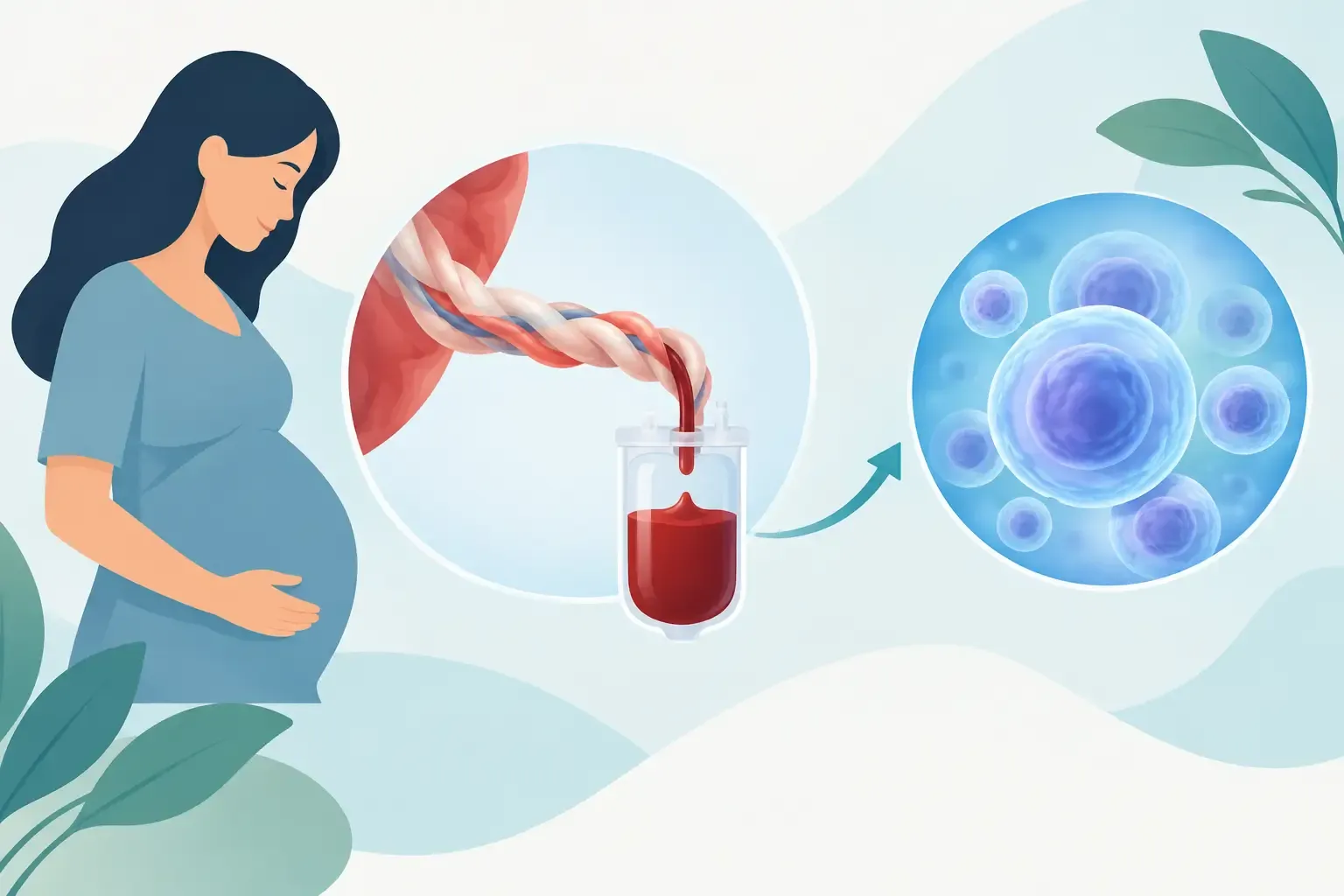
Umbilical cord derived stem cell therapy uses mesenchymal stem cells, often called MSCs, collected from donated human umbilical cord tissue after healthy, full-term births. The cord is donated voluntarily after delivery, with informed consent. No embryonic tissue is involved, and ethically sourced products are processed under established quality and screening protocols.

MSCs are studied for their ability to communicate with other cells and influence the local environment around damaged or inflamed tissue. Rather than acting like a replacement part that simply becomes new cartilage, disc tissue, or nerve tissue, MSCs are believed to work largely through signaling. They can release bioactive factors that may help regulate inflammation, support cellular repair processes, encourage blood-vessel formation, and influence immune activity.

That distinction matters. Regenerative care is not magic, and outcomes depend on the condition being treated, the severity and duration of tissue damage, a patient’s metabolic health, activity level, and the quality of the clinical protocol. A thoughtful physician-led plan sets realistic goals while looking for opportunities to improve function, comfort, and resilience.

Why Cord-Derived MSCs Are Different

Adult stem cells from bone marrow or adipose tissue are obtained from the patient through an invasive collection procedure. Umbilical cord-derived MSCs come from donated tissue and are considered allogeneic, meaning they come from a donor rather than the patient.

Cord-derived cells may offer practical advantages for an appropriately selected patient. They are young cells, are available without a harvesting procedure, and can be expanded to create a consistent treatment supply. For people already dealing with pain, reduced mobility, or age-related decline, avoiding an additional bone marrow aspiration or liposuction procedure can be meaningful.

Cell quality remains central. The phrase “stem cell therapy” alone says very little about what a patient is receiving. A responsible program should be able to explain the tissue source, donor screening, sterility testing, identity testing, storage, handling, and clinical rationale for the product selected. Cultivation conditions also matter. Low-oxygen expansion methods are designed to more closely reflect the environment cells experience within the body and may help preserve desirable cellular characteristics during manufacturing.

How Cellular Signaling May Support Recovery

Persistent pain and degeneration are rarely isolated problems. An arthritic knee may involve cartilage wear, inflammation in the joint lining, weakness in surrounding muscles, altered movement patterns, and poor sleep caused by discomfort. A disc condition can involve mechanical stress, nerve irritation, inflammation, and loss of conditioning over time.

MSCs are being investigated because of their paracrine effects – the signals they send to nearby cells. In the right clinical context, these signals may help modulate an overactive inflammatory response and support the body’s own repair environment. This is why treatment planning should look beyond a single painful area.

For some patients, a specialist may consider localized delivery for orthopedic concerns alongside intravenous support intended to address systemic inflammation or wellness goals. The appropriate route, dose, timing, and combination of therapies depend on the diagnosis, imaging, medical history, medications, and treatment objectives. More cells or more procedures do not automatically mean a better outcome.

Conditions Patients Commonly Ask About

People most often seek regenerative care after conservative options have delivered incomplete relief or when they want to investigate non-surgical possibilities before considering a more invasive path. Orthopedic concerns may include knee, hip, shoulder, and joint pain; sports injuries; tendon and ligament problems; arthritis; spine pain; and degenerative disc conditions.

Others inquire about chronic inflammatory conditions, autoimmune symptoms, neurological decline, organ-health concerns, sexual health, hormonal changes, and performance or longevity goals. These are very different clinical categories. The evidence supporting cellular therapies is not equally mature across them, and no reputable clinic should imply that one protocol can cure every condition.

A quality consultation should identify what is known, what remains investigational, and where a regenerative approach may complement rather than replace conventional medical care. For example, a patient with severe structural joint damage may still ultimately need surgery. A patient with an autoimmune condition may need ongoing management from their rheumatology team. Individualized medicine means respecting those realities, not ignoring them.

Why an Integrated Plan Can Matter

Cells work within a biological environment. If inflammation remains high, sleep is poor, nutrient status is inadequate, circulation is compromised, or an old injury continues to be overloaded, the body may not have ideal conditions for recovery.

That is why advanced regenerative programs often combine cellular therapy with complementary modalities selected for the patient’s goals. Customized IV therapy may support hydration and nutritional status. Hyperbaric oxygen can increase tissue oxygenation under medical supervision. Red light therapy and pulsed electromagnetic field therapy may be incorporated to support recovery protocols. Hormone evaluation, metabolic support, rehabilitation, and epigenetic testing can also help identify factors influencing energy, inflammation, and long-term performance.

These therapies are not interchangeable, and they should not be stacked merely to make a program sound more advanced. Each element should have a clinical purpose. For an active adult recovering from a tendon injury, the priority may be progressive loading and mobility. For someone managing fatigue, chronic inflammation, and age-related decline, the plan may need to address several systems at once.

Safety, Regulation, and Questions Worth Asking

Patients deserve direct answers about safety and regulatory status. In the United States, most stem cell products marketed for orthopedic, neurologic, autoimmune, or anti-aging use have not been approved by the FDA. Claims of guaranteed regeneration, permanent results, or universal success should be treated with caution.

Potential risks vary by product and delivery method but can include infection, contamination, immune reactions, blood clots, procedural complications, and failure to achieve the hoped-for benefit. A full medical evaluation is essential, particularly for people with active cancer, infection, clotting disorders, complex immune conditions, or significant cardiovascular disease.

Before moving forward, ask the clinical team to explain the following:

  • What is the exact source of the cells, and how are donors screened?
  • What testing is completed for sterility, identity, viability, and contaminants?
  • Why is this route of administration appropriate for my condition?
  • What outcomes are realistic, and how will progress be measured?
  • Which physicians and specialists will oversee my care before, during, and after treatment?

Clear answers do more than build confidence. They help patients distinguish a medically structured regenerative program from a generic infusion marketed with oversized promises.

Who May Be a Candidate?

The strongest candidates are not defined by age alone. They are people with a clear health objective, a diagnosis that has been properly evaluated, and a willingness to participate in the broader recovery process. Someone with chronic knee pain may be a candidate if imaging, physical examination, medical history, and functional goals support a regenerative plan. Someone seeking longevity support may benefit from a more comprehensive assessment of inflammation, hormones, nutrition, sleep, and physical capacity before any treatment decision is made.

A responsible provider will also identify when a patient is not a candidate or when another intervention should come first. Severe instability, untreated infection, an urgent neurologic deficit, or disease requiring immediate conventional treatment should not be delayed for an elective cellular procedure.

The most valuable question is not whether stem cells are “right” in the abstract. It is whether a specific protocol, with a specific product and medical team, makes sense for your biology, diagnosis, and goals. The right next step is a detailed conversation with qualified regenerative medicine specialists who can help you pursue progress with clarity, safeguards, and a plan built for the life you want to get back to.

“Learn how umbilical cord-derived MSC therapy works, what conditions it may help, and how to find out if you’re a candidate. Expert regenerative care at Bioregenix, Guadalajara.”

“At Bioregenix, our clinic in Guadalajara, México, patients from across North America…”

Reviewed and authored by Dr. Habib Bechelani Kuri, MD — Orthopedics & Regenerative Medicine, Bioregenix

What Is Umbilical Cord Stem Cell Therapy Used For?

Umbilical cord stem cell therapy is one of the most significant advances in regenerative medicine — and one of the most misunderstood. The question patients ask me most often in consultation is not whether it works in theory. It is: “What exactly can it do for me?” That is exactly the right place to start.

How MSCs Work

Umbilical cord stem cells — properly called mesenchymal stem cells (MSCs) — do not work simply by replacing damaged tissue. Their most important role is cellular communication. Once introduced into the body, MSCs release bioactive signals that may:

  • Reduce chronic and localized inflammation
  • Support tissue repair and cellular regeneration
  • Modulate immune system activity
  • Stimulate the formation of blood vessels in areas with poor circulation
  • Improve the biological environment around damaged or degenerated tissue

This paracrine signaling effect is what makes them relevant across a wide range of conditions — not only musculoskeletal problems.

Conditions Most Commonly Addressed

At Bioregenix, we evaluate every patient individually. Umbilical cord and placenta MSC therapy is most frequently explored for the following:

Orthopedics and the Musculoskeletal System

  • Osteoarthritis of the knee, hip, and shoulder
  • Degenerative disc disease and spine pain
  • Tendon and ligament injuries
  • Sports injuries and post-surgical recovery
  • Joint degeneration in active adults over 40

Chronic Inflammation and Immune Conditions

  • Chronic inflammatory joint conditions
  • Elevated systemic inflammatory burden
  • Tissue damage related to autoimmune disease (as a complement to conventional medical management, not a replacement)

Longevity and Performance Optimization

  • Anti-aging and cellular rejuvenation
  • Metabolic and mitochondrial decline
  • Energy, fatigue, and recovery optimization
  • Cognitive performance support

Hormonal and Systemic Health

  • Hormonal decline in adults over 40 (combined with our hormone optimization protocols)
  • Persistent post-COVID inflammation and recovery
  • General immune system support

What MSC Therapy Is Not

It is important to be direct: stem cell therapy is not a universal solution. It is a powerful biological tool that works best within a structured, individualized clinical plan. A patient with severe joint destruction may still need surgery. A patient with an active infection must address it first. Responsible regenerative medicine means honest conversations — not inflated promises.

The Bioregenix Approach

At Bioregenix, every patient begins with a comprehensive clinical evaluation before any treatment is recommended. We use only umbilical cord and placenta-derived MSCs — never cells from adipose (fat) tissue or bone marrow — because the evidence profile and clinical advantages for our patients are superior.

Our protocols integrate cell therapy with complementary modalities: regenerative IV therapy, hyperbaric oxygen, hormone optimization, and personalized recovery plans. Cells work best in a well-prepared biological environment, and we design for that environment — not just for the infusion.

→ Schedule your evaluation at Bioregenix — Guadalajara, Mexico

Dr. Habib Bechelani Kuri, MD  |  Regenerative Medicine & Human Optimization  |  Bioregenix, Guadalajara, Jalisco, Mexico

Mesenchymal Stem Cell Therapy

Mesenchymal stem cell therapy at Bioregenix

How Does Umbilical Cord MSC Therapy Differ From Bone Marrow Stem Cells?

If you have been researching stem cell therapy, you have probably come across different sources: bone marrow, adipose (fat) tissue, and umbilical cord tissue. Understanding the clinical differences between them is not just academic — it directly determines what you can expect from a treatment.

The Core Difference: Source, Age, and Collection

FeatureBone Marrow MSCsAdipose Tissue MSCsUmbilical Cord MSCs
SourcePatient’s own hip/pelvisPatient’s own fat tissueDonated cord/placenta tissue
TypeAutologousAutologousAllogeneic (donor)
CollectionInvasive bone aspirationMinor liposuction procedureNone — pre-processed
Cellular biological agePatient’s agePatient’s ageNeonatal — biologically young
Cell volumeLimited by yieldModerate yieldHigh density, scalable
ConsistencyVaries by patientVaries by patientStandardized and characterized
Prior quality controlNot possibleNot possibleFull testing before use

Why Cellular Age Matters More Than Most Patients Think

When stem cells are harvested from the bone marrow of a 50-year-old patient, you are working with 50-year-old cells. Their proliferative capacity, signaling potency, and anti-inflammatory output have naturally declined over the decades — the same way every biological system does with age.

Umbilical cord-derived MSCs come from tissue collected after healthy, full-term births. They are among the most biologically vital cells available in clinical medicine. They are young, highly communicative, and expand well under controlled laboratory conditions.

No Harvesting Procedure for the Patient

For patients already dealing with pain, limited mobility, or reduced recovery capacity, this is not a minor practical point. Bone marrow aspiration from the iliac crest is an invasive procedure with its own discomfort, recovery time, and risk profile. With umbilical cord MSCs, the patient experiences only the therapeutic application — no prior harvest, no additional sedation, no separate recovery period.

The Quality Control Advantage

Because cord cells are processed and stored in specialized laboratories, they can be thoroughly tested and characterized before they ever reach the patient. At Bioregenix, our MSC products undergo:

✓ Sterility verification

✓ Viability confirmation (percentage of live cells at the time of administration)

✓ Identity and phenotype testing

✓ Documented donor screening for transmissible diseases and genetic markers

✓ Contaminant screening

Why Bioregenix Uses Only Cord and Placenta MSCs

At Bioregenix, we made a deliberate, non-negotiable clinical decision: we do not use adipose or bone marrow stem cells in our protocols. Our treatment programs are built entirely around umbilical cord and placenta-derived MSCs, sourced from rigorously screened donations and processed under strict quality standards.

This is not a preference — it is our medical standard. For patients who travel to Guadalajara seeking truly advanced regenerative care, we offer the most biologically potent, least procedurally burdensome, and most consistently characterized therapy available in the field.

→ Learn more about the source of our MSCs and our protocols at Bioregenix

Dr. Habib Bechelani Kuri, MD  |  Regenerative Medicine & Human Optimization  |  Bioregenix, Guadalajara, Jalisco, Mexico

Umbilical cord MSC therapy at Bioregenix